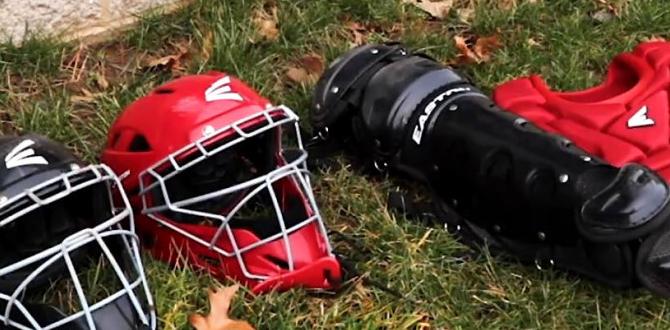
MacGregor catchers leg guards provide crucial protection for young baseball players. They absorb impact, prevent injuries to the knees and shins, and allow catchers to perform their best. Understanding their features helps you choose the right pair.
As a catcher, your legs are on the front lines of defense. Every pitch, every bunt, every foul tip can be a potential impact. That’s why having the right protective gear is super important. MacGregor catchers leg guards are a fantastic choice, especially for players just getting the hang of the game. They’re designed to keep you safe and comfortable behind the plate, so you can focus on blocking pitches and making great plays. We’ll explore why they’re a must-have and what to look for.
Why MacGregor Catchers Leg Guards are a Game Changer
When you’re behind the plate, you’re constantly exposed to fast-moving balls and potential collisions. MacGregor understands this! They’ve been making baseball gear for ages, and their leg guards are built with the catcher’s safety and performance in mind. These aren’t just pieces of plastic; they’re engineered to absorb shock, prevent painful bruises, and help you stay in the game.
Think about it: a high-speed fastball hitting your shin, a foul tip jamming your knee, or sliding into home plate. Without proper protection, these situations can lead to serious injuries that keep you sidelined. MacGregor leg guards act as a vital shield, distributing the force of impact and keeping your legs safe. This confidence in your protection lets you focus on what really matters: catching the ball and helping your team win!
Understanding the Anatomy of MacGregor Catcher’s Leg Guards
MacGregor makes their leg guards with a few key parts that work together to keep you protected. Knowing these parts helps you understand why they’re so effective:
- Outer Shell: This is the tough, outer layer, usually made of durable plastic. It’s designed to deflect the ball and absorb the initial impact.
- Padding: Inside the shell, there’s soft, dense padding. This cushioning is crucial for absorbing shock and preventing direct impact from reaching your shin and knee.
- Straps: Sturdy, adjustable straps keep the guards securely in place. Good straps prevent the guards from shifting, ensuring they always cover the most vulnerable areas.
- Knee Cap Protection: Many MacGregor models have an extra-thick knee cap to provide reinforced protection for this critical joint.
- Inner Lining: A comfortable inner lining helps wick away sweat and provides a snug fit against your leg.
These components work in harmony to create a protective system that’s both effective and comfortable, allowing you to move freely while staying safeguarded.
Choosing the Right MacGregor Leg Guards for You
Not all leg guards are created equal, and the best pair for you depends on a few things. MacGregor offers a range of options, and picking the right one is like choosing the perfect glove – it just feels right!
Factors to Consider:
- Player’s Age and Size: Younger players, especially in youth leagues, will need guards designed for smaller legs. They’re typically lighter and shorter. Older, more experienced players might opt for larger, more robust models.
- Level of Play: While all leg guards offer protection, competitive players might want guards with more advanced features like better ventilation or enhanced impact absorption.
- Comfort and Fit: This is huge! The leg guards should feel secure but not constricting. They should stay put when you move. Try them on if you can – walk around, squat down.
- Durability: You want guards that will last. MacGregor is known for durable gear, but looking at the materials and construction can give you an idea of longevity.
Popular MacGregor Models and Their Features:
MacGregor offers various lines, often catering to different age groups and play styles. While specific model names change, you’ll commonly find ranges like:
Youth Series:
- Designed for players aged 12 and under.
- Lighter weight for easier movement.
- Shorter length to fit smaller legs.
- Focus on basic, solid protection for developing players.
- Often more budget-friendly.
Intermediate/Adult Series:
- For players aged 13 and up, including adult leagues.
- Longer and wider coverage.
- More robust padding for higher impact absorption.
- Potentially features like better ventilation and reinforced knee protection.
- May offer adjustable components for a more customized fit.
When looking at specific models, pay attention to details like the number of straps, the material of the outer shell, and any special padding technologies.
Fit and Adjustment: Getting It Right
Even the best leg guards won’t work well if they don’t fit properly. A good fit means maximum protection and comfort. Here’s how to ensure yours are set up correctly:
Step-by-Step Adjustment Guide:
- Place the Guard: Sit down and place the leg guard on your shin and knee. The knee cap of the guard should align with your kneecap.
- Secure the Top Straps: Fasten the straps that go around your thigh. They should be snug enough to hold the guard up without cutting off circulation. You should be able to slide a finger between the strap and your leg.
- Secure the Middle Straps: Fasten any straps around the calf area. Again, a snug but comfortable fit is key.
- Secure the Bottom Straps: Fasten the straps around your ankle or lower shin. This helps keep the guard from sliding down during play.
- Check for Movement: Stand up and squat down. Move your legs as you would on the field. The guards should stay in place. If they shift significantly, adjust the straps.
- Comfort Check: Make sure there are no pinching points or excessive pressure anywhere. The padding should feel consistent against your leg.
Remember, leg guards often come with adjustable straps to help you fine-tune the fit. Don’t be afraid to adjust them until they feel just right. A slight adjustment can make a big difference in comfort and protection.
The Importance of Catcher’s Gear in Player Development
Proper equipment isn’t just about safety; it’s a critical part of a player’s development. For catchers, the right gear builds confidence. When you know you’re protected, you’re more likely to squat low, block pitches aggressively, and make those crucial plays.
MacGregor catchers leg guards, like other high-quality gear, allow young players to focus on learning the fundamentals of catching without the constant worry of getting hurt. This leads to more practice repetitions, greater skill development, and a stronger understanding of the catcher’s role. For parents and coaches, investing in good gear like MacGregor leg guards is an investment in a player’s potential and their love for the game.
The National Athletic Trainers’ Association (NATA) emphasizes the importance of proper protective equipment in preventing injuries across all sports. For catchers, this includes not only leg guards but also masks, chest protectors, and gloves. Ensuring all pieces of equipment fit correctly and are in good condition is paramount. You can find more resources on youth sports safety at the NATA website.
Maintenance and Care for Your MacGregor Leg Guards
Keeping your MacGregor catchers leg guards in good shape will help them last longer and continue to provide the best protection. It’s not complicated, just requires a little regular attention.
Simple Care Steps:
- Cleaning: After games or practices, especially in warm weather, sweat can build up. Wipe down the outer shell with a damp cloth. For the inner padding, use a mild soap and water solution and a soft brush or cloth. Always ensure they are completely dry before storing.
- Drying: Never machine wash or dry your leg guards. Air dry them thoroughly. Avoid direct sunlight for extended periods, as it can degrade the plastic over time.
- Strap Check: Periodically inspect the straps and buckles. Make sure they are not frayed or damaged. Clean any dirt or debris from the buckle mechanisms.
- Storage: Store your leg guards in a cool, dry place. Avoid cramming them into tight spaces where they could get damaged or deformed. Using a gear bag designed for catchers can help.
Regular cleaning not only keeps your gear fresh but also helps you spot any signs of wear and tear early, allowing for timely repairs or replacements.
MacGregor Leg Guards vs. Other Brands: What’s the Difference?
While many brands offer excellent catcher’s leg guards, MacGregor often stands out for its blend of tradition, quality, and value. Here’s a general comparison:
| Feature | MacGregor | Other Top Brands (General) |
|---|---|---|
| Price Point | Often provides excellent value, making quality gear accessible. | Can range from budget to premium, with some high-end models being quite expensive. |
| Durability | Known for robust construction that holds up well to regular use. | Varies, but top brands generally offer good durability. |
| Comfort & Fit | Designed for a secure, comfortable fit, often with good padding. | Many brands focus on ergonomic designs, advanced padding systems, and high adjustability. |
| Protection Level | Offers solid, reliable protection suitable for most amateur and youth levels. | May offer specialized protection technologies for elite or professional levels. |
| Availability | Widely available through sporting goods stores and online retailers. | Also widely available, with some niche brands having more specialized distribution. |
MacGregor’s strength often lies in providing reliable performance and protection without the premium price tag, making them a favorite for developing players and budget-conscious families. They represent a fantastic starting point for any catcher.
Injury Prevention: Beyond the Leg Guards
While MacGregor catchers leg guards are essential, they are just one part of a comprehensive approach to injury prevention. A catcher’s safety on the field involves many factors:
- Proper Technique: Learning the correct way to block, receive, and field is fundamental. Proper technique reduces unnecessary impact on the body.
- Physical Conditioning: Strong legs, core, and flexibility are vital for a catcher. Conditioning helps the body withstand the demands of the position. Resources from organizations like the USA Baseball Development Program offer great insights into condition training.
- Full Gear Set: Leg guards should be part of a complete catcher’s gear set, including a well-fitting mask, throat protector, chest protector, and glove.
- Rest and Recovery: Adequate rest between practices and games allows the body to recover and reduces the risk of overuse injuries.
- Listening to Your Body: If a player feels pain, they should communicate it. Pushing through significant pain can turn minor issues into major ones.
By combining quality equipment like MacGregor leg guards with solid technique, conditioning, and sensible practices, players can significantly reduce their risk of injury.
Frequently Asked Questions About MacGregor Catcher’s Leg Guards
What size MacGregor leg guards should I get for my child?
For younger players, look for youth-specific models which are shorter and lighter. Generally, measure from the middle of the kneecap down to the top of the shoe or ankle. Compare this measurement to the sizing charts provided by MacGregor or the retailer. It’s always best to try them on if possible.
Are MacGregor leg guards durable enough for competitive play?
Yes, MacGregor makes durable gear. Their intermediate and adult series are designed to withstand the rigors of competitive play at amateur and youth levels. For higher-level adult leagues or professional play, some players might seek specialized gear, but MacGregor is a reliable choice for most.
How do I clean my MacGregor catcher’s leg guards?
Wipe the exterior with a damp cloth. For the interior padding, use a mild soap and water solution with a soft cloth or brush and let them air dry completely. Avoid machine washing or using harsh chemicals.
Can leg guards be too tight?
Yes, leg guards that are too tight can be uncomfortable, restrict movement, and even impede circulation. Ensure the straps are snug but not constricting. You should be able to comfortably slide a finger between the strap and your leg.
How often should I replace my child’s leg guards?
Leg guards typically need replacement when they show significant signs of wear, such as cracks in the plastic, torn padding, or damaged straps. For growing children, they will likely need to be replaced as they outgrow them before they wear out.
What is the advantage of buying MacGregor over other brands?
MacGregor often provides a great balance of quality protection and affordability. They are a trusted brand known for making reliable gear that’s accessible to more players, especially those just starting out or on a budget.
Conclusion
As a catcher, protecting your legs is non-negotiable. MacGregor catchers leg guards offer a strong combination of reliable defense, comfort, and value, making them an excellent choice for players at all stages of their baseball journey. By understanding what makes them effective, choosing the right fit, and taking care of your gear, you’re setting yourself up for a safer, more confident performance behind the plate.
Don’t let fear of injury hold you back from giving your all. With the right equipment, like a solid pair of MacGregor leg guards, you can focus on developing your skills, making those game-saving stops, and truly enjoying every moment of the game. Gear up, play hard, and catch with confidence!