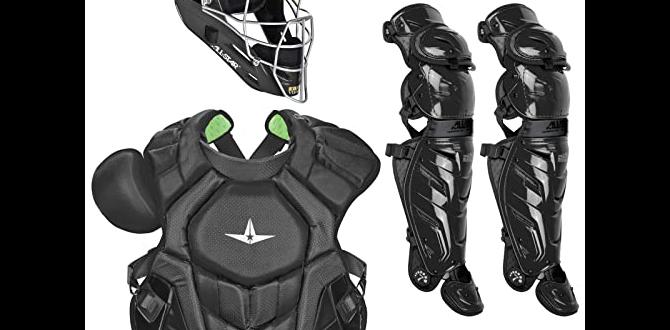
Rawlings youth catcher gear is an essential buy for any young player stepping behind the plate. Investing in the right Rawlings gear ensures safety, comfort, and confidence, allowing aspiring catchers to focus on developing their skills and enjoying the game.
Stepping behind the plate as a catcher is a big deal! It’s one of the most demanding and exciting positions in baseball. But with great responsibility comes the need for great protection and comfort. For young players, finding the right catcher’s gear can feel overwhelming. You want the best for your budding superstar, gear that keeps them safe without hindering their movement.
That’s where Rawlings steps in. They’re a trusted name in baseball, and their youth catcher’s gear is designed with young athletes in mind. This guide will break down exactly what you need to know to make the best choice for your young catcher, ensuring they have a solid foundation for success and fun on the diamond.
Why Rawlings Youth Catcher Gear is a Smart Investment
When your child decides to play catcher, it’s more than just a position; it’s a commitment. They’re on the front lines of every pitch, receiving fastballs, blocking errant sliders, and making crucial plays at home plate. This means their gear isn’t just equipment; it’s their shield. Rawlings understands this critical need and has been a leader in baseball gear for generations. Their commitment to quality means their youth catcher’s sets are built to last, offering superior protection and comfort tailored for younger players.
Choosing Rawlings means you’re opting for:
- Proven Protection: Rawlings uses high-quality materials and designs that have been tested and refined over years of play at all levels.
- Comfort and Fit: Younger players need gear that fits well and doesn’t chafe or restrict movement. Rawlings focuses on adjustable features and ergonomic designs.
- Durability: Youth sports can be tough on gear. Rawlings products are built to withstand the rigors of practices and games, offering great value for your money.
- Brand Trust: Rawlings is a name synonymous with baseball. This trust comes from consistent quality and innovation that helps players perform their best.
Understanding the Components of Youth Catcher’s Gear
A complete catcher’s gear set typically includes three main pieces, all designed to work together to protect the player. For young athletes, ensuring each piece fits correctly and offers adequate protection is paramount. Rawlings offers these components individually or as part of a full set, making it easier to build your child’s protective equipment.
1. The Catcher’s Mask (Hockey-Style vs. Traditional)
The mask is arguably the most crucial piece of catcher’s gear. Its primary job is to protect the face and head from foul balls, errant pitches, and collisions. There are two main styles:
- Hockey-Style Masks: These are popular for youth players due to their robust construction and excellent field of vision. They offer comprehensive protection for the entire face and head, often with a cage that extends to cover the throat. They are generally lighter and easier to put on and take off than traditional masks.
- Traditional Masks: These are the classic cage-style masks. They typically offer good visibility but can sometimes be bulkier. The chin guard offers some additional protection.
What to look for in a Rawlings youth mask:
- Adjustability: Straps should be easy for a young player (or parent) to adjust for a snug, secure fit.
- Padding: Look for plush, moisture-wicking padding inside for comfort and impact absorption.
- Ventilation: Proper airflow helps keep the player cooler, especially during long games or practices.
- Field of Vision: A good mask shouldn’t obstruct the player’s view of the game.
2. The Chest Protector
The chest protector shields the torso from direct impact from pitches and foul balls. Good chest protectors distribute the force of an impact across a larger area, significantly reducing the shock felt by the player.
Key features of Rawlings chest protectors:
- Coverage: It should cover the chest, shoulders, and upper abdomen adequately.
- Adjustable Straps: Crucial for a secure fit that doesn’t shift during play.
- Padding Design: Look for multi-layer padding or articulated designs that allow for flexibility while maximizing protection.
- Breathability: Some chest protectors feature vent channels to help with air circulation.
3. The Leg Guards
Leg guards protect the shins, knees, and feet. Catching involves a lot of squatting, blocking, and quick movements, making this area vulnerable. Well-designed leg guards provide a solid barrier against impacts and abrasions.
When evaluating Rawlings leg guards for youth players, consider:
- Full Shin Coverage: Ensure they extend from just below the knee all the way down to the toe.
- Knee Protection: Look for reinforced knee caps and a design that offers good mobility when squatting.
- Ankle and Instep Protection: Some designs include added padding or guards for the top of the foot.
- Secure Straps: Multiple adjustable straps are essential to keep the guards in place and prevent slipping.
- Venting: Like chest protectors, ventilation can make a big difference in comfort.
Choosing the Right Size for Youth Catcher’s Gear
Proper sizing is non-negotiable when it comes to catcher’s gear. Gear that’s too big can be cumbersome and dangerous, while gear that’s too small won’t offer adequate protection. Rawlings provides sizing charts for their youth gear, but here’s a general guide to help you find the right fit:
How to Measure for Catcher’s Gear:
Measurements are typically taken while the player is wearing their baseball uniform, as this is how they’ll be playing.
- Chest Protector: Measure from the collarbone down to the waist.
- Leg Guards: Measure from the middle of the kneecap down to the ankle bone (or the top of the shoe).
- Mask: While tricky to measure precisely, ensure the mask fits snugly and the jaw guard covers the chin. Many youth masks are designed to fit a range of head sizes.
General Sizing Guidelines (Always refer to Rawlings’ specific charts):
Youth sizes are often categorized by age range or specific height/weight recommendations. For example:
- Youth Sizes (e.g., ages 7-12): These are designed for players typically between 4’0″ and 5’0″ tall.
Tip: If your child is on the cusp between sizes, it’s often better to go with the larger size, provided it can be adjusted to fit securely. An overly restrictive fit can impede performance and comfort.
Rawlings Youth Catcher’s Gear Sets: Convenience and Value
For parents and coaches looking to outfit a young catcher efficiently, Rawlings offers complete catcher’s gear sets. These sets are a fantastic way to ensure all the essential pieces are designed to work together, offering a cohesive fit and consistent level of protection.
A typical Rawlings youth catcher’s set might include:
- A youth catcher’s mask (often hockey-style for this age group)
- A youth chest protector
- Youth leg guards
These sets are often a better value than purchasing each item separately. They are designed for compatibility, meaning the mask’s cage won’t interfere with the chest protector, and the leg guards will fit comfortably when worn with the chest protector.
Popular Rawlings Youth Catcher’s Gear Models/Series:
Rawlings offers several popular lines of youth catcher’s gear. While specific model numbers change year to year, look for series known for durability and protection for young players. The figures below are illustrative and represent typical features you might find.
| Rawlings Youth Series (Example) | Target Age/Size | Key Features | Pros | Cons |
|---|---|---|---|---|
| Rawlings RCFH Series (e.g., RCFH7) | Youth (Approx. 7-12 years old) | Hockey-style mask, comfortable padding, adjustable straps, durable materials. | Excellent all-around protection, easy to use, good value for full sets. | May be outgrown quickly by larger players in the age range. |
| Rawlings Sure-Catch Series | Younger Youth (Approx. 5-9 years old) | Lighter weight, focus on comfort and ease of use, enhanced padding for smaller bodies. | Very comfortable for younger players, promotes confidence, good mobility. | Might not provide enough coverage or durability for older/more aggressive players. |
| Rawlings Renegade Series | Intermediate Youth (Approx. 9-13 years old) | More robust padding, enhanced durability, often available in individual pieces or sets, sleek design. | Offers a step-up in protection and build quality, good longevity. | Can be slightly more expensive than basic sets. |
Essential Tips for Using and Maintaining Catcher’s Gear
Owning quality catcher’s gear is only half the battle. Proper use and maintenance will ensure it performs at its best, lasts longer, and keeps your young catcher safe. Remember, this gear takes a beating, so a little care goes a long way.
Caring for Your Rawlings Catcher’s Gear: A Simple Guide
Here’s how to keep the gear in top shape:
- Cleaning:
- Mask/Helmet: Wipe down the exterior with a damp cloth. For interior padding, use a mild soap and water solution, then wipe with a clean, damp cloth and allow to air dry completely. Avoid harsh chemicals.
- Chest Protector & Leg Guards: These can typically be cleaned with a damp cloth and mild soap. Pay special attention to the adjustable straps and buckles. For stubborn dirt, a soft brush can be used.
- Drying: Always allow gear to air dry completely after each use, especially padding. Clamping it shut or storing damp gear can lead to mildew and odors.
- Storage:
- Store gear in a cool, dry place, away from direct sunlight, which can degrade materials over time.
- Consider a dedicated equipment bag. This helps keep everything organized and protected. Make sure the bag has good ventilation.
- Inspection:
- Regularly check all straps and buckles for wear and tear. Ensure they are still strong and functional.
- Examine padding for rips or excessive compression.
- Inspect cages on masks for any bends or cracks, though this is rare with quality gear.
- Fit Checks: As your child grows, periodically re-check the fit of all gear. Adjust straps as needed. Ill-fitting gear is as dangerous as no gear at all.
Beyond the Basics: Catcher’s Mitt and Accessories
While the mask, chest protector, and leg guards are the core of catcher’s protection, there are a few other key pieces of equipment that are essential for a catcher.
The Catcher’s Mitt: Your Most Important Tool
A catcher’s mitt is different from a fielder’s glove. It’s larger, more heavily padded, and designed to create a big, soft target for pitchers. Rawlings offers a wide range of youth catcher’s mitts designed for developing hands.
What to look for in a youth catcher’s mitt:
- Size: Youth mitts typically range from 29 to 33 inches. Younger players often start with smaller mitts.
- Padding: Adequate padding is crucial for protecting the hand from the sting of fast pitches.
- Break-in: Rawlings mitts, like most leather gloves, require a break-in period. Look for mitts that are advertised as “game-ready” or have materials that facilitate an easier break-in.
- Material: Quality leather is best, but some synthetic materials can offer good durability and a lighter feel for younger players.
For more information on choosing the right mitt, resource like the MLB website can offer general glove insights, though they won’t focus on specific youth catcher’s gear.
Other Essential Catcher’s Gear:
- Catcher’s Helmet/Mask Combo: Many youth masks are integrated with a helmet for even greater protection and a streamlined fit.
- Throat Protector: Often attached to the mask or chest protector, this provides crucial protection to the throat.
- Sliding Shorts/Pants: To prevent chafing and protect the legs during slides or when wearing pads.
- Cup: A protective athletic cup is highly recommended for all catchers.
- Baseball Bat: While not specific to catching, of course, catchers still need a good bat for when they’re batting. Rawlings offers a variety of youth bats suitable for all players.
Why Rawlings Stands Out for Youth Players
Rawlings has a long-standing reputation in baseball for quality and innovation. For youth catcher’s gear, this translates into products that not only protect but also encourage development. Many professional catchers, past and present, have used Rawlings gear, instilling a sense of aspiration in young players.
Furthermore, Rawlings frequently collaborates with players and coaches to refine their designs. This means their youth gear often incorporates:
- Ergonomic Designs: Gear that moves with the player, not against them.
- Lightweight Materials: Reducing fatigue and improving agility.
- Easy Adjustment Systems: Allowing for quick, secure fits.
- Bright, Appealing Colors: Sometimes, gear that looks good can boost a young player’s confidence!
Research from organizations like National Safety Council consistently highlights the importance of proper protective equipment in preventing sports-related injuries, reinforcing the value of investing in reputable brands like Rawlings for your child.
Common Questions About Youth Catcher’s Gear
Q1: What is the most important piece of catcher’s gear for a youth player?
The catcher’s mask or helmet is the most critical piece of gear. It directly protects the player’s face and head from high-speed impacts, significantly reducing the risk of serious injury.
Q2: How often should I replace my child’s catcher’s gear?
Catcher’s gear should be replaced when it shows signs of wear and tear that compromise its protective integrity. This includes cracked padding, broken straps, bent cage bars, or significant material degradation. For growing children, replacement is often due to outgrowing the gear long before it wears out.
Q3: Can I mix and match brands for catcher’s gear?
Yes, you can absolutely mix and match brands. However, it’s important to ensure that the pieces fit together well and don’t interfere with each other. For example, a mask cage shouldn’t hit the chest protector when the player is in a catching stance. Rawlings gear is designed to be compatible with other brands.
Q4: Is it okay for my child to use adult-sized catcher’s gear?
No, it is not recommended for youth players to use adult-sized gear. Gear that is too large will not fit properly, can be heavy and cumbersome, and will not provide adequate protection. Always opt for gear specifically designed for youth sizes.
Q5: How do I break in a new Rawlings youth catcher’s mitt?
To break in a youth catcher’s mitt, you can use baseball glove oil or conditioner, gently flex the mitt, and store it with a baseball in the pocket (perhaps wrapped in a rubber band). Playing catch and receiving pitches is the best way to break it in naturally.
Q6: What is the difference between a traditional mask and a hockey-style mask for catchers?
Hockey-style masks typically enclose the entire head and face with a cage, offering more comprehensive protection and often a better field of vision for youth players. Traditional masks use a cage that attaches to a skull cap and usually includes a separate chin guard.
Q7: Are Rawlings youth catcher’s gear sets worth the investment?
Yes, Rawlings youth catcher’s gear sets are generally an excellent investment. They offer a convenient way to get essential protective equipment that is coordinated for fit and function, often at a better price than buying individual pieces. The quality and durability of Rawlings gear ensure long-lasting protection.</