Under Armour knee savers are a top-rated piece of catcher’s gear that provides essential protection and comfort, helping to reduce impact and prevent injuries during long games and practices.
Under Armour Knee Savers: Essential Top-Rated Gear for Every Catcher

As a catcher, your knees take a beating. Squatting, blocking, and transitioning quickly are all part of the game, but they can lead to soreness and even serious injuries. It’s frustrating to feel that deep ache after a game, or worse, to have your performance limited by knee pain.
The good news is that investing in the right gear, like Under Armour knee savers, can make a huge difference. These aren’t just fancy pads; they’re crucial for protecting your joints. In this guide, we’ll dive into why Under Armour knee savers are essential and how they can help you play better and stay healthier.
Why Every Catcher Needs Knee Protection
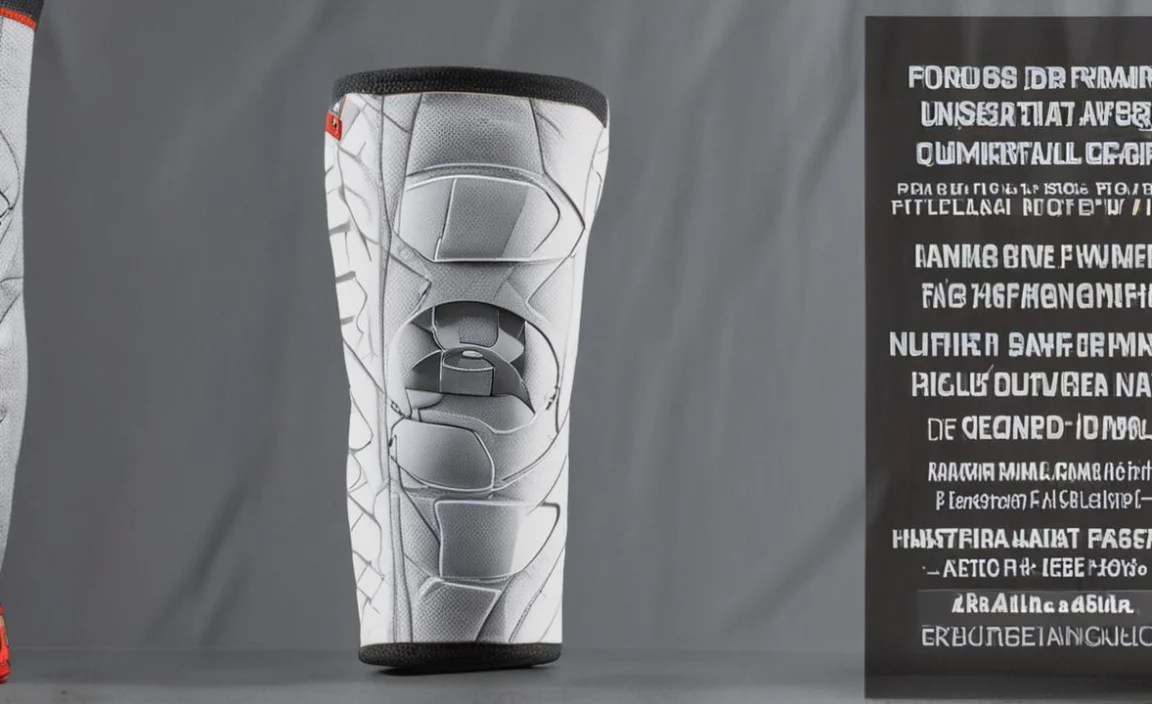
The catcher position is arguably the most physically demanding in baseball. You’re constantly in a crouched position, which puts significant pressure on your knees. Beyond just discomfort, this sustained pressure can lead to:
- Patellofemoral Pain Syndrome: Often called “runner’s knee,” this is pain around the kneecap.
- Meniscus Tears: Damage to the cartilage that cushions your knee joint.
- Tendinitis: Inflammation of the tendons around the knee.
- Bruising and Abrasions: From direct impact with the ground or other players.
While proper technique and conditioning are vital, advanced protective gear like knee savers offers an extra layer of defense. They act as a shock absorber, distributing impact forces and reducing the strain on your knee joints.
Understanding Under Armour Knee Savers

Under Armour has established itself as a leader in athletic performance gear, and their knee savers are no exception. Designed with the catcher’s specific needs in mind, these pads aim to provide superior protection, comfort, and mobility.
What makes them stand out? Usually, they feature:
- Advanced Padding: High-density foam or specialized gel inserts to absorb shock.
- Ergonomic Design: Shaped to fit the natural curve of the knee and leg, allowing for full range of motion.
- Durable Materials: Built to withstand the rigors of the game, including abrasion-resistant outer layers.
- Breathable Construction: Designed to keep your legs cool and dry, even during intense play.
- Secure Fit: Adjustable straps or compression sleeves to ensure they stay in place.
Key Features to Look For
When choosing Under Armour knee savers, consider these features:
- Protection Level: Are they designed for basic impact or more extreme protection?
- Comfort and Fit: Do they feel comfortable when you’re in a deep squat? Do they stay put?
- Mobility: Will they restrict your movement when you need to block a pitch or throw?
- Durability: Will they hold up season after season?
- Ease of Cleaning: Can they be easily wiped down or washed?
The Benefits of Using Under Armour Knee Savers

The advantages of incorporating Under Armour knee savers into your gear are significant:
- Reduced Knee Pain and Soreness: The primary benefit is the mitigation of impact forces, leading to less post-game pain.
- Injury Prevention: By absorbing shock, they help prevent common catcher injuries.
- Improved Performance: When you’re not bothered by knee pain, you can focus more on your game – receiving, blocking, and throwing.
- Enhanced Comfort: The cushioning and support make long innings and practices much more bearable.
- Increased Confidence: Knowing you have reliable protection can boost your confidence in blocking pitches and playing aggressively.
Impact Absorption Explained
Think of knee savers as mini-shock absorbers for your joints. When you land after blocking a ball, or even from the constant pressure of a squat, your knees endure significant force. High-quality padding in Under Armour knee savers is designed to:
- Absorb the Initial Impact: The material compresses, taking the brunt of the force away from your bones and joints.
- Distribute Pressure: The padding spreads the impact over a larger area of your knee, preventing localized stress.
- Cushion Against the Ground: They provide a softer landing surface, especially on harder fields.
Top-Rated Under Armour Knee Savers Models
While specific models can vary by season and availability, Under Armour consistently produces high-quality catcher’s gear. Here’s a look at features you’ll often find in their top-rated knee saver products:
| Feature | Description | Benefit for Catchers |
|---|---|---|
| Impact Protection Foam | Dense, shock-absorbing materials that cushion direct hits and sustained pressure. | Significantly reduces knee strain and the risk of impact-related injuries. |
| Ergonomic Design | Contoured shape that follows the natural lines of the knee and surrounding muscles. | Ensures a comfortable fit and allows for a full range of motion when squatting or moving. |
| Abrasion-Resistant Outer Shell | Tough fabric that can withstand scuffs and scrapes from field surfaces or equipment. | Increases the lifespan of the knee savers, keeping them effective for longer. |
| Moisture-Wicking Liner | Internal fabric that pulls sweat away from the skin. | Helps keep catchers cool and dry, preventing discomfort and skin irritation. |
| Secure Fastening System | Adjustable straps (Velcro or buckle) and/or elastic bands for a snug, reliable fit. | Prevents the knee savers from slipping or shifting during dynamic movements, ensuring consistent protection. |
When browsing for your next pair, look for models that emphasize these protective and comfort-enhancing qualities. Reading reviews from other catchers can also provide valuable insights into real-world performance.
How to Properly Wear Your Knee Savers
Wearing knee savers correctly ensures you get the maximum benefit and comfort. It’s a simple process, but taking a moment to get it right matters:
- Positioning: Place the knee saver directly over your kneecap. The main padded area should cover your patella.
- Adjust the Straps: Most knee savers have adjustable straps. Tighten them enough so the pad stays securely in place without being so tight that it cuts off circulation or causes discomfort. You should be able to slide a finger underneath the strap.
- Check for Slippage: Do a few practice squats and lunges. The knee savers should remain in position without sliding down your leg.
- Comfort Check: Ensure there are no pinching points or excessive pressure anywhere. The goal is comfort and secure fit.
- Layering (Optional): Some players prefer to wear thin compression sleeves underneath their knee savers for added warmth or sweat management.
Remember, knee savers are designed to work with your leg guards, not replace them. They are primarily for the impact absorption when you’re in your primary catching stance or blocking pitches.
Alternatives and Complementary Gear
While Under Armour knee savers are a fantastic option, it’s worth knowing about other gear that can help protect your knees and enhance your catching performance.
Other Brands and Types of Knee Protection:
- Schutt, Wilson, All-Star: These brands also offer a wide range of catcher-specific knee pads and leg guards with varying levels of padding and features.
- Compression Knee Sleeves: While not offering impact absorption, these provide warmth, support, and can help improve circulation, potentially reducing muscle soreness. Brands like Bauerfeind and McDavid are well-regarded.
- Knee Pads for General Sports: Some baseball-specific knee pads or even general sports knee pads might offer some cushioning. However, catcher-specific ones are usually designed for the unique demands of the position.
Complementary Gear for Catchers:
- Catcher’s Mitt: A well-padded, broken-in mitt is crucial for softening pitches before they even reach your hand, reducing overall impact.
- Leg Guards: These protect the shin, knee, and thigh from foul tips and collisions.
- Chest Protector: Protects the torso from pitched balls and batted balls.
- Helmets and Masks: Essential for head and face protection.
- Proper Footwear: Good cleats provide stability and traction, which indirectly helps with balance and can reduce strain on your knees.
For a deeper dive into the intricacies of a catcher’s protective equipment and how it all works together, you can consult resources from organizations like Major League Baseball’s glossary on catcher’s gear, which often details the purpose of each piece.
Training and Conditioning for Catcher Knees
Gear is only one part of the equation. Strengthening your legs and improving flexibility is crucial for long-term knee health.
Essential Exercises for Catchers:
- Squats (Bodyweight, Goblet, Back): Build overall leg strength. Focus on proper depth and form.
- Lunges (Forward, Reverse, Lateral): Improve balance and strengthen individual legs, mimicking field movements.
- Glute Bridges: Strengthen the gluteal muscles, which are key for hip stability and can take pressure off the knees.
- Calf Raises: Improve lower leg strength and ankle stability.
- Hamstring Curls: Balance quad strength with hamstring strength.
- Plank Variations: A strong core helps with overall stability, reducing stress on all joints, including the knees.
Flexibility and Mobility Routines:
Improving your range of motion can help you get into better positions, reducing strain.
- Quad Stretches: Hold your heel towards your glute to stretch the front of your thigh.
- Hamstring Stretches: Reach for your toes with straight legs.
- Hip Flexor Stretches: Crucial for catchers who spend a lot of time in a deep squat.
- Foam Rolling: Target your quads, hamstrings, calves, and IT band to release muscle tension.
Consistency is key. Aim to incorporate these exercises and stretches into your regular training regimen. Resources like those from the National Public Radio (NPR) on knee-friendly exercises can offer further guidance on proper execution.
Frequently Asked Questions About Catcher Knee Savers
Q1: Do I really need knee savers if I already have leg guards?
A: Yes, absolutely! Leg guards protect your lower leg, shin, and knee from direct impact of foul tips or collisions. Knee savers focus specifically on absorbing the shock of your own body weight in a deep squat or when blocking. They work together to provide comprehensive protection.
Q2: How often should I replace my knee savers?
A: This depends on how much you play and the quality of the knee savers. Look for signs of wear and tear: flattening of the padding, torn fabric, or straps that no longer hold securely. Typically, they might need replacing every 1-3 seasons for frequent players.
Q3: Can I wear my knee savers during drills that involve running?
A: While you can, it’s generally not recommended. Knee savers can be bulky and might hinder your stride or cause chafing during running. They are best used for activities where you’re frequently squatting or blocking, like receiving drills or game play.
Q4: Are Under Armour knee savers worth the price?
A: For many players, yes. Under Armour is known for quality and performance. The advanced padding and durable construction often justify the cost by offering superior protection, comfort, and longevity compared to cheaper alternatives. Investing in your body’s health is always a good decision.
Q5: What is the difference between catcher knee savers and general sports knee pads?
A: Catcher knee savers are specifically engineered for the unique demands of the catcher position – deep squatting, repeated impact absorption, and mobility. General sports knee pads might offer basic cushioning but often lack the specialized design and durability needed for catching.
Q6: My knee savers feel a bit tight, what should I do?
A: Ensure the straps are adjusted correctly – not too tight, not too loose. If they still feel constricting, try wearing a thin pair of compression sleeves underneath. If a model consistently feels uncomfortable after proper adjustment, it might not be the best fit for your leg shape, and you may need to explore other options.
Conclusion: Protect Your Most Valuable Assets
As a catcher, your knees are central to your ability to perform at your best and stay on the field. Investing in quality protective gear like Under Armour knee savers is not just about comfort; it’s about safeguarding your long-term health and performance. By understanding why they are essential, what features to look for, and how to use them correctly, you’re taking a proactive step towards a healthier, more successful baseball career.
Pairing these knee savers with a solid training and conditioning program will create a formidable defense against the aches and pains of catching. Remember to always prioritize proper technique, listen to your body, and ensure your gear is in top condition. Play hard, play smart, and most importantly, play healthy. Your knees will thank you for it season after season.
