Choosing the right Under Armour catchers shin guards is crucial for comfort and protection on the field. This guide breaks down key features and models, helping beginners and intermediate players find the perfect fit for their game.
Hey everyone, John P. Miller here from FriskMode! Stepping into the catcher’s box is a big deal. You’re the field general, calling the shots and getting after every pitch. But let’s be honest, taking those foul tips and dirt dives can sting. That’s where good shin guards come in. They’re your first line of defense against bumps and bruises, keeping you in the game longer.
If you’ve ever felt unsure about which pair to pick, especially when looking at brands like Under Armour, you’re in the right spot. We’re going to break down exactly what makes a great pair of shin guards and help you find the Under Armour model that fits you best. Let’s get your legs protected so you can focus on making those game-changing plays!
Why Shin Guards Are Non-Negotiable for Catchers

As a catcher, your legs are constantly exposed to the rigors of the game. From foul balls zipping your way to awkward slides and dives, the potential for injury is high. Shin guards aren’t just about comfort; they are a critical piece of safety equipment. They absorb impact, prevent scrapes and bruises, and can even help reduce the risk of more serious injuries like fractures. Think of them as your trusty armor, allowing you to squat confidently and block pitches without second-guessing the pain. For any catcher, especially those just starting out, understanding the importance of durable and well-fitting shin guards is the first step to building a solid foundation behind the plate.
Understanding the Key Features of Under Armour Catchers Shin Guards

When you’re looking at Under Armour shin guards, you’ll notice a few key things that set them apart. These aren’t just simple plastic guards; Under Armour puts a lot of thought into performance and protection. Here’s a breakdown of what to look for:
Protection and Padding
This is the big one! Good shin guards need ample padding to absorb impact. Look for shin guards with:
- High-density foam: This is your primary shock absorber. It’s designed to soften the blow from balls and bats.
- Strategic padding placement: The best guards have extra padding in high-impact zones, like directly over the shin bone and around the knee.
- Hard outer shell: A sturdy outer shell, usually made of durable plastic, deflects direct impacts and prevents penetration.
Fit and Comfort
Even the most protective shin guards are useless if they’re uncomfortable or don’t stay in place. Under Armour focuses on:
- Adjustable straps: Most guards come with multiple straps, often Velcro, allowing you to customize the tightness. Look for straps that are wide and secure.
- Ergonomic design: Guards should contour to the shape of your leg, providing a snug fit without restricting movement.
- Breathability: Some models incorporate ventilation systems or moisture-wicking liners to keep your legs cooler and drier during intense games.
Mobility and Flexibility
As a catcher, you need to move! Your shin guards shouldn’t hinder your ability to squat, pivot, or block. High-quality guards are designed with:
- Articulated knee caps: This allows for better bending and movement at the knee joint.
- Segmented designs: Pieces of the guard that move independently can improve flexibility.
- Lightweight materials: While protection is key, overly heavy guards can be cumbersome.
Durability
Baseball gear takes a beating. You want shin guards that will last through multiple seasons. Under Armour generally uses robust materials, but it’s still worth considering:
- Reinforced stitching
- Impact-resistant plastics
- Quality strap materials
Comparing Popular Under Armour Catcher Shin Guard Models

Under Armour offers a range of shin guards, often varying in price, protection level, and features. While specific model names can change from year to year, here’s a look at the types of shin guards you’re likely to find and how they stack up. We’ll use general categories to help you understand the landscape.
Entry-Level / Youth Models
These are typically designed for younger players or those on a tighter budget. They offer solid basic protection without all the bells and whistles of high-end models.
- Focus: Basic protection, ease of use, comfort for younger players.
- Features: Generally lighter, simpler strap systems, good coverage for the shin.
- Ideal for: Youth league players, beginners, casual players.
Mid-Range Models
This is often the sweet spot for many players. They offer a good balance of advanced protection, comfort, and mobility. You’ll usually see more articulated designs and better padding here.
- Focus: Enhanced protection, improved fit, increased mobility.
- Features: More advanced padding systems, often include knee caps, multiple adjustable straps, better ventilation.
- Ideal for: Intermediate players, serious youth players, high school athletes.
Pro-Level / High-Performance Models
These are built for the most demanding players who need maximum protection and the most advanced features. They often incorporate technologies found in professional gear.
- Focus: Maximum protection, superior comfort, enhanced performance features.
- Features: Superior impact absorption technologies, advanced ergonomic designs, lightweight yet extremely durable materials, often have superior moisture-wicking and ventilation.
- Ideal for: Advanced players, college athletes, players seeking the best protection available.
A Closer Look: Sample Comparison Table
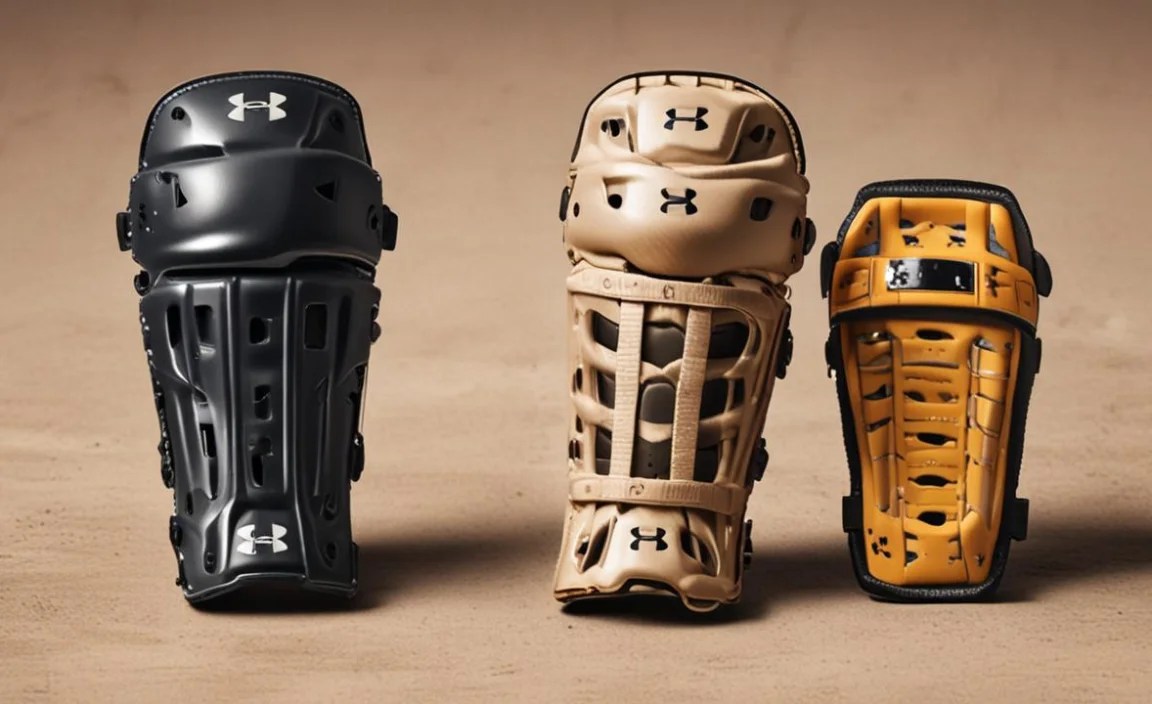
To give you a more concrete idea, let’s imagine a comparison of two hypothetical Under Armour shin guard models. Keep in mind that specific features can vary with each product generation.
| Feature | UA Elite Guard Pro | UA Youth Power Guard |
|---|---|---|
| Target User | Advanced/Professional | Youth/Beginner |
| Protection Level | Maximum (High-density foam, reinforced shell) | Good (Standard foam, durable plastic) |
| Knee Cap Design | Articulated, removable | Integrated, basic |
| Strap System | 3-point adjustable, wide Velcro | 2-point adjustable, standard Velcro |
| Weight | Light-Medium | Light |
| Breathability | Vented throughout | Basic ventilation |
| Price Range (Approx.) | $$$ | $ |
| Mobility | Excellent | Good |
Choosing the Right Size and Fit

Getting the right size and fit is arguably the most important step when buying shin guards. A guard that’s too small won’t offer enough coverage, and one that’s too large can shift around, becoming a distraction and offering less protection. Here’s how to ensure a good fit:
Measure Yourself
Most manufacturers provide sizing charts. You’ll typically need to measure:
- Length of the shin: Measure from the center of your kneecap down to the top of your shoe, or where you want the shin guard to end.
- Circumference of the calf: This isn’t always a primary sizing factor, but it helps ensure a snug fit.
Always refer to the specific brand’s sizing guide. For Under Armour, checking their official site or the product description on a retailer’s site is your best bet. You can find general sizing guidelines for baseball gear, but always prioritize the specific product’s chart.
Try Them On (If Possible)
If you can try shin guards on in person, do it! Get in a catcher’s squat. Move around. Simulate blocking a pitch. See how they feel. Do they pinch anywhere? Do they slip down? Are they comfortable when you bend your knees?
Check the Straps
Make sure the straps are long enough to secure the guards firmly without cutting off circulation. It’s also good to see if they are easy to adjust with batting gloves on, or even with sweaty hands.
Understand Coverage
Ensure the shin guard covers your entire shin bone, from just below the knee down to the ankle. Some guards also offer protection for the top of the foot (toe cap), which is an added bonus.
Caring for Your Under Armour Shin Guards

Proper care will extend the life of your shin guards and keep them performing at their best. It’s pretty straightforward:
- Cleaning: After each use, it’s a good idea to wipe down the shin guards with a damp cloth to remove dirt and sweat. For deeper cleaning, use mild soap and water, but avoid harsh chemicals. Make sure they are completely dry before storing.
- Drying: Never store shin guards wet. This can lead to mildew growth and material breakdown. Air dry them in a well-ventilated area, away from direct sunlight or excessive heat, which can warp or degrade the plastic.
- Storage: Store them in a cool, dry place. Many guards come with a bag, which is ideal for protecting them from scratches and keeping straps from snagging on other equipment.
- Strap Maintenance: Check the Velcro on your straps regularly. If it loses its grip, try cleaning it with a stiff brush.
Advanced Features and Technologies to Watch For
Under Armour, like other top brands, often incorporates innovative technologies into their gear. While specific names and applications evolve, here are some advanced features that can make a difference:
- UA Storm Technology: While more common in apparel, some gear might benefit from elements of water-repellent treatments to keep them drier.
- Moisture-Wicking Liners: These fabrics help pull sweat away from your skin, keeping your legs more comfortable and reducing the chance of chafing.
- Ventilation Systems: Strategically placed vents or breathable materials help air circulate, preventing overheating.
- Strategic Impact Zones: Some designs use different densities of foam or composite materials in specific areas to optimize shock absorption while minimizing bulk.
- Removable Knee Caps: This offers versatility. For some drills or play styles, you might prefer a guard without the full knee cap attached.
When looking at the latest Under Armour shin guards, check the product descriptions closely for these kinds of performance-enhancing features. They can often justify a higher price point for serious players.
Frequently Asked Questions (FAQ)
Q1: How often should I replace my catcher shin guards?
A1: Shin guards don’t have a strict expiration date, but you should inspect them regularly. If you notice significant cracking in the plastic, worn-out padding, or damaged straps, it’s time for a new pair. For heavy use, consider replacing them every 1-3 seasons.
Q2: Do Under Armour shin guards fit all leg sizes easily?
A2: Under Armour shin guards are designed with adjustable straps to accommodate a wide range of leg sizes. However, it’s always best to check their specific sizing charts and, if possible, try them on to ensure a comfortable and secure fit for your individual leg shape.
Q3: Can I use shin guards designed for other sports in baseball?
A3: It’s not recommended. Baseball shin guards are specifically designed to protect against foul balls impacting the front of the leg and impacts common in the catcher’s position. Shin guards for soccer, for example, are much lighter and offer less rigid protection. Always use gear designed for your sport.
Q4: Are professional-grade shin guards worth the extra cost for a beginner?
A4: For a beginner, mid-range shin guards usually offer excellent protection and durability without being overly expensive. Professional-grade guards are designed for maximum protection and performance at higher levels of play. While they offer top-tier safety, they might have more advanced features than a beginner needs. Focus on a good fit and adequate protection first.
Q5: How do I clean my shin guards without damaging them?
A5: Use a damp cloth with mild soap and water for cleaning. Avoid abrasive cleaners or soaking the guards, as this can damage the materials. Always let them air dry completely away from direct heat or sunlight before storing them.
Q6: What is the difference between shin guards with and without toe protection?
A6: Shin guards with toe protection (often called a toe cap) extend coverage to the front of your foot. This adds an extra layer of defense against dropped bats or stray balls near your cleats. Guards without toe protection focus solely on the shin and knee area and might offer more flexibility.
Conclusion: Protecting Your Position, Play After Play
As a catcher, your role is vital, and your gear needs to support you every step of the way – or rather, every squat and block! Under Armour offers a solid range of shin guards, from entry-level protection to high-performance options, all designed to keep you safe and comfortable behind the plate. By understanding the key features like padding, fit, and mobility, and by taking the time to find the right size and care for your gear, you’re investing in your performance and your longevity in the game. Don’t let a foul tip or a bad bounce sideline you. Choose wisely, protect your shins, and get ready to make some game-saving plays!
