Properly fitting Under Armour shin guards is crucial for comfort, protection, and peak performance behind the plate. This guide simplifies finding the perfect size and ensuring a secure, protective fit for every catcher.
Under Armour Shin Guards Fitting: An Essential Guide for Every Catcher
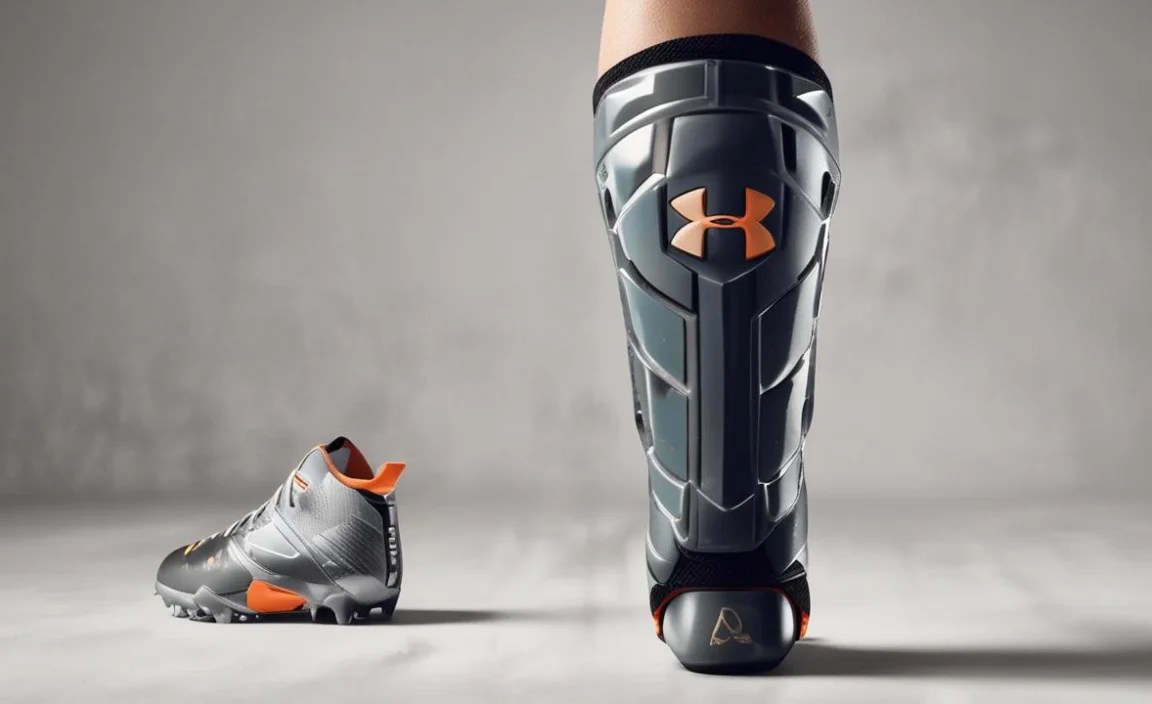
Are your shin guards feeling a bit loose, or maybe too tight? Getting the right fit for your Under Armour shin guards isn’t just about comfort; it’s about making sure you’re protected when you dig in for those crucial pitches. A good fit means you can move freely and confidently, without worrying about gear shifting or causing irritation. It’s a common snag for players, especially when you’re just starting or looking to upgrade. Don’t sweat it! We’re going to walk through how to find the perfect snugness, step by step. Let’s get your gear dialed in so you can focus on the game.
Why Proper Shin Guard Fit Matters

When you’re catching, your shin guards are your first line of defense against foul tips, errant pitches, and collisions at the plate. If they don’t fit right, they can create a whole host of problems:
- Reduced Protection: Gaps in coverage mean your shins and knees are more vulnerable to impact.
- Discomfort and Chafing: Shin guards that are too tight can restrict blood flow and rub, causing painful sores. Too loose, and they’ll move around, leading to blisters and annoying distractions.
- Limited Mobility: Ill-fitting gear can make it harder to squat, block, and move around the plate quickly, impacting your performance.
- Distraction: Constantly adjusting your gear takes your focus away from the game.
Under Armour designs its catcher’s gear with performance and protection in mind. But even the best equipment needs to be fitted correctly to do its job. Think of it like a glove – it needs to mold to your hand to feel right. Shin guards are no different!
Understanding Under Armour Shin Guard Sizing

Under Armour typically offers their catcher’s shin guards in a range of sizes, often based on a player’s height or inseam. While specific model dimensions can vary slightly, the general approach to sizing remains consistent. It’s always best to check the specific sizing chart for the model you’re interested in, as Under Armour might use different metrics or categories.
General Sizing Guidelines
Most catcher’s shin guard sizing is based on two key measurements:
- Height: This is the most common metric used. Players are categorized into youth, intermediate, and adult sizes based on their overall height.
- Inseam: This is the measurement from your crotch to the bottom of your ankle. It’s a more precise way to ensure coverage.
Pro Tip: While height is a good starting point, the inseam measurement is often more reliable, especially as players grow or if you have proportionally longer or shorter legs.
Common Sizing Categories (Example)
Here’s a general idea of how sizes might break down. Always consult the official Under Armour size chart for the specific product you are purchasing.
| Size Category | Approximate Height Range (inches) | Approximate Inseam Range (inches) |
|---|---|---|
| Youth | Under 5’0″ | Under 24″ |
| Intermediate | 5’0″ – 5’6″ | 24″ – 28″ |
| Adult Small | 5’6″ – 6’0″ | 28″ – 32″ |
| Adult Medium | 5’10” – 6’4″ | 30″ – 34″ |
| Adult Large | 6’0″ and up | 32″ and up |
Remember, this is a simplified example. Different models might have overlapping ranges or more specific categories. For instance, some youth gear might be broken down even further.
How to Measure for Shin Guards

Accurate measurements are key to a great fit. Grab a flexible measuring tape (the kind used for sewing or body measurements works best) and have a friend help you for the most accurate readings.
Step 1: Measure Your Height
Stand up straight against a wall with your shoes off. Have someone mark where the top of your head touches the wall. Measure from the floor to the mark. This gives you your overall height.
Step 2: Measure Your Inseam
This is the most critical measurement for shin guard fit.
- Have the person helping you stand to your side.
- Ensure you are standing up straight with your legs slightly apart (about shoulder-width).
- While keeping the measuring tape straight and snug (but not tight) against your inner thigh, have your helper measure from the very top of your crotch (where your legs join your torso) straight down to the middle of your ankle bone.
Step 3: Understand the Measurement
Once you have your inseam measurement, find the corresponding range on the Under Armour size chart for the specific shin guard model you are considering. If you fall between sizes, it’s generally better to err on the side of slightly larger, but we’ll discuss how to test this in the fitting process.
The Fitting Process: What to Look For
Once you have your measurements and have a potential size in mind, it’s time to put them on and see how they feel. This is where you’ll really know if they’re right for you.
Step 1: Put Them On Correctly
Most catcher’s shin guards are designed to be worn over your baseball pants, but some players prefer wearing them only under looser-fitting pants.
- Slide your leg into the shin guard.
- Position the knee pad so it sits comfortably and securely on your kneecap without being too high or too low.
- Fasten the straps. Start with the top strap, then the middle, and finally the bottom strap. Make sure they are snug but not constricting.
Step 2: Check for Coverage
This is where your inseam measurement comes into play.
- Top Coverage: The upper edge of the shin guard, particularly the knee cap area, should sit comfortably over the top of your kneecap. It shouldn’t dig in or feel too high, exposing the upper thigh area.
- Bottom Coverage: The lower edge should extend down to cover your ankle and the top of your shoe. You shouldn’t have a significant gap between the bottom of the shin guard and your foot, nor should it be so long that it interferes with your cleat or ankle movement.
- Shin Protection: The main shin plate should cover the entirety of your shin bone.
Step 3: Assess the Comfort and Mobility
Now, it’s time to move!
- Squat Deeply: Get into a full catcher’s squat. Do the shin guards pinch anywhere? Do they restrict your ability to get low?
- Block: Simulate blocking a pitch. Can you move your legs naturally? Do the guards shift significantly?
- Knee Mobility: Bend your knees, rotate your ankles. Does anything feel awkward or uncomfortable? Do the straps dig into your leg or calf?
- Strap Comfort: Check the straps themselves. Are they too long and dangling? Do they have enough Velcro to secure properly? Are they padded enough to avoid irritation?
Step 4: The “Finger Test” for Fit
A good rule of thumb is the “finger test.” When the shin guards are properly fastened:
- You should be able to comfortably slip one or two fingers between the top of the shin guard and your leg.
- Similarly, you should be able to slide a finger or two between the bottom of the shin guard and your ankle/shoe area.
This ensures they are snug enough to stay in place but not so tight that they impede circulation or comfort. If you can easily fit your whole hand, they’re too big. If you can’t fit even one finger, they’re likely too small or too tight.
Troubleshooting Common Fitting Issues
Even with careful measurement, you might encounter some fit issues. Here’s how to tackle them:
Issue: Shin Guards Slide Down
- Possible Cause: Straps not tight enough, shin guards too large, or pants are too slippery.
- Solution:
- Tighten the straps, especially the top one, ensuring they are securely fastened.
- If you’re between sizes, consider sizing down.
- Wear knee-high socks or specialized catcher’s socks that provide some grip against the shin guards.
- Some players add a bit of athletic tape to the inside of the shin guard for extra grip, though this can be a temporary fix and might irritate the skin.
Issue: Shin Guards Feel Too Tight or Restrictive
- Possible Cause: Shin guards are too small, straps are over-tightened, or you have thicker calves.
- Solution:
- Loosen the straps.
- If the issue persists, you may need to consider a larger size.
- Ensure you’re measuring your inseam accurately and comparing it to the chart.
Issue: Knee Pad Isn’t Centered or Feels Uncomfortable
- Possible Cause: Shin guard length is incorrect for your leg, or the knee pad design doesn’t match your knee shape.
- Solution:
- Adjust the shin guard’s position. Sometimes a slight shift up or down can properly align the knee pad.
- Ensure the shin guard’s length corresponds correctly to your inseam. If it’s too short, the knee pad might ride too high; if too long, it might sit too low.
- Different models have slightly different knee pad designs. If one model consistently feels off, try another from Under Armour or a different brand known for its knee cap comfort.
Issue: Straps are Too Short or Too Long
- Possible Cause: Incorrect size, or specific anatomy.
- Solution:
- If straps are too short, you likely need a larger size.
- If straps are too long and flap around, you might need a smaller size, or look for models with more adjustable strap systems.
Benefits of Well-Fitted Under Armour Shin Guards
Investing time in finding the right fit for your Under Armour shin guards pays off in several ways:
- Enhanced Safety: Properly positioned guards ensure maximum impact absorption and coverage, reducing the risk of injury.
- Improved Comfort: No more distractions from pinching, rubbing, or shifting gear. You can focus on your game.
- Greater Agility: When gear fits well, it moves with you, allowing for quicker reactions and smoother transitions in your stance.
- Increased Confidence: Knowing your gear is secure and protective allows you to play with more aggression and confidence.
- Durability: Properly fitted gear experiences less stress and strain, potentially extending its lifespan.
Under Armour’s commitment to athlete performance means their gear is designed to integrate seamlessly with your body. Getting that fit right unlocks that potential.
Caring for Your Under Armour Shin Guards
To keep your shin guards performing at their best and fitting correctly, proper care is essential. Follow these tips:
- Wipe Down After Use: After each game or practice, wipe down the exterior with a damp cloth to remove dirt and sweat.
- Air Dry: Never store your shin guards in a closed bag while still damp. Always let them air dry completely to prevent odor and mildew.
- Clean Straps: Occasionally, check the Velcro straps. If they become dirty, they might lose their sticking power. Gently clean them with a brush or by hand washing with mild soap and water, then air dry.
- Avoid Harsh Chemicals: Do not use harsh detergents or solvents, as they can damage the materials.
- Inspect Regularly: Check the padding for significant wear and tear, and ensure the straps are still in good condition.
Good maintenance ensures your gear stays protective and comfortable season after season. You can find more detailed care instructions from Under Armour’s official product pages or their customer service.
Frequently Asked Questions (FAQs) about Under Armour Shin Guard Fitting
Q1: How do I know if my Under Armour shin guards are the right size?
A1: They should cover your shin from just below the knee cap to the top of your shoe without gaps. You should be able to comfortably fit one or two fingers between the top/bottom edge of the guard and your leg. When you squat, they shouldn’t pinch or restrict movement.
Q2: Can I wear shin guards that are too big?
A2: While better than too small in terms of comfort, shin guards that are too big won’t offer optimal protection. They can shift during gameplay, exposing vulnerable areas and increasing the risk of injury. It’s best to get the correct size.
Q3: When should I consider buying new shin guards?
A3: Replace your shin guards if the padding is flattened or damaged, the straps are worn out and no longer secure, or if they no longer fit correctly. Damage can compromise their protective capabilities.
Q4: Do I need to wear special socks with shin guards?
A4: While not mandatory, catcher’s specific socks or knee-high athletic socks can improve comfort by providing a barrier between your skin and the shin guard, and can help prevent the guard from sliding.
Q5: Can youth shin guards be used by adults?
A5: Generally, no. Adult shin guards are designed for a larger build and longer legs. While a very small adult might fit into a large youth size, it’s not ideal for protection or performance. Always aim for adult-sized gear if you are an adult player.
Q6: How do I adjust the straps on Under Armour shin guards?
A6: Begin with the top strap, then the middle, and finally the bottom. Each strap should be snug enough to hold the guard in place but not so tight that it cuts off circulation or causes discomfort. The goal is a secure, but not constricting, fit.
Conclusion
Finding the perfect fit for your Under Armour shin guards is a critical step in preparing for a season of solid catching. It’s not just about comfort; it’s about ensuring you have the protection you need to perform at your best and stay safe behind the plate. By understanding sizing, taking accurate measurements, and performing a thorough fitting with movement, you can be confident that your gear will be a reliable extension of your defensive game. Remember to check the specific sizing guides for each model and don’t hesitate to test the mobility. Well-fitted shin guards allow you to focus on the pitch, block with confidence, and play the game you love without distraction. Gear up right, and let your performance shine!
