Quick Summary: Finding the perfect fit for your Force3 Catcher Shin Guards is key for comfort and protection. Measure from the center of your kneecap to the top of your shoe. Refer to the Force3 sizing chart for your ideal length. A snug, secure fit ensures maximum mobility and safety behind the plate.
Sizing Guide: Force3 Catcher Shin Guards for an Effortless Fit

Struggling to find catcher shin guards that feel just right? You’re not alone! Getting the perfect fit is super important. It means you can move freely, stay protected, and focus on the game, not on gear that’s slipping or digging in. We know how frustrating it can be to try on gear that doesn’t quite work. But don’t worry, we’re here to make it easy peasy. This guide will walk you through exactly how to size your Force3 Catcher Shin Guards so they feel like they were made just for you. Let’s get your gear dialed in for peak performance!
Why the Right Shin Guard Fit Matters

Choosing the right size for your Force3 catcher shin guards isn’t just about comfort; it’s about player safety and performance every single time you step behind the plate. Shin guards are your first line of defense against foul tips, errant pitches, and collisions. When they fit correctly, they provide optimal protection without restricting your movement. This allows you to get low into your defensive stance, block pitches effectively, and throw runners out with confidence. Ill-fitting shin guards can lead to a host of problems, from chafing and bruising to reduced mobility, which can hinder your game and, worse, increase your risk of injury. A proper fit ensures the guard stays in place, covering the critical areas you need protected.
Meet Force3: Advanced Protection for Catchers

Force3 is all about innovation and designing gear that truly protects athletes. They use advanced technology to create catcher’s equipment that offers superior impact absorption and comfort. Their shin guards, in particular, are designed with a unique approach to ensure a secure and protective fit for a wide range of players. Understanding their sizing is the first step to unlocking this next-level protection.
Understanding Your Catcher Shin Guard Measurement

Getting the right measurement is the most crucial step. It’s simpler than you think, and with a few basic tools, you’ll be on your way to a perfect fit. The key is to measure accurately from the right spot on your leg to the right spot on your shoe.
What You’ll Need:
- A fabric measuring tape or a flexible ruler.
- A friend to help steady the tape (optional, but recommended for accuracy).
- Your baseball shoes.
The Measurement Process: Step-by-Step
Follow these simple steps to get your measurement:
- Wear Your Gear: First, put on the baseball pants you typically wear while catching and your baseball shoes. This is important because pants and your shoes can affect where the shin guard should end.
- Find Your Kneecap: Locate the center of your kneecap. This is your starting point for the measurement.
- Measure Down: Starting from the center of your kneecap, extend the measuring tape straight down your shin. Keep the tape measure snug but not tight, following the natural curve of your leg.
- Reach the Top of Your Shoe: Continue measuring until you reach the top eyelet of your baseball shoe, where the laces begin. This is the point where the bottom of the shin guard should ideally sit.
- Record the Length: Note down the total length in inches. This number is your primary sizing guide.
It’s always a good idea to take the measurement a couple of times to ensure accuracy. If you’re measuring yourself, try to keep the tape measure straight and consistent.
Force3 Catcher Shin Guard Sizing Chart
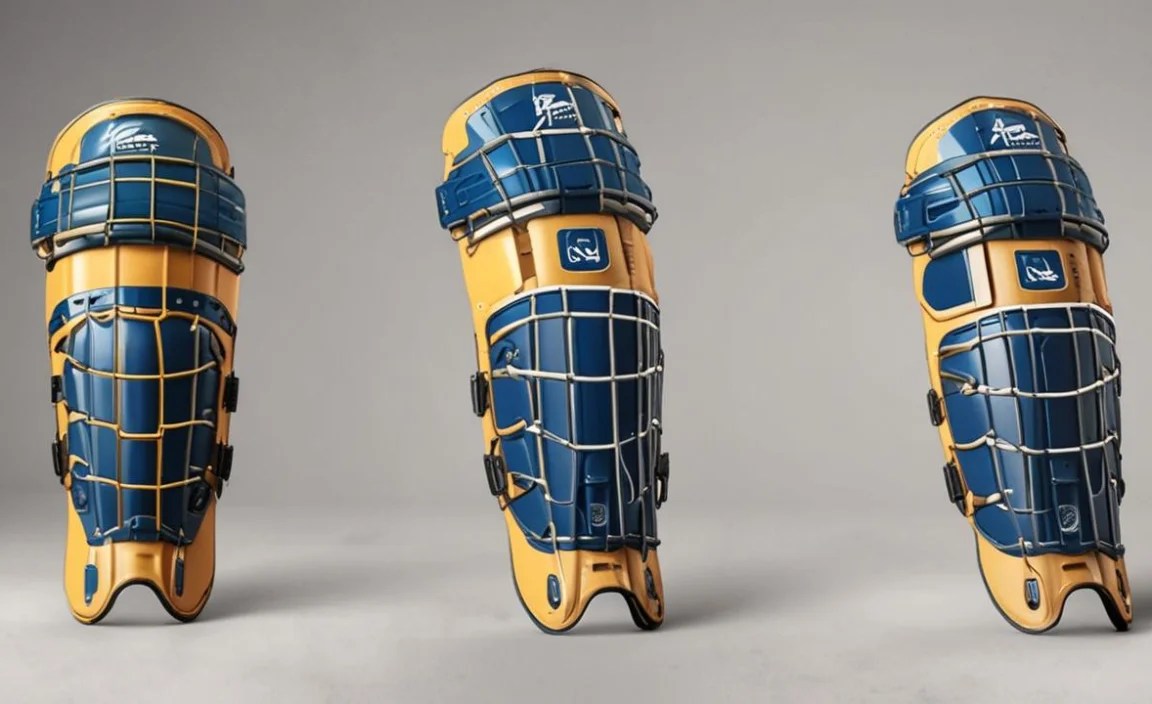
Force3 provides specific sizing recommendations based on leg length. It’s essential to consult their official sizing chart to find the best match once you have your measurement.
Here’s a general guideline, but always refer to the most current Force3 sizing chart available on their official website or at authorized retailers!
| Leg Length (Inches) | Recommended Shin Guard Size | Force3 Model (Example) |
|---|---|---|
| 13″ – 14″ | Youth/Small | Force3 Youth Shin Guards |
| 14″ – 16″ | Intermediate/Medium | Force3 Pro-Shift Shin Guards (Med) |
| 16″ – 18.5″ | Adult/Large | Force3 Pro-Shift Shin Guards (Lrg) |
| 18.5″+ | Adult/X-Large | Force3 Pro-Shift Shin Guards (X-Lrg) |
Important Note: This table is an example. Sizing can vary slightly between Force3 models. Always check the specific sizing guide for the model you are interested in purchasing.
Tips for an Effortless, Secure Fit
Once you’ve found your size, there are a few extra steps to ensure your shin guards are as secure and comfortable as possible. It’s all about adjusting the straps correctly and checking for any pressure points.
Adjusting the Straps
Force3 shin guards typically feature adjustable straps to customize the fit. Here’s how to get them just right:
- Top Strap: This strap should be snug enough to keep the top of the shin guard from sliding down your leg, but not so tight that it restricts your thigh movement or feels uncomfortable.
- Middle Strap(s): These help secure the middle of the guard. They should be firm but allow for natural knee flexion.
- Bottom Strap: This strap secures the lower part of the shin guard. It should be snug against your shin, just above the buckle of your shoe if possible, to prevent the guard from riding up.
The “Dynamic Test”
After strapping them on, perform a few baseball-specific movements to test the fit:
- Get into your catcher’s stance. See if the guards feel bulky or restrictive.
- Practice squatting and rising quickly.
- Simulate blocking pitches by dropping to your knees and returning to a stance.
- Walk around normally.
You want to feel protected, but also completely free to move. If you feel any pinching, rubbing, or excessive pressure, loosen or readjust the straps slightly.
Common Sizing Issues and How to Solve Them
Even with a measurement, sometimes things don’t feel perfect right away. Here are common pitfalls and their solutions:
Problem: Shin Guards Slide Down
- Solution: Tighten the top strap. Ensure you’re wearing your baseball pants and shoes, as they help hold the guard in place. Some players also use athletic tape discreetly on the calf to provide a bit more grip for the guard.
Problem: Shin Guards Feel Too Tight or Restrictive
- Solution: Loosen the straps, especially the top and middle ones. Make sure you’re not measuring too small. While snug is good for protection, you need mobility to perform.
Problem: Shin Guards Rub or Pinch
- Solution: Readjust strap placement. Sometimes a slight shift in how a strap sits can make a big difference. Ensure there are no wrinkles in your socks or pants where the guard makes contact. Force3 guards are designed for comfort, so persistent rubbing might indicate a need to re-evaluate the size or strap adjustment.
Problem: Bottom of Guard Hits Top of Foot
- Solution: Ensure you are measuring to the top eyelet of your shoe. If the guard is still interfering, you may need to consider a slightly shorter size or adjust your stance.
Force3 Catcher Shin Guards: A Closer Look at Features
Force3’s commitment to advanced protection is evident in their shin guard design. They often feature elements like:
- Advanced Impact Dispersion: Technologies that spread the force of impact away from your body.
- Ergonomic Design: Shaped to fit the natural contours of a catcher’s legs, enhancing comfort and mobility.
- Ventilation: Strategic venting to help keep you cooler during intense games and practices.
- Durable Materials: Built to withstand the rigors of catching and last through many seasons.
These features mean that when you get the sizing right, you’re not just getting protection, you’re getting gear designed for peak catcher performance. To learn more about the science behind their protective gear, you can explore resources on protective equipment design. For example, the National Safety Council offers insights into sports injury prevention and the importance of proper protective gear.
Choosing Between Different Force3 Models
Force3 may offer different shin guard models (e.g., Pro-Shift, Youth, etc.). While the core sizing principle remains the same (measuring your leg length), there might be slight variations in:
- Length and Width: Some models might be designed for a slightly wider or longer coverage.
- Strap Systems: The number and type of straps can differ, affecting how you achieve a secure fit.
- Padding Thickness: Advanced models might offer thicker padding, which can slightly alter the feel of the fit.
Always double-check the product description for any specific sizing notes on the model you are considering. What works perfectly for one player might require a minor adjustment for another due to unique body shapes.
Sizing for Youth Players vs. Adult Players
The fundamental measurement process is identical for youth and adult players. However, there are some key differences to keep in mind:
- Growth: Youth players are still growing. While you want a snug fit now, avoid buying shin guards that are excessively large with the hope of them growing into them. This can lead to poor fit and potential injury. It’s better to buy a size that fits well now and plan to replace them as the player grows.
- Protection Needs: While Force3 gear is designed for impact, younger players might benefit from models specifically geared towards youth, which often balance protection with lighter weight and ease of use.
- Mobility: For younger players developing their skills, maximum mobility is crucial. Ensuring the shin guards don’t hinder their ability to move and learn is paramount.
Frequently Asked Questions (FAQ) about Force3 Catcher Shin Guard Sizing
Q1: How often should I check the fit of my shin guards?
A1: It’s a good practice to check the fit at the beginning of each season or after any significant growth spurts. Also, if you notice any slipping or discomfort during play, check your strap adjustments.
Q2: Can I wear my shin guards over my pants, or should they go under?
A2: Generally, catcher shin guards are designed to be worn on the outside of your baseball pants. This allows for a more secure fit and ensures full coverage without your pants bunching up.
Q3: My shin guard measurement falls between two sizes on the chart. What should I do?
A3: If you are between sizes, consider your playing style and preferences. If you prioritize maximum coverage and a very secure feel, you might lean towards the larger size. If you prioritize maximum flexibility and a lighter feel, the smaller size might be better. Reading reviews or contacting Force3 customer support can also offer guidance.
Q4: Do Force3 shin guards come in different widths?
A4: While length is the primary sizing factor, Force3 designs often have an ergonomic shape that accommodates a reasonable range of leg widths. Always check the specific product details, but most standard models are designed with a broad range of athletes in mind.
Q5: What if my shin guards feel uncomfortable after a few uses?
A5: Minor discomfort might lessen as the guards “break in.” However, persistent issues like pinching or rubbing usually indicate an improper fit. Revisit your measurements and strap adjustments. If the problem persists, it might be worth consulting with a baseball equipment specialist or contacting Force3 customer service.
Q6: Can I use athletic tape to help my shin guards fit better?
A6: Yes, some players find that a layer or two of athletic tape on the calf can provide a smoother surface and a bit of extra grip, preventing slippage. Ensure it’s applied smoothly and doesn’t create pressure points. For more on sports taping, resources like those from the National Athletic Trainers’ Association (NATA) can offer general principles, though specific recommendations should come from a qualified trainer.
Conclusion: Play Confidently with the Right Fit
Getting the sizing for your Force3 Catcher Shin Guards just right is a game-changer. Remember, it all starts with an accurate measurement from the center of your kneecap to the top eyelet of your shoe. By consulting the Force3 sizing chart and paying attention to how your straps are adjusted, you can ensure a snug, secure, and comfortable fit. This proper fit means you’re less likely to be distracted by your gear and more likely to perform at your best, all while staying protected. Don’t let ill-fitting equipment hold you back. Take a few minutes, measure carefully, and get ready to catch with confidence and comfort. Your knees will thank you!
