The best Nike shin guards fit snugly, offering maximum protection without restricting movement. A proper fit means measuring your leg accurately from the kneecap down to your ankle, choosing a size based on the manufacturer’s chart, and testing for comfort and coverage during practice.
Stepping up to the plate as a catcher means you’re the last line of defense. And to do that job well, you need to feel protected. One piece of gear that’s absolutely crucial for this is your shin guards. But let’s be honest, finding the right fit can sometimes feel like a wild pitch! Too loose, and they’ll be sliding around, offering little protection and a lot of distraction.
Too tight, and you’ll be uncomfortable and restricted. We’ve all been there, right? Don’t worry, because getting that perfect, secure fit for your Nike shin guards makes a huge difference in your confidence and performance behind the dish. We’ll walk through exactly how to get it right, so you can focus on the game.
Why Shin Guard Fit Matters for Catchers

Your shin guards are your primary defense against foul balls, errant pitches, and collisions at the plate. A good fit isn’t just about comfort; it’s about maximizing protection and maintaining agility. When shin guards are too big, they can shift, leaving vulnerable spots exposed. They can also get in the way, hindering your ability to block pitches or move quickly. On the other hand, shin guards that are too small might not offer enough coverage, and frankly, they can be painful!
Think of it like this: your shin guards should feel like an extension of your legs, not a separate, clunky piece of equipment. They need to stay put, absorb impact effectively, and allow you to move naturally. This means a secure but not restrictive fit is key to both safety and performance. For any catcher, especially those just starting out, understanding this is the first step to owning your position.
Understanding Nike Catcher’s Shin Guard Sizing

Nike offers a range of catcher’s gear, and their shin guards are designed with different levels of play and player sizes in mind. While specific models might vary slightly, the core principles of fitting remain consistent. Nike generally uses a sizing system based on leg measurements, aiming to provide coverage from just below the kneecap all the way down to the toe cap or the top of your cleats.
The goal is to ensure that when you’re in your catching stance, the shin guard covers the entirety of your shin bone. This means it should protect you from those low pitches that sneak past the mitt or the dreaded foul tips that bounce off your leg. Knowing where Nike typically places their measurement points will help you translate your leg size into the right guard size.
How to Measure for Your Nike Shin Guards

Getting accurate measurements is the most critical step in finding the perfect fit for your Nike shin guards. You’ll want to do this when you’re wearing baseball pants, but not your cleats, as this gives you a more accurate representation of how the guards will fit in game conditions. Grab a soft measuring tape, like the kind used for sewing, or even a piece of string and a ruler.
Step 1: Identify the Key Measurement Points
For most catcher’s shin guards, including Nike’s, the measurement spans from:
- The center of your kneecap: This is the bony protrusion at the front of your knee.
- The top of your ankle bone (malleolus): This is the hard, bony bump on the inside of your ankle.
Step 2: Take the Direct Measurement
- Sit on a chair with your leg bent at a 90-degree angle.
- Place one end of your measuring tape (or string) directly on the center of your kneecap.
- Run the tape straight down the front of your shin, keeping it as straight as possible.
- Note where the tape ends at the top of your ankle bone. This is your shin guard length measurement.
Step 3: Measure Your Calf Circumference (Important for some models and comfort)
While length is primary, some shin guard designs might also benefit from knowing your calf’s widest point. This helps ensure a snug fit around the calf itself, preventing slipping. Measure around the fullest part of your calf muscle.
Step 4: Consult the Nike Sizing Chart (or Retailer’s Chart)
Once you have your measurements, the next step is to find the corresponding size on Nike’s official sizing chart. These charts are usually available on Nike’s website, on retailer websites where the shin guards are sold, or sometimes even on the product packaging.
A quick search for “Nike baseball catcher’s gear sizing” should bring up the relevant charts. Keep in mind that sizing can sometimes vary slightly between different product lines or years, so always try to find the chart specific to the model you’re interested in. For example, a general Nike youth shin guard size chart might look something like this:
| Size | Shin Length (inches) | Recommended Age/Height |
|---|---|---|
| Youth Small | 11-12 inches | Ages 7-9 / 4’0″-4’8″ |
| Youth Medium | 13-14 inches | Ages 9-11 / 4’8″-5’2″ |
| Youth Large | 15-16 inches | Ages 11-13 / 5’2″-5’7″ |
| Adult Small | 15-16 inches | Height 5’7″-5’10” |
| Adult Medium | 17-18 inches | Height 5’10”-6’1″ |
| Adult Large | 19-20 inches | Height 6’1″+ |
Note: This is a sample chart. Always refer to the official Nike sizing guide for the most accurate information.
Trying On Nike Shin Guards: The Real Test

Measurements are a great starting point, but nothing beats actually trying on the shin guards. If you can, head to a sporting goods store. If you’re ordering online, make sure there’s a good return policy so you can swap them out if they don’t feel right. Here’s what to look for when you have them on:
1. Coverage is Key
- Top Line: Does the top of the shin guard sit just below the patella (kneecap) without digging in or feeling too low? It should follow the natural curve of your knee.
- Bottom Line: Does the bottom extend far enough down to cover your entire shin, reaching close to your ankle bone without interfering with your cleats when you bend your foot?
- Width: Are they wide enough to protect the sides of your shin, especially on the inside where the foul balls tend to go?
2. Secure Fit and Straps
Shin guards typically use a system of adjustable straps, often with Velcro. Here’s how they should feel:
- Knee Strap: This should be snug enough to help hold the guard in place without cutting off circulation. It’s there to keep the upper part of the shin guard stable.
- Mid-Leg Strap: This strap helps secure the guard around your calf. It should be firm, preventing the guard from sliding down, but not so tight that it feels constrictive or causes discomfort when your muscles flex.
- Ankle Strap (if present): Some models have a strap lower down. This is less common but, if present, should provide stability without pinching.
When you fasten the straps, there should be no significant gapping between your leg and the inside of the shin guard. The material should conform to your leg shape.
3. Mobility and Comfort
This is where you test them in a catcher’s motion:
- Get into your stance: Crouch down as if you’re ready to receive a pitch. Do the shin guards stay in place? Are they digging into your knees or shins?
- Practice blocking: Mimic blocking a low pitch. Can you move your legs freely? Do the shin guards feel restrictive?
- Walk and squat: Move around. Do they make noise? Do they chafe? Any discomfort now will be amplified over a full game.
You’re looking for a feel where you’re aware you’re wearing protection, but it doesn’t impede your natural movements. The padding should feel substantial but not overly bulky.
Common Fitting Issues and How to Solve Them
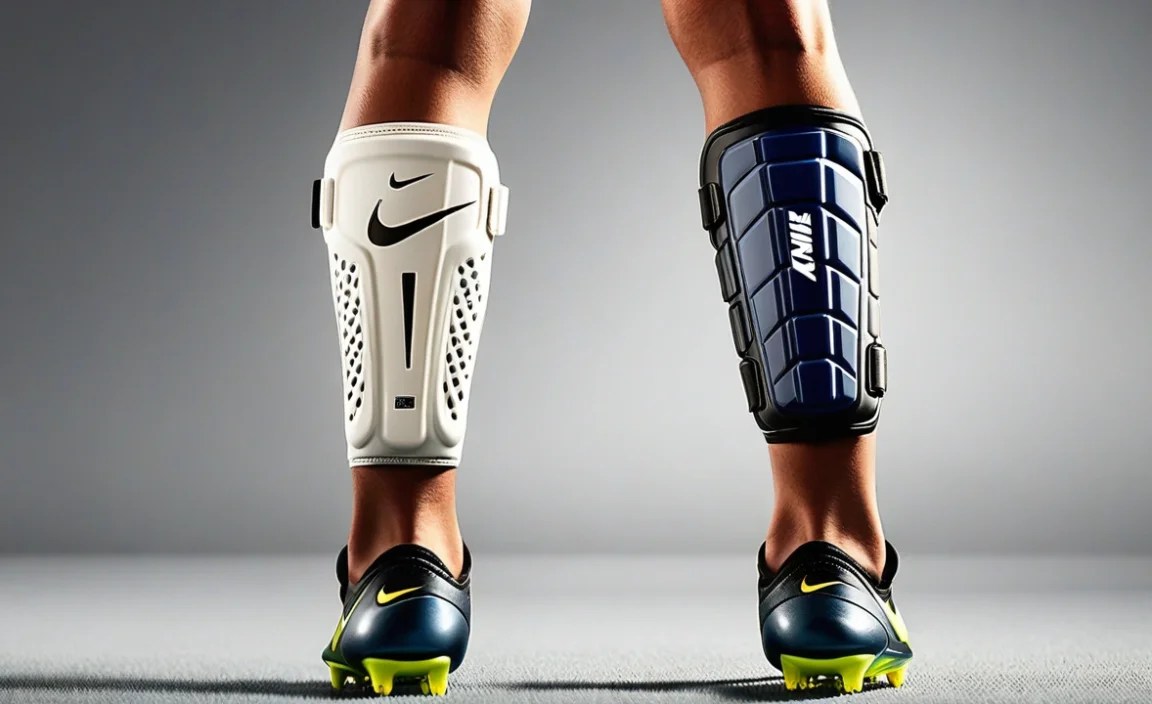
Even with careful measurement, you might encounter a few common problems. Here’s how to fix them:
Shin Guard Slides Down
Cause: Straps are too loose, shin guard is too long, or calf is too narrow for the guard’s shape.
Solution:
- Tighten the straps, especially the mid-leg strap.
- If the guard is significantly too long, consider a smaller size.
- For minor slippage with a good length, some players add a sports sleeve underneath for extra grip.
- Ensure you’re wearing socks that aren’t overly slick.
Shin Guard is Too Tight or Restrictive
Cause: Shin guard is too short, too narrow, or straps are overtightened.
Solution:
- Loosen the straps.
- If it’s still too tight in the calf, you may need a larger size or a different model with a wider calf design.
- Ensure you’re measuring your leg in a relaxed state, not flexed.
Knee Cap Coverage Feels Off
Cause: Guard is too short, or you’re not positioning the top correctly.
Solution:
- Adjust the top strap to pull the knee cap section up slightly.
- If the guard is genuinely too short, you’ll need a longer size. The top of the shin guard should sit just below the kneecap, often with a “wing” that extends up over the side of the knee.
Protection Gaps on the Sides
Cause: Shin guard is too narrow for your legs, or it’s rotating.
Solution:
- Ensure the width of the shin is covered. If measured correctly and still too narrow, look for wider models.
- Make sure the straps are evenly tightened to prevent rotation.
Nike Shin Guard Technologies and Features to Consider
Nike often incorporates innovative features into their gear. While fitting is paramount, understanding these can enhance your choice:
- Ventilation: Look for designs with good airflow to keep you cool, especially during long games or practices in warm weather.
- Padding: Different models offer varying levels of padding. For competitive play, you’ll want robust padding designed to absorb impact. Some may have removable liners.
- Materials: Lightweight yet durable materials are a plus. Some modern designs use advanced plastics and foams to balance protection and weight.
- Articulation: Shin guards with segmented designs often offer better flexibility and natural movement around the knee and ankle.
For the latest in sports equipment technology, you can often find informative articles from organizations like the National Public Radio (NPR) that discuss how design and materials impact athlete performance and safety.
Gear Up Safely: Beyond Shin Guards
Remember, catcher’s gear is a system. While perfectly fitted shin guards are crucial, they work in conjunction with other protective equipment. A well-fitting helmet, chest protector, and glove are equally important for a catcher’s safety. Ensure all your gear is approved for your league’s age group and level of play.
For instance, youth leagues often have specific regulations on the type and size of catcher’s gear allowed. Always double-check with your league or coach to ensure compliance. Resources from organizations like the USSSA (United States Specialty Sports Association) or your local Little League can provide rulebooks and guidelines.
FAQ: Your Nike Shin Guard Questions Answered
Q1: How do I know if my Nike shin guards are too short?
A: Your Nike shin guards are too short if they don’t cover your entire shin bone from just below the kneecap to your ankle. You’ll feel unprotected, and there might be a noticeable gap between the guard and your cleat when you squat.
Q2: Can I use youth shin guards if I’m an adult, or vice versa?
A: It’s best to stick to the recommended sizing. Nike designs youth and adult gear for different body proportions and impact levels. While a short adult might fit a large youth size, it’s generally safer and more effective to use adult-sized protective gear.
Q3: How often should I replace my catcher’s shin guards?
A: Shin guards don’t wear out as quickly as some other gear, but you should inspect them regularly for cracks, tears, or degraded padding. If the straps are no longer secure or the protective shell is compromised, it’s time for a replacement. For serious players, every 3-5 years is a common replacement cycle, or sooner if damaged.
Q4: What’s the difference between baseball and softball catcher shin guards?
A: While they serve the same purpose, softball catcher’s gear, especially for fastpitch, is often designed to handle higher speeds and different types of pitches. The sizing and specific protective features might differ, so ensure you’re buying gear designed for the sport you play.
Q5: My Nike shin guards feel bulky. Is that normal?
A: Some bulkiness is normal, as shin guards are designed to absorb impact. However, they shouldn’t feel overly cumbersome or restrict your movement to the point where it affects your game. If they feel excessively bulky and hinder your ability to move, you might consider a sleeker, more lightweight model, but always prioritize protection.
Q6: How do I clean my Nike shin guards?
A: Most shin guards can be cleaned with mild soap and cool water using a soft cloth or sponge. Allow them to air dry completely away from direct heat or sunlight. Avoid harsh chemicals or machine washing, as this can damage the materials.
Conclusion: Own Your Position with Confidence
Finding the right fit for your Nike catcher’s shin guards is more than just a chore; it’s an essential step in feeling confident and secure behind home plate. By taking accurate measurements and carefully testing the fit for coverage, comfort, and mobility, you ensure that your gear is working for you, not against you. Remember to always consult sizing charts, try them on if possible, and pay attention to how they feel during game-like movements.
With well-fitting gear, you can step into your stance knowing you’re protected from errant pitches and foul tips, allowing you to focus on the crucial aspects of catching: framing pitches, blocking balls, and leading your team. This attention to detail in your equipment translates directly to better performance and peace of mind on the field. So, get that perfect fit, and go out there and dominate your position!
