For players, Nike shin guards offer specialized protection and mobility. True umpire gear, a more robust system, is designed for officials needing to withstand high-impact pitches. Understanding your role (player vs. umpire) is key to choosing the right gear.
Nike Shin Guards vs. Umpire Gear: Essential Showdown for Baseball Players

Stepping onto the baseball field, whether you’re behind the plate or calling balls and strikes, means protecting yourself. But when it comes to shin guards, the lines can get a little blurry. You might see players rocking sleek Nike shin guards, while official umpires wear gear that looks like it belongs in a battle. So, what’s the real difference? And which one is right for you? It’s a common question, and understanding your options can make all the difference in comfort, safety, and performance. This guide will break it all down, so you can make the best choice for your game.
Understanding the Core Difference: Player Protection vs. Official Coverage

At its heart, the distinction between Nike shin guards and dedicated umpire gear boils down to their primary purpose and the level of protection they offer. Think of it like this: players need gear to help them play their best while staying safe from batted balls and errant pitches, whereas umpires need gear designed to withstand prolonged, direct impacts from foul tips and pitches.
Nike shin guards, while excellent for their intended purpose, are typically designed with the player in mind. They aim to provide a balance of impact protection, flexibility, and comfort so you can move freely and execute plays. Umpire gear, on the other hand, is built with a singular focus: maximum protection for an official who stands directly in the line of fire, game after game.
Nike Shin Guards: Designed for the Player

When you see Nike shin guards, you’re usually looking at equipment designed to enhance a player’s ability on the field while offering essential protection. These are not your grandfather’s shin guards; they incorporate modern materials and design principles to keep you comfortable and mobile.
Key Features of Nike Shin Guards for Players
- Lightweight Construction: Nike focuses on using lightweight materials to avoid hindering a player’s speed and agility.
- Anatomical Fit: Designed to contour to a player’s leg for better comfort and reduced slippage during dynamic movements.
- Impact Absorption: While not as heavy-duty as umpire gear, they provide good protection against ground balls, thrown balls, and minor impacts common during play.
- Breathability: Many models include ventilation to keep legs cooler during intense games.
- Mobility: Often feature segmented designs or flexible panels that allow for a full range of motion, crucial for running, sliding, and fielding.
Who Should Use Nike Shin Guards?
These are ideal for:
- Outfielders: Protecting shins from hard-hit ground balls in the outfield.
- Infielders: Guarding against sharp grounders and bad hops.
- Base Runners: Offering some protection during slides.
- Catchers (in some situations): Particularly for younger players or those seeking added protection beyond their traditional catcher’s gear, though not a complete replacement.
- Players who prioritize mobility and speed.
Umpire Gear: The Unyielding Defender

Umpire gear is a different beast altogether. This equipment is built for individuals who are positioned directly behind the batter and catcher, facing a constant barrage of high-speed pitches and foul balls. The priority here is survivability and the ability to maintain focus despite a high risk of impact.
Key Features of Official Umpire Gear
- “All-Leg” Coverage: Umpire shin guards typically extend much higher and lower than player shin guards, often covering the entire shin, knee, and even part of the thigh and foot.
- Heavy-Duty Padding: They feature significantly thicker padding and often incorporate hard plastic shells or metal plates designed to withstand direct, forceful impacts.
- Robust Strapping Systems: Umpire gear uses secure, durable straps to ensure it stays in place, even under extreme stress.
- Durability: Built to last through hundreds of games, resisting wear and tear from constant use and severe impact.
- Less Emphasis on Mobility: While designed for comfort during long games, the primary focus is protection, which can sometimes mean slightly less flexibility than player-specific gear.
Who Needs Official Umpire Gear?
This is essential for:
- Home Plate Umpires: This is their non-negotiable protective equipment.
- Professional Umpires: Across all levels of baseball.
- Anyone officiating games where foul tips are a significant concern.
A Direct Comparison: Nike Shin Guards vs. Umpire Gear

To truly understand the difference, let’s look at them side-by-side across key categories.
| Feature | Nike Shin Guards (Player) | Umpire Gear Shin Guards |
|---|---|---|
| Primary Purpose | Player protection & mobility | Official protection from direct impact |
| Coverage Area | Shin, sometimes knee (variable) | Shin, knee, thigh, sometimes foot (extensive) |
| Padding Thickness | Moderate | Heavy-duty, often with hard shell overlay |
| Impact Resistance | Good for typical game plays | Superior, designed for foul tips and direct pitches |
| Flexibility & Mobility | High, designed for athletic movement | Good, but secondary to protection |
| Weight | Lighter | Heavier |
| Typical User | Fielders, base runners, some catchers | Home plate umpires |
| Cost | Mid-range | Can be higher due to robust construction |
Why the Difference Matters: Safety and Performance
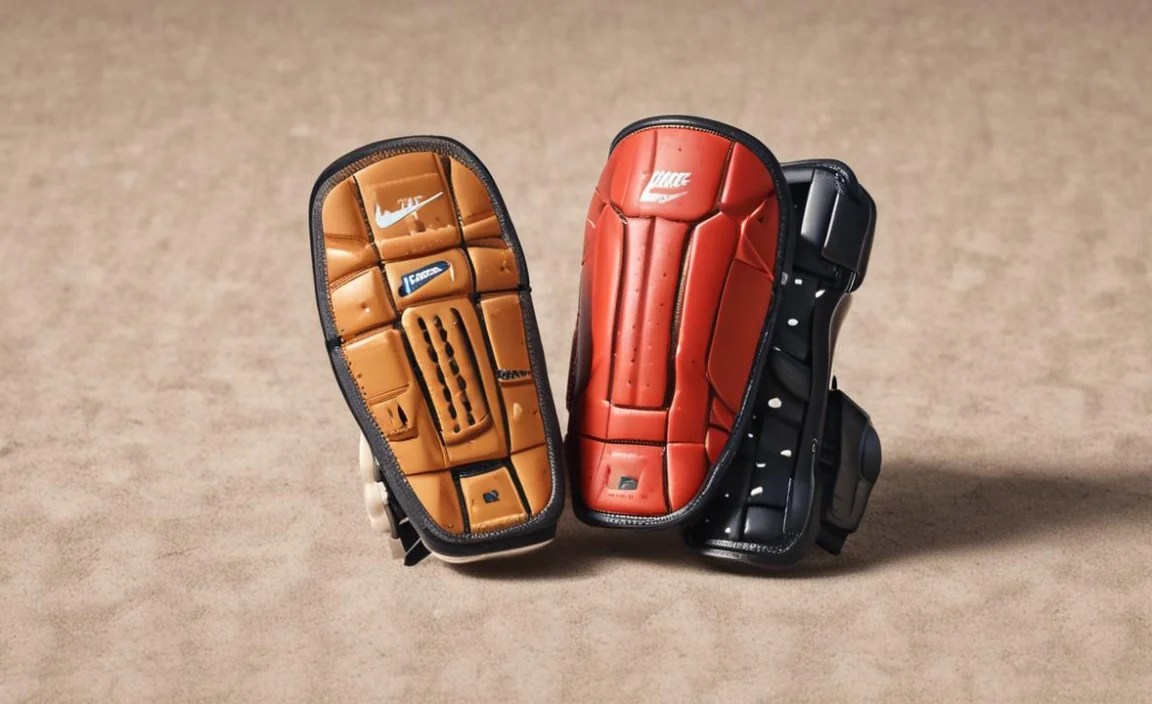
Using the right gear is not just about comfort; it’s fundamentally about safety and enabling your best performance. Wearing general shin guards when extreme protection is needed, or heavy umpire gear as an outfielder, could be counterproductive.
Safety Implications
For a player, Nike shin guards offer a crucial layer of defense against those accidental kicks from fellow players, stray balls during practice, or sharply hit grounders. They help prevent bruises, cuts, and more serious injuries. However, they are NOT designed to withstand the full force of a wicked curveball or a line drive aimed directly at the shin from close range – which is the reality for a home plate umpire. Umpire gear is built for this level of punishment. Its thicker padding and rigid construction absorb and dissipate energy far more effectively, preventing fractures and severe trauma.
Performance Implications
Conversely, wearing bulky umpire gear as an outfielder would be a major hindrance. It would restrict movement, add unnecessary weight, and potentially cause overheating, all of which would negatively impact your ability to field, throw, or run. Nike shin guards, designed with athletic performance in mind, allow players to maintain their agility and speed. The anatomical fit and breathable materials ensure they stay put without becoming a distraction.
Can Players Wear Umpire Gear?

While technically possible, it’s generally not recommended for field players to wear full umpire gear. Here’s why:
- Overkill Protection: The protection is far more than what’s needed for most player positions, leading to unnecessary bulk.
- Mobility Issues: The restricted range of motion can hinder fielding, throwing, and running.
- Weight and Heat: The extra padding and materials make them significantly heavier and warmer, leading to fatigue.
- Cost: Umpire gear is often more expensive due to its heavy-duty construction.
- Design Intent: It’s specialized for a stationary, high-impact role, not dynamic athletic movement.
Think of it this way: you wouldn’t wear a full knight’s suit of armor to play basketball, and similarly, serious players don’t typically opt for umpire leg protection.
When Might a Player Consider Umpire-Style Protection?
The primary scenario where a player might consider something closer to umpire gear is if they are a catcher, especially in youth leagues or at very high levels of play where pitches are extremely fast. However, even then, dedicated catcher’s shin guards are specifically designed to integrate with their full set of gear, offering protection while allowing for the unique movements of a catcher. For instance, many high-level catcher’s shin guards borrow design elements from umpire gear, like extended knee and thigh protection, but are still tailored for the catcher’s specific needs. A good example of player-focused, high-protection gear can be seen in brands like Wilson, which offers advanced catcher’s equipment designed for the rigors of the position.
Choosing the Right Shin Guards: A Step-by-Step Approach
Deciding which shin guards are right for you depends on your role in the game.
Step 1: Identify Your Primary Role
- Are you primarily a fielder (outfielder, infielder)?
- Are you a catcher?
- Are you officiating the game (umpiring)?
Step 2: Consider the Level of Play
- Youth/Beginner: Basic protection is usually sufficient for fielders. Catchers need good, secure shin guards.
- Amateur Adult: Mid-level protection for fielders, more robust options for catchers.
- Competitive/Professional: High-quality, durable gear tailored to the specific demands of the position.
- Umpiring: Professional-grade umpire gear is a must.
Step 3: Assess the Risks
- Fielders: Risk from ground balls, errant throws, accidental contact.
- Catchers: Risk from foul tips, wild pitches, collisions.
- Umpires: High risk from foul tips directly to the legs and feet.
Step 4: Prioritize Key Features
- For Fielders: Lightweight, good fit, adequate impact absorption, freedom of movement.
- For Catchers: Full leg coverage, superior impact protection for knees and shins, secure fit, ability to move to block pitches.
- For Umpires: Maximum coverage, significant padding, durable construction, extreme impact resistance.
Step 5: Try Them On (If Possible)
Fit is crucial. Shin guards should be snug but not constricting. They shouldn’t slide down your leg during play. If you’re a catcher or umpire, ensure they integrate well with your other protective equipment, like the mask and chest protector.
The Importance of Proper Training and Conditioning
While the right gear is essential, it’s also worth remembering that conditioning and proper technique play huge roles in preventing injuries. For anyone playing baseball, developing core strength, leg power, and flexibility can help you react better, absorb impacts more effectively, and maintain good form. Resources like those from the National Football League (NFL) Flag program often offer general youth sports safety and training tips that can be adapted for baseball, emphasizing the importance of conditioning for injury prevention.
Frequently Asked Questions (FAQ)
Q1: What is the main difference between Nike shin guards and umpire shin guards?
Nike shin guards are designed for baseball players needing protection during play and emphasizing mobility. Umpire shin guards are built for officials and offer maximum protection against direct, high-impact foul tips and pitches.
Q2: Can a baseball player use umpire shin guards for games?
While possible, it’s not generally recommended for field players as they are bulky, heavy, and can restrict movement, hindering performance.
Q3: Are Nike catcher’s shin guards the same as umpire gear?
No. Nike catcher’s shin guards are designed for the specific needs of a catcher, balancing protection with mobility. Umpire gear is more robust and covers a larger area, prioritizing extreme impact resistance.
Q4: What kind of shin guards should a youth baseball player wear?
For fielders, standard youth shin guards or soccer-style guards offer sufficient protection. Catchers should look for youth-specific catcher’s shin guards that offer good coverage and padding.
Q5: How high should shin guards come up my leg?
Player shin guards typically cover from just below the knee down to the ankle. Catcher’s and umpire’s shin guards will extend much higher up the thigh and lower over the foot for more comprehensive protection.
Q6: What materials are best for baseball shin guards?
Look for durable plastics for the outer shell and shock-absorbing foam or gel padding on the inside. Breathable materials are a plus for comfort.
Q7: Where can I find official baseball umpire gear?
Official umpire gear can be found at specialty sporting goods stores, online umpire supply retailers, and major online sports retailers. Brands like All-Star are well-regarded for their umpire equipment.
Conclusion
Navigating the world of baseball protective gear can seem complex, but understanding the fundamental purpose behind different types of equipment makes the choice clear. For athletes looking to enhance their gameplay with a smart blend of protection and mobility, Nike shin guards offer excellent options, fitting the needs of outfielders, infielders, and even some catchers.
Their design prioritizes agility and comfort, allowing players to focus on their performance. On the other hand, for those brave individuals officiating from behind home plate, dedicated umpire gear is an absolute necessity. It’s constructed with uncompromising protection against the game’s most forceful impacts. By identifying your role on the field and the specific protection it requires, you can confidently choose the gear that will keep you safe, comfortable, and ready to play your best game, inning after inning.
