Rawlings catchers helmets are crucial for college play, offering superior protection and comfort. Choosing the right Rawlings helmet ensures safety behind the plate, allowing you to focus on your game. This guide helps you select the best model for your needs.
Hey there, future sluggers and diamond defenders! John P. Miller here, ready to talk about something incredibly important for any catcher at the college level: protection. Stepping into the college game means facing tougher competition, faster pitches, and a whole new level of intensity. One piece of gear that’s non-negotiable for keeping you safe and confident behind the plate is your catcher’s helmet. We’re going to dive deep into the world of Rawlings catcher’s helmets, making sure you have the knowledge to pick the one that fits your game and your budget. Ready to gear up with the best?
Why the Right Rawlings Catcher’s Helmet Matters for College Play

As a catcher, you’re the quarterback of the defense, constantly in the line of fire. Fastballs reaching 90+ mph, errant sliders, foul tips to the face – the risks are real. A high-quality catcher’s helmet isn’t just a piece of equipment; it’s your shield. Rawlings, a name synonymous with baseball excellence, offers helmets designed to meet the rigorous demands of college baseball. They focus on advanced protection technologies, superior comfort for long games and practices, and a fit that doesn’t hinder your vision or movement. For college players, this means a gear choice that directly impacts performance and, most importantly, safety.
The Evolution of Catcher’s Helmet Technology
Gone are the days of bulky, uncomfortable buckets. Catcher’s helmets have come a long way, and Rawlings has been at the forefront of this innovation. Modern helmets utilize advanced materials and designs to absorb and dissipate impact energy effectively. This includes:
- Multi-density foam padding: Different densities of foam are strategically placed to absorb various levels of impact, from light foul tips to harder collisions.
- Reinforced cage designs: Stronger, yet lighter, steel or titanium cages offer maximum visibility while providing robust protection against direct ball impacts.
- Moisture-wicking liners: To keep you cool and dry during intense games, newer liners help manage sweat, preventing irritation and discomfort.
- Ergonomic fit systems: Adjustable straps and padding allow for a customizable fit, ensuring the helmet stays securely in place.
These advancements mean you can perform at your peak without compromising your safety or comfort.
Choosing Your Rawlings Catcher’s Helmet: Key Features to Consider

When you’re looking at Rawlings catcher’s helmets for college, several factors will help you narrow down your choices. Think of it like picking the perfect bat – it needs to feel right for you.
Protection Standards & Certifications
The first thing to check is safety certification. For college play, ensure the helmet meets or exceeds industry safety standards. Look for:
- NOCSAE Certification: The National Operating Committee on Standards for Athletic Equipment (NOCSAE) sets the standards for protective athletic equipment. A helmet with a NOCSAE tag indicates it has passed rigorous testing to ensure it provides adequate protection against specific types of impacts. This is critical for college play where the velocity and intensity are higher. You can find more information on NOCSAE standards at nocsae.org.
- ASTM Standards: While NOCSAE is the primary baseball standard, understanding ASTM (American Society for Testing and Materials) standards can also be helpful in evaluating protective gear.
Not all helmets are created equal, and ensuring it meets these recognized standards is your first line of defense.
Fit and Comfort: The Foundation of Performance
A helmet that doesn’t fit well is not only uncomfortable but can also be less protective and a distraction. College games are long, and practices can be even longer. You need a helmet that feels like a second skin.
- Adjustability: Look for helmets with robust adjustment systems. This might include a dial-fit system in the back, adjustable chin straps, or interchangeable padding.
- Padding: The quality and density of the interior padding significantly impact comfort and shock absorption. Removable and washable padding is a plus for hygiene.
- Weight: While sturdiness is key, an overly heavy helmet can cause fatigue. Modern designs often strike a good balance between protection and weight.
Trying on different models is ideal. If you can’t, read reviews specifically mentioning fit and comfort for catchers with similar head shapes.
Cage Design and Visibility
The cage protects your face, but it shouldn’t obstruct your view. The design of the cage is crucial for a catcher’s ability to see the ball, frame pitches, and make plays.
- Bar Spacing: Wider bar spacing can offer better peripheral vision but might compromise on protection area. Rawlings often balances this with reinforced bars.
- Cage Material: Steel is common and durable. Some high-end models might use titanium for lighter weight while maintaining strength.
- Strap System: The cage should be securely attached to the helmet, ensuring it won’t shift during an impact.
Durability and Longevity
College baseball is a demanding environment. Your gear needs to withstand the rigors of a full season, including travel, frequent use, and the occasional hard impact. Rawlings is known for building durable equipment. Look for:
- High-quality outer shell material: Typically made from ABS plastic or similar robust materials.
- Strong cage construction: Ensuring the welds and attachment points are solid.
- Resilient padding: Padding that doesn’t compress too easily or lose its protective qualities over time.
Style and Aesthetics
While not as critical as protection or fit, the look of your gear can matter. Rawlings offers helmets in various colors and styles. Some players prefer a more traditional look, while others like the sleek, modern designs. College teams often have specific color requirements, so keep that in mind.
Top Rawlings Catcher’s Helmets for the College Level

Rawlings offers a range of excellent catcher’s helmets. For college play, you’ll want to look at their higher-end models that integrate the latest technology and offer superior protection. Here are a couple of popular lines that often feature prominently at this level:
Rawlings Velo Series Catcher’s Helmets
The Velo series from Rawlings is a popular choice for its blend of protection, comfort, and modern design. These helmets are engineered for performance at all levels, including college.
- Key Features:
- High-impact ABS shell for robust protection.
- Advanced cage design for unobstructed vision.
- Comfortable, moisture-wicking padding.
- Adjustable back dial for a secure, custom fit.
- Often meets or exceeds NOCSAE standards.
- Pros for College Players:
- Excellent balance of protection and weight.
- Reliable and durable for a full season.
- Visually appealing modern design.
- Things to Consider:
- Fit can vary, so trying it on is recommended.
- May be a mid-to-high price point.
Rawlings Impulse Series Catcher’s Helmets
The Impulse series is designed for elite performance, focusing on advanced comfort and protection features that college players expect. These helmets often incorporate the latest materials and ergonomic designs.
- Key Features:
- Lightweight yet strong construction.
- Enhanced ventilation to keep players cool.
- Dual-density foam padding for superior shock absorption.
- Secure harness system for a locked-in feel.
- Designed to meet professional-grade safety standards.
- Pros for College Players:
- Superior comfort for extended wear.
- Advanced impact protection.
- Lightweight design helps reduce fatigue.
- Things to Consider:
- Typically one of Rawlings’ premium offerings, so expect a higher price tag.
- Availability of specific models or colors might be more limited.
Rawlings Mach Series Catcher’s Helmets
The Mach series often represents Rawlings’ commitment to integrating cutting-edge technology for ultimate player protection and performance. For college catchers, this means a helmet that doesn’t just protect but actively enhances confidence.
- Key Features:
- Exoskeleton-inspired design for maximum energy dispersion.
- Strategically placed ventilation channels.
- Premium, multi-layer foam padding.
- Integrated jaw guard for added facial protection.
- Often features a sleek, low-profile aesthetic.
- Pros for College Players:
- Top-tier protection and energy management.
- Excellent breathability.
- Comfortable and secure fit for aggressive play.
- Things to Consider:
- These are typically some of Rawlings’ most advanced and therefore most expensive helmets.
- The unique design might not appeal to all traditionalists.
When selecting, compare the specific model numbers and their features. Colleges often have team-issued gear, but if you’re supplementing or choosing your own, these series provide a great starting point.
Comparing Rawlings Helmet Models: A Quick Look
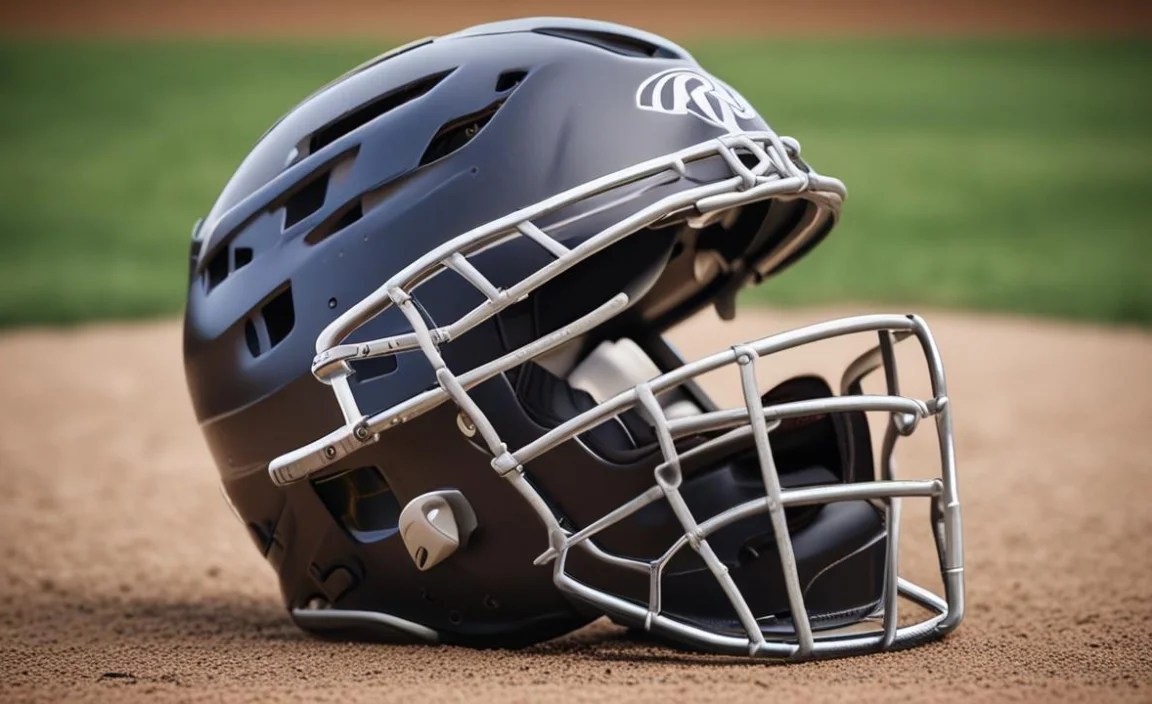
To help you visualize, here’s a table comparing some common features of Rawlings catcher’s helmet lines that you might find relevant for college play. Remember that specific features can vary by model year and price point within each series.
| Feature | Rawlings Velo Series | Rawlings Impulse Series | Rawlings Mach Series |
|---|---|---|---|
| Primary Focus | Balanced Protection & Comfort | Elite Comfort & Protection | Advanced Impact Management & Design |
| Weight | Moderate | Lightweight | Lightweight to Moderate |
| Padding | Good quality, moisture-wicking | Premium, dual-density | Premium, multi-layer |
| Cage Design | Strong, good visibility | Optimized for vision and impact | Sleek, often aggressive styling |
| Adjustment System | Dial-fit or strap-based | Advanced dial-fit or strap system | Secure, often integrated systems |
| Typical Price Range (USD) | $$ – $$$ | $$$ – $$$$ | $$$$ |
Note: Price ranges are relative and can fluctuate based on retailers and sales.
Maintaining Your Rawlings Catcher’s Helmet

Even the best gear needs care. Proper maintenance ensures your Rawlings helmet lasts and continues to provide optimal protection.
Cleaning the Helmet Shell and Cage
- Wipe Down: After each use or practice, wipe down the outer shell and cage with a damp cloth to remove dirt and sweat. Mild soap and water can be used for tougher grime.
- Avoid Harsh Chemicals: Never use abrasive cleaners, solvents, or petroleum-based products on the helmet or cage, as these can degrade the materials and compromise safety.
- Inspect for Damage: Regularly check the shell for cracks, dents, or deep scratches, and the cage for bent bars or loose connections. Any significant damage means it’s time for a replacement.
Cleaning the Padding and Liners
- Removable Padding: If your helmet has removable padding, take it out and gently wash it by hand with mild soap and cool water. Avoid machine washing or high heat, which can damage the foam.
- Air Dry Only: Always air dry the padding completely before reattaching it to the helmet. Never use a machine dryer, as the heat can warp or shrink the foam.
- Deterioration: Over time, padding can compress and lose its effectiveness. If the padding feels flat, worn out, or no longer provides a comfortable, snug fit, it’s time to look for replacement padding or a new helmet.
Storage and Transport
- Cool, Dry Place: Store your helmet in a cool, dry place away from direct sunlight, extreme heat, or moisture. High temperatures can warp plastic components, while excessive moisture can lead to rust on metal parts.
- Dedicated Bag: Use a helmet bag or keep it in your equipment bag in a way that prevents it from being crushed or scratched by other gear.
When to Consider Replacing Your Helmet
Helmets are designed to absorb impact, and after a significant hit, their protective capabilities can be compromised, even if there’s no visible damage. Consider replacing your helmet if:
- It has sustained a major impact (e.g., a severe collision, a very hard foul ball directly to the face).
- There are visible cracks, deep dents, or deformities in the shell or cage.
- The padding is significantly compressed, torn, or no longer provides a snug fit.
- The adjustment system is broken or no longer holds the helmet securely.
- The helmet simply feels old, worn out, or less protective than it used to.
Your safety is paramount. When in doubt, replace it. Many college athletic departments have policies on replacing protective gear after a specific period or incident.
Frequently Asked Questions About Rawlings Catchers Helmets for College
Q1: What is the most important feature in a college catcher’s helmet?
A1: The most important feature is unquestionable safety certification, such as NOCSAE approval, followed closely by a superior fit and comfort that allows you to focus on the game without distraction.
Q2: How do I know if a Rawlings catcher’s helmet will fit me properly?
A2: Look for adjustable features like dial-fit systems or ample strap adjustments. The helmet should feel snug all around your head without pressure points, and the cage should allow for clear vision. Trying it on is always the best assessment.
Q3: Are Rawlings catcher’s helmets too heavy for college players?
A3: Rawlings designs most of its college-level helmets with a balance of protection and weight in mind. Their premium lines, like the Impulse and Mach series, often use lightweight materials to minimize fatigue.
Q4: Can I use a youth catcher’s helmet for college baseball?
A4: No, youth helmets are designed for smaller heads and lower impact velocities. College play requires adult-sized helmets with more robust protection that meet higher safety standards like NOCSAE.
Q5: How often should I replace my Rawlings catcher’s helmet?
A5: While Rawlings gear is durable, it’s recommended to replace your helmet every 3-5 years with regular use, or immediately if it has sustained significant impact or shows visible damage, regardless of age.
Q6: Where can I find the latest Rawlings catcher’s helmet models?
A6: You can find the newest Rawlings catcher’s helmet models on the official Rawlings website, major sporting goods retailers such as Dick’s Sporting Goods, and specialized online baseball equipment stores.
Q7: Does the color of the Rawlings catcher’s helmet affect its performance or safety?
A7: No, the color of the helmet does not impact its performance or safety. The color is purely an aesthetic choice. Safety and fit are determined by the design, materials, and construction.
Conclusion: Gear Up with Confidence
As you step up to the college baseball plate, your catcher’s helmet is more than just a piece of equipment; it’s your guardian. Rawlings understands the demands of the game and has developed catcher’s helmets that offer top-tier protection, exceptional comfort, and the durability needed for a demanding season. By considering safety standards, fit, cage design, and the specific features of models like the Velo, Impulse, and Mach series, you can confidently select a Rawlings helmet that will keep you safe and performing at your best.
Remember to care for your gear, and don’t hesitate to replace it when it’s time. Investing in the right protection is an investment in your game and your future on the diamond. Stay safe out there, train hard, and enjoy every moment of the college game!
