Rawlings catchers knee savers are essential for protecting young athletes’ knees during long games and practices. This guide compares top Rawlings models, highlighting their features, benefits, and ideal player types to help you choose the best protection for your catcher.
Rawlings Catchers Knee Savers Comparison: Must-Have Protection

As a catcher, your knees take a beating. Blocking pitches, squatting for hours, and diving after foul balls can lead to soreness, pain, and even injury. That’s where catcher’s knee savers come in – they add an extra layer of padding and support right where you need it most.
If you’re a young player trying to get better, or a parent or coach looking for the best gear, you’ve probably heard about Rawlings. They make some of the most popular catcher’s gear out there, and their knee savers are no exception. But with a few different options, which one is right for you? We’re here to break it down, making it super easy to find the perfect pair to keep your knees happy and healthy on the field.
Why Catchers Need Knee Savers

Think about it: a catcher spends more time in a squatting position than almost any other player. This constant pressure on the knee joints can be tough. Add in the jarring impact of blocking a fastball or the strain of quick movements, and you’ve got a recipe for discomfort.
Knee savers are designed to:
- Absorb Impact: They act like cushions, softening the blow from blocked pitches and hard ground.
- Reduce Pressure: The extra padding helps distribute pressure more evenly across the knee, lessening the direct strain on the kneecap and surrounding joints.
- Prevent Abrasions: When you slide or dive, knee savers can protect your skin from scrapes and burns on the dirt or turf.
- Improve Comfort: Simply put, they make being in that squatting position for extended periods much more comfortable.
- Support Mobility: By reducing pain and discomfort, they allow catchers to move more freely and stay focused on the game.
For young players, especially, proper protection is key to developing good mechanics without the distraction or fear of pain. It’s about building a solid foundation and ensuring a long, healthy playing career.
Understanding Rawlings Knee Saver Technology
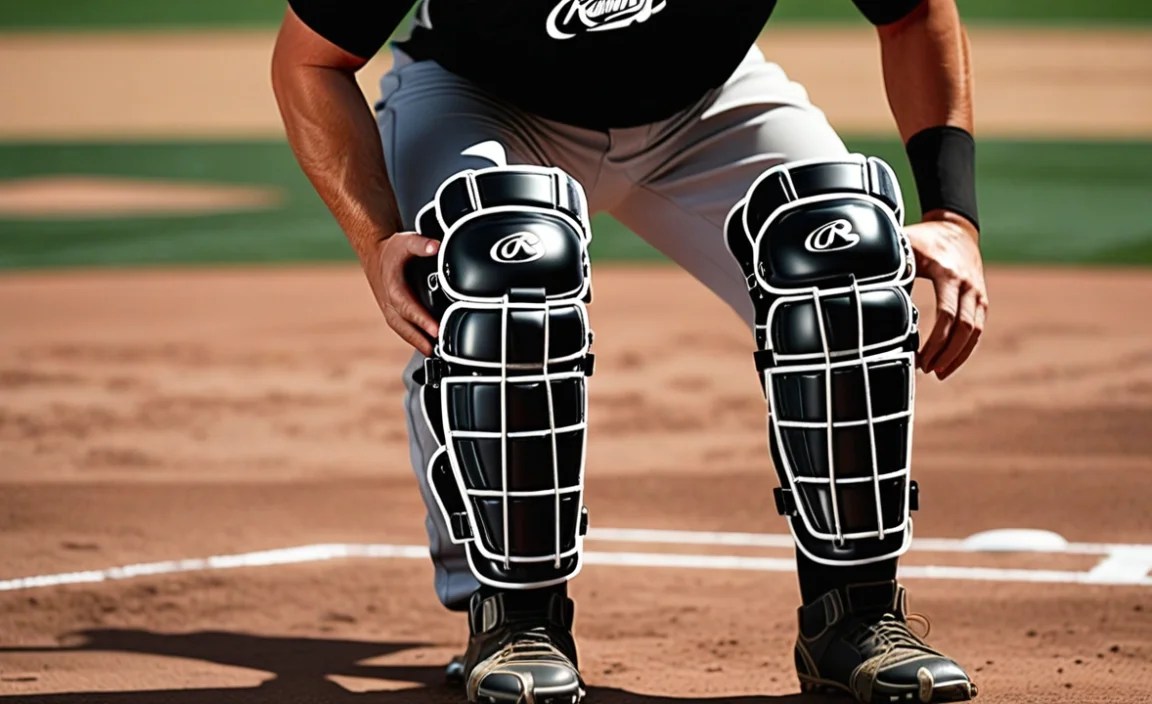
Rawlings has been a leader in baseball equipment for a long time, and they’ve put a lot of thought into their catcher’s gear. When it comes to knee savers, they focus on a few key areas:
- Padding Material: Rawlings often uses dense foam or gel inserts. These materials are chosen for their ability to take a hit and bounce back, providing consistent protection.
- Coverage Area: Good knee savers cover not just the kneecap but also the sides and often the lower part of the thigh and upper shin. This wider coverage offers protection against stray balls, bats, and slides.
- Fit and Strapping: A secure fit is crucial. Rawlings designs use adjustable straps that allow players to get a snug, comfortable fit without the savers slipping down during play. This ensures they stay in place and offer reliable protection when you need it.
- Durability: Baseball is a rough sport. Rawlings gear is built to last, using tough outer materials that can withstand the wear and tear of practices and games.
These elements work together to create a piece of protective gear that is both effective and comfortable for the catcher.
Top Rawlings Catchers Knee Saver Models: A Comparison

Rawlings offers a few variations of catcher’s knee savers, often integrated into their leg guards or sold as standalone accessories. For this comparison, we’ll focus on the most common types you’ll find, often associated with their popular leg guard systems.
Rawlings Intermediate/Youth Series Knee Savers
These are often designed for younger players or those who prefer a lighter feel. They are typically integrated into youth-specific leg guards.
- Features: Lighter padding, streamlined design, adjustable straps for a secure fit, often made with durable synthetic materials.
- Protection Level: Good for general impact absorption and comfort during games and practices.
- Ideal For: Younger players (ages 8-14), youth league catchers, players who prioritize mobility and don’t require the absolute maximum padding.
- Pros: Lightweight, won’t weigh players down, often more affordable, good entry-level protection.
- Cons: May not offer the same level of extended impact absorption as heavier-duty models.
Rawlings Adult/Pro Series Knee Savers
These are built for more advanced players and those facing higher velocities, offering maximum protection and durability.
- Features: Thicker, high-density foam or gel padding, extended coverage (including lower shin and thigh), reinforced construction, advanced strapping systems for a locked-in feel.
- Protection Level: Excellent for absorbing high-impact forces, offering superior comfort during long games and tough PITCHING.
- Ideal For: High school, college, and adult amateur league catchers, players who catch frequently, those who want the best possible protection.
- Pros: Maximum impact absorption, superior comfort, enhanced durability, extensive coverage.
- Cons: Can be bulkier and heavier, typically more expensive.
Rawlings Universal Knee Saver Pads (Accessory)
Some older or separate leg guard systems might use attachable knee saver pads. While less common with newer integrated designs, they can be a good option for upgrading older gear.
- Features: Typically sold in pairs, designed to attach via Velcro or elastic straps to existing leg guards, varying padding densities.
- Protection Level: Varies by model but generally adds a significant layer of protection.
- Ideal For: Players looking to add extra padding to their current leg guards, budget-conscious players wanting to enhance existing equipment.
- Pros: Can revitalize older gear, provides an option for customization, cost-effective way to add protection.
- Cons: Fit can be less secure than integrated systems, may shift during play if not properly secured, availability can be limited.
Key Features to Consider When Choosing
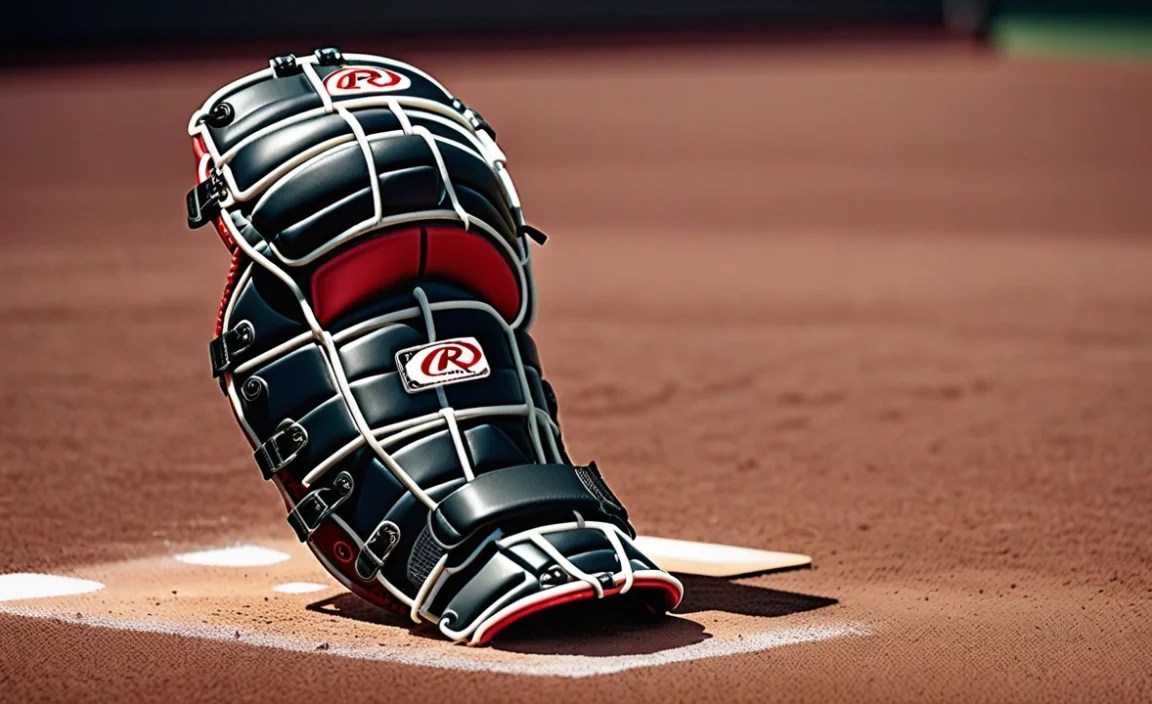
When you’re looking at Rawlings catchers knee savers, whether integrated or standalone, keep these points in mind:
- Padding Thickness and Density: Thicker and denser padding offers more impact absorption. For younger players facing slower speeds, thinner padding might be fine. For older players or those facing serious heat, go for maximum thickness.
- Coverage Area: Does it cover just the kneecap, or does it extend down the shin and up the thigh? More coverage means more protection from impacts and abrasions.
- Strap System: How many straps are there? Are they wide and adjustable? A good system keeps the savers firmly in place so they don’t slide down or bunch up.
- Material and Durability: Look for tough, breathable materials on the outside and high-quality padding inside. This ensures they’ll last through a full season.
- Comfort and Fit: Ultimately, if it’s not comfortable, you won’t wear it properly. Ensure it fits well with your uniform and doesn’t restrict your movement.
- Weight: While you want protection, you don’t want to feel weighed down. Balance the protection level with the overall weight of the gear.
How to Properly Fit and Use Your Knee Savers
Even the best knee savers won’t work wonders if they aren’t used correctly. Here’s how to make sure you’re getting the most out of your Rawlings protection:
- Try Them On with Your Leg Guards: If you’re buying an integrated set, make sure they fit comfortably with the rest of the leg guard system. If they’re separate pads, attach them to your existing guards and put the guards on.
- Secure the Straps: Adjust all the straps so they are snug but not cutting off circulation. The knee saver should stay in place when you move, squat, and even stand up quickly. Pay attention to how the straps feel – no bunching or pinching.
- Check for Coverage: Ensure the primary padding is directly over your kneecap. See how much of your lower thigh and upper shin is also covered. Adjust as needed to maximize protection.
- Move Around: Squat down, stand up, take a few steps. Do the knee savers shift? Do they impede your ability to get into your catching stance? Adjust the straps until they feel secure and comfortable during a range of movements.
- Wear Them Every Time: The best way to experience the benefits of knee savers is to wear them for every practice and game. Consistent use helps build good habits and prevents unnecessary strain.
Proper fit is crucial for both comfort and protection. If something feels off, don’t be afraid to readjust the straps. The goal is for them to feel like a natural extension of your gear, providing support without you even noticing they’re there – until you need that impact absorption!
Rawlings Catchers Knee Savers Comparison Table
Here’s a quick look at how different types of Rawlings knee savers might stack up:
| Feature | Youth/Intermediate Series | Adult/Pro Series | Universal Accessory Pads |
|---|---|---|---|
| Primary User | Young players (8-14) | High School, College, Adult Leagues | Any catcher wanting to add padding |
| Padding Thickness | Moderate | Maximum | Varies (often moderate to high) |
| Weight | Light | Heavier | Adds minimal weight |
| Coverage Area | Good | Extended (shin/thigh) | Depends on pad design |
| Durability | Good | Excellent | Varies by manufacturer/model |
| Cost | $$ | $$$ | $-$$ |
(Note: Cost is relative; actual prices will vary by retailer and specific model.)
Maintaining Your Rawlings Gear
To get the most life out of your Rawlings catchers knee savers, a little care goes a long way:
- Cleaning: After use, wipe them down with a damp cloth to remove dirt and sweat. For deeper cleaning, use mild soap and water, but avoid harsh chemicals. Always let them air dry completely – never put them in a dryer, as high heat can damage the padding and materials.
- Inspection: Periodically check the straps for wear and tear, inspect the padding for any signs of degradation (cracking, flattening), and look for loose stitching or tears in the outer material. If you notice significant damage, it might be time for a replacement.
- Storage: Store your knee savers in a cool, dry place, away from direct sunlight. If they are part of a leg guard system, store them properly so they don’t get crushed or bent out of shape. Good ventilation helps prevent odors and mold.
Following these simple maintenance tips will ensure your Rawlings knee savers continue to provide excellent protection for seasons to come. For more in-depth care instructions, you can often find guides on the official Rawlings website or through their customer service.
Are Rawlings Knee Saver Inserts Worth It?
Absolutely! Whether they come integrated with your leg guards or you add them as a separate component, Rawlings knee saver inserts are a worthwhile investment for any catcher. The added protection and comfort they provide can:
- Prevent Injuries: Reduce the risk of aches, pains, and more serious knee ailments.
- Enhance Performance: When you’re not worried about knee pain, you can focus better on calling pitches, blocking, and throwing.
- Extend Your Playing Career: Protecting your joints now can help you stay in the game longer.
Think of them as an investment in your health and your performance. They’re specifically engineered to handle the demands of the catcher position, making a noticeable difference in how you feel on and off the field.
FAQs About Rawlings Catchers Knee Savers
Q1: What is the main purpose of catcher’s knee savers?
The main purpose is to provide extra padding and shock absorption for a catcher’s knees, reducing the impact from blocking pitches, long periods of squatting, and incidental contact, thereby preventing pain and injuries.
Q2: Are Rawlings knee savers suitable for youth players?
Yes, Rawlings offers specific Youth and Intermediate series models designed with lighter padding and a sleeker profile that are perfect for younger players.
Q3: How do I know if my knee savers fit correctly?
They should fit snugly around your knees and lower thigh/upper shin area without slipping down when you move. The straps should be secure but not uncomfortable, and the main padding should be centered over your kneecap.
Q4: Can I use Rawlings knee savers with other brands of catcher’s gear?
If you are using universal accessory knee saver pads, they are often designed with Velcro or elastic straps to attach to various brands of leg guards. However, integrated knee savers are part of a specific Rawlings leg guard system.
Q5: How often should I replace my catcher’s knee savers?
Knee savers should be replaced when the padding becomes significantly compressed, flattened, or if the straps or outer material shows signs of significant wear and tear that compromises their protective function.
Q6: Do Rawlings knee savers make it hard to move?
When fitted properly, Rawlings knee savers should enhance comfort and protection without hindering natural movement. If they feel restrictive, you may need to adjust the straps or ensure they are the right size for you.
Q7: Where can I find official information about Rawlings gear?
You can find the most up-to-date information, product specifications, and care instructions on the official Rawlings website (https://www.rawlings.com/). They often have detailed descriptions and guides for their equipment.
Conclusion
As a catcher, your knees are one of your most important assets. Protecting them with quality gear like Rawlings catchers knee savers is not just a good idea – it’s essential for consistent performance and long-term health. Whether you’re just starting out in youth leagues or competing at higher levels, Rawlings offers options designed to provide the comfort and impact absorption you need.
By understanding the differences between the models, considering key features like padding and coverage, and ensuring a proper fit, you can make an informed choice. Don’t let knee pain sideline you. Invest in reliable protection, follow simple care routines, and keep your focus on making every play. Your knees will thank you for it, game after game.
