A perfect fit for your Rawlings® catchers knee savers is crucial for comfort and performance. This guide will show you exactly how to size them correctly, ensuring they protect your knees and help you play your best.
Welcome, ballplayers! Dealing with catcher’s gear can sometimes feel like a puzzle, and getting the right fit is key. One piece that often needs careful attention is the catcher’s knee saver. If they’re too tight, they pinch. Too loose, and they slide around, offering little protection. It’s a common frustration, but don’t worry! We’re here to make it simple. We’ll walk you through everything you need to know to find the perfect size for your Rawlings® catchers knee savers, ensuring comfort, mobility, and solid protection behind the plate.
Why Proper Sizing for Catchers Knee Savers Matters

As a catcher, your knees are constantly taking a beating. You’re blocking pitches, framing them, and transitioning quickly. The right knee savers act as a shock absorber, protecting your joints from impact and reducing fatigue. But if they don’t fit right, they can actually cause more problems. Ill-fitting savers can:
- Restrict movement, making it harder to get into your low stance or block pitches effectively.
- Cause discomfort and chafing, leading to distractions and poor gameplay.
- Offer inadequate protection, leaving your knees vulnerable to serious injury.
- Shift out of place during play, diminishing their protective benefits.
Getting the sizing right ensures they stay put, allow for full range of motion, and provide the maximum protection possible. It’s about taking care of your body so you can focus on making great plays.
Understanding Rawlings® Catchers Knee Saver Designs
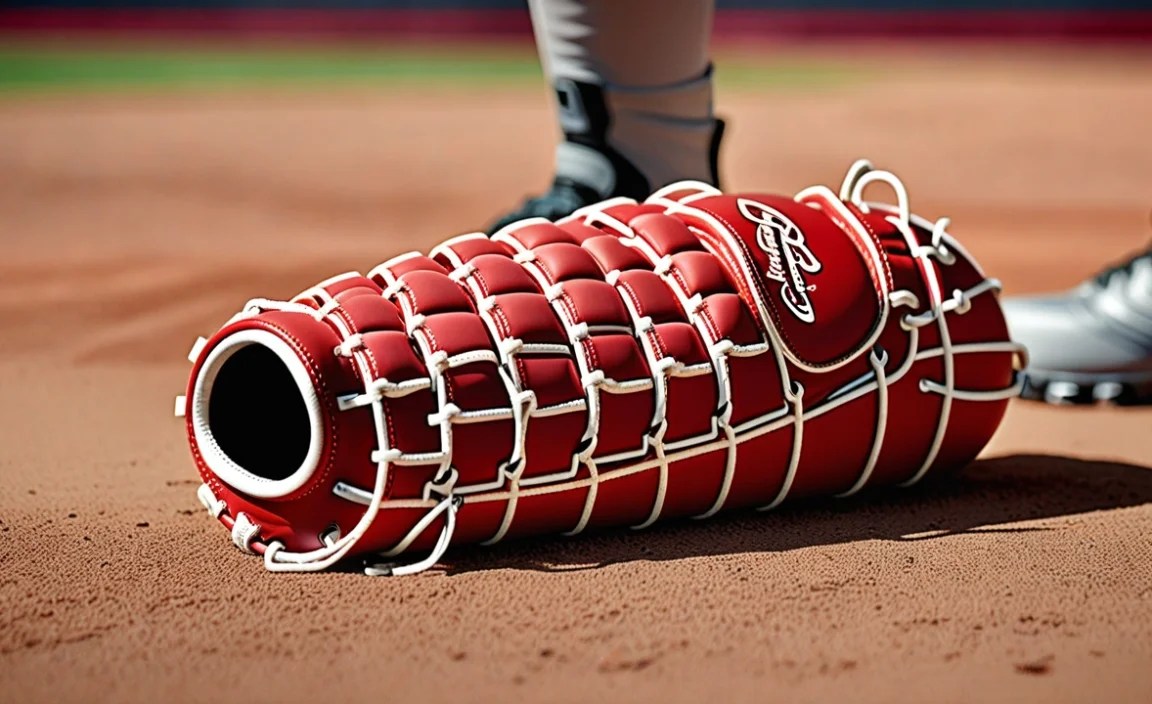
Rawlings offers a few different styles of catchers knee savers, and understanding their basic design helps when it comes to sizing. Most modern designs attach to the back of the catcher’s leg pad, often with adjustable straps. Some are integrated directly into the leg guard itself, while others are separate pieces. Regardless of the specific model, the core principle is the same: they need to hug your calf and shin snugly without being constricting. The key sizing element usually comes down to the length and circumference around your calf and below your knee.
Your Step-by-Step Guide to Sizing Rawlings® Catchers Knee Savers

Ready to find your perfect fit? Grab a flexible measuring tape – the kind used for sewing or crafting works great. If you don’t have one, a string and ruler will do the trick.
Step 1: Gather Your Measuring Tools
- A flexible measuring tape
- A pen or marker
- A piece of paper or notebook
- Your catcher’s leg guards (if possible, to see how the savers will attach)
Step 2: Measure Your Calf Circumference
This is the most critical measurement for most knee savers. You want to measure the widest part of your calf. Stand up and keep your weight evenly distributed on both feet. Place the end of the measuring tape at the widest point of your calf, bring it around, and note the measurement where it overlaps.
Step 3: Measure Your Shin Length
Next, you’ll want to measure the length from the widest part of your calf up to just below your kneecap. This helps determine if the knee saver will extend far enough up your leg for proper support without interfering with your knee joint.
Step 4: Measure Your Lower Leg Length (Optional but Recommended)
Some knee savers have straps that go around your lower shin. Measure from just below your calf muscle down towards your ankle bone. This helps ensure the strapping system will fit comfortably.
Step 5: Consult the Sizing Chart
Rawlings, like most gear manufacturers, provides sizing charts for their equipment. You’ll typically find these on the product page online or on the packaging. These charts will correlate your measurements (usually calf circumference) to a specific size (e.g., Adult Small, Adult Medium, Youth Large).
Here’s a general example of what a Rawlings sizing chart might look like. Always refer to the specific chart for the exact model you are interested in, as some variations exist.
| Size | Calf Circumference (Inches) | Calf Circumference (cm) |
|---|---|---|
| Youth Small | 10-12″ | 25-30 cm |
| Youth Medium | 12-14″ | 30-36 cm |
| Youth Large | 14-16″ | 36-41 cm |
| Adult Small | 13-15″ | 33-38 cm |
| Adult Medium | 15-17″ | 38-43 cm |
| Adult Large | 17-19″ | 43-48 cm |
| Adult Extra Large | 19+” | 48+ cm |
Pro Tip: If your measurement falls between two sizes, it’s generally better to go with the larger size. You can often tighten adjustable straps, but you can’t easily add material to make a smaller size fit.
Step 6: Consider Your Leg Guards
Sometimes, the design of your leg guards can influence the fit of your knee savers. If your leg guards have substantial padding or a snug fit themselves, you might need to account for that. Try to measure your bare leg, but if you plan to wear them over leggings or specific undergarments, measure with those on.
Step 7: Check the Straps and Adjustability
Once you have your chosen size, look at how the knee savers attach. Most Rawlings models use hook-and-loop (Velcro) straps. Ensure:
- The straps are long enough to wrap comfortably around your calf/shin.
- There’s enough adjustability to get a snug fit without pinching or tightness.
- The straps are positioned so they don’t dig into your leg when you bend it.
If you’re buying online and unsure, check product reviews for comments on sizing and strap length.
Common Pitfalls to Avoid When Sizing
Even with a measuring tape, it’s easy to make a few mistakes. Be mindful of these common traps:
- Measuring too loosely: Don’t let the tape sag. Keep it snug and flat against your leg.
- Measuring the wrong spot: The widest part of the calf is key. Don’t measure too high or too low.
- Forgetting about socks/undergarments: If you wear thick socks or compression sleeves while playing, measure with them on!
- Assuming all brands are the same: Sizing can vary between manufacturers. Stick to Rawlings’ charts for Rawlings products.
- Ignoring adjustability: Remember that straps offer some wiggle room, but they can’t compensate for a drastically wrong base size.
Trying Them On: The Ultimate Test

If you have the opportunity to try on knee savers before buying, seize it! Here’s what to do:
- Put them on with your leg guards. This is crucial to see how they integrate.
- Strap them on snugly. They should feel secure but not like a tourniquet.
- Crouch down. Can you get into a comfortable, low blocking stance? Do the savers restrict you?
- Move around. Stand up, bend your knees, and simulate some catching movements. Do they stay in place?
- Check for pressure points. Are there any areas where the padding or straps dig into your skin?
- Wear them for a few minutes. Sometimes discomfort only appears after a short while.
If you’re buying online, look for retailers with a good return policy just in case the fit isn’t quite right. It’s better to be able to exchange them than to struggle with uncomfortable gear.
Beyond Sizing: Other Factors for Choosing Knee Savers

While fit is paramount, a few other things to consider when picking out Rawlings catchers knee savers include:
- Pad Thickness and Material: Some catchers prefer thicker padding for maximum impact absorption, especially at more advanced levels. Rawlings uses different foams and plastics designed for durability and protection.
- Attachment System: Most have adjustable straps, but some might integrate differently with your leg guards. Ensure the mechanism is easy to use even with sweaty hands.
- Breathability: Catching is hot work! Some models may offer better ventilation than others, helping to keep your legs cooler.
- Durability: Look for sturdy construction. The last thing you want is for your knee savers to fall apart mid-season.
- Compatibility with Leg Guards: While most are universal, some designs might work better with specific Rawlings leg guard models.
For more in-depth information on catcher’s gear materials and construction, the National Institute of Standards and Technology (NIST) has some fascinating research into athletic equipment safety and performance, which can give you a broader understanding of why certain materials and designs are chosen.
Remember, the goal is to find knee savers that are comfortable, protective, and allow you to perform at your best. The right fit is the foundation for all of that.
Frequently Asked Questions about Rawlings Catchers Knee Savers Sizing
Here are some common questions beginner players and parents have about fitting Rawlings catchers knee savers:
Q1: How do I know if my knee savers are too tight?
If they pinch your skin, leave deep red marks after only a few minutes of wear, restrict your ability to bend your knee fully, or feel like they’re cutting off circulation, they are too tight. They should feel snug and supportive, not constricting.
Q2: Can I wear knee savers without catcher’s leg guards?
While you technically can, it’s not recommended. The knee savers are designed to attach to and work in conjunction with catcher’s leg guards. Wearing them alone might mean they don’t stay in place and the protection is compromised. They are an addition to, not a replacement for, your primary leg protection.
Q3: My measurements put me between two sizes. What should I do?
It’s generally best to choose the larger size. Rawlings catchers knee savers almost always have adjustable straps. This allows you to tighten the larger size for a perfect, snug fit. If you choose the smaller size, you might find the straps don’t reach or that the overall coverage is too small, and you can’t add length.
Q4: How often should I check the fit of my knee savers?
It’s a good idea to check the fit periodically, especially if you’ve noticed them shifting during play or if they start to feel less supportive. Also, if you’ve gained or lost weight, re-measure to ensure they still provide optimal coverage and comfort. Routinely inspect the straps for wear and tear.
Q5: Are youth sizes significantly different from adult sizes?
Yes, youth sizes are scaled down in both length and circumference to fit younger players. Always use the specific sizing chart for youth gear if you are purchasing for a younger athlete. Relying on adult charts for youth players will likely result in gear that is too large.
Q6: What if my leg shape is unusual (e.g., very muscular or very thin calves)?
If you have particularly muscular calves, you might need to size up and rely more on strap adjustability. For very thin calves, you might find that even the smallest size needs to be cinched quite tight, but as long as it’s secure and comfortable, it should work. If you’re consistently struggling, consider looking at brands known for wider or more accommodating fits.
Conclusion
Getting the right fit for your Rawlings catchers knee savers isn’t just about comfort; it’s a critical part of protecting your body and enhancing your performance behind the plate. By following these simple measuring steps and consulting the sizing charts, you can confidently select knee savers that will stay securely in place, allow for fluid movement, and provide the essential protection you need for every pitch. Remember to always prioritize snugness without constriction, and if you can, try them on before you buy. Investing a little time now to ensure a proper fit will pay dividends in comfort and confidence throughout the season. Now go out there and play ball with the peace of mind that comes with perfectly fitted gear!
