Getting the right fit for your Rawlings catchers shin guards is crucial for comfort, protection, and peak performance. Follow these simple steps to ensure a snug, secure fit: measure your leg, adjust the straps evenly, and test for mobility. A well-fitting shin guard keeps you in the game longer!
Hey there, ballplayers! Ever feel like your catcher’s gear is holding you back instead of protecting you? A lot of that comes down to how it fits, especially your shin guards. For catchers, those shin guards are your frontline defense against foul balls and slides. When they don’t fit right, they can chafe, slip, or even get in the way of your crucial movements behind the plate.
This can lead to discomfort, distraction, and even injuries. But don’t worry! Getting that perfect, secure fit for your Rawlings shin guards is easier than you think. We’re going to walk through it step-by-step, so you can focus on blocking, framing, and throwing, not on adjusting your gear. Let’s get your Rawlings shin guards feeling like a second skin!
Why Proper Shin Guard Fit Matters for Catchers

As a catcher, your role is arguably the most demanding on the field. You’re constantly moving, squatting, blocking, and throwing. Your shin guards are a major piece of that puzzle, designed to shield your legs from impact. But what happens when they’re too loose or too tight?
- Protection Compromised: If your shin guards are too big, they can shift. This means the padded areas won’t align with your shins and knees consistently, leaving vulnerable spots exposed to foul tips or impacts from runners.
- Mobility Hindered: Shin guards that are too small or ill-fitting can restrict your ability to bend your knees, slide into a block, or quickly pop up to throw. This can slow down your reaction time and make fundamental catching actions awkward.
- Discomfort and Chafing: Constantly adjusting ill-fitting gear is a distraction. Worse, rubbing and pressure points from poorly fitted shin guards can lead to blisters and painful chafing, especially during long games or practices.
- Overall Performance Impact: When you’re worried about your gear, you’re not fully focused on the game. A proper fit allows you to move with confidence, knowing you’re protected and comfortable, which directly translates to better performance.
Rawlings is known for quality catcher’s gear, and their shin guards are built with advanced designs. However, even the best gear needs to be fitted correctly to perform at its best. Think of it like a baseball bat; a comfortable grip makes a huge difference in your swing. The same applies to your catcher’s equipment.
Understanding Rawlings Catcher’s Shin Guard Anatomy

Before we get into fitting, let’s quickly look at the different parts of a typical Rawlings catcher’s shin guard. Knowing these will help you understand how they work and why the fit is important at each point.
- Shin Plate: This is the main, often hard plastic or composite, covering for your shin. Its length and coverage are key.
- Knee Wing: This part extends upwards and wraps around the side of your knee, providing additional protection and stability.
- Patella Protection: Some models have a distinct pad or extension directly covering the kneecap.
- Ankle/Foot Protection: Many shin guards include some form of protection around the ankle and potentially over the top of the shoe.
- Straps: These are the adjustable components (usually elastic with Velcro or buckle closures) that secure the shin guard to your leg.
- Lining/Padding: The inner material that provides comfort and absorbs impact.
Rawlings often incorporates innovative designs like their “Tri-Tech” or “Hyper-D” padding systems, which aim for maximum protection with less weight. The way these pieces are constructed influences how they sit on your leg and how important precise strap adjustment is.
Step-by-Step Guide: How to Fit Rawlings Catchers Shin Guards

Alright, let’s get down to business. Follow these steps to get the perfect snug fit for your Rawlings catcher’s shin guards.
Step 1: Measure Your Legs
This is the most critical first step. You need to know your dimensions to ensure you’re looking at shin guards in the right size range, and to know where the pads should sit. You’ll need a flexible measuring tape.
- Measure from your kneecap down: Have someone help you stand up straight. Place the end of the measuring tape at the very center of your kneecap.
- Measure to the top of your shoe: Extend the tape straight down your shin to where the top of your cleat or shoe sits when your foot is flat on the ground.
- Record the measurement: Write this number down. This is your “shin length” measurement.
- Measure your calf circumference: Measure around the widest part of your calf. This helps ensure the shin guard will accommodate your leg size.
Most manufacturer sizing charts, including Rawlings’, will list recommended shin guard lengths. Compare your measurement to these charts. Generally, catcher’s shin guards are sized by the length from the top of the knee to the ankle. A common range for youth is 13-15 inches, adult is 16-18 inches, and pro models can go up to 19 inches or more. For a beginner, it’s often better to err slightly larger if you’re between sizes, as you can adjust straps, but ensure the knee protection still covers your knee cap properly.
Step 2: Try Them On Correctly
Don’t just strap them on haphazardly. Put them on as if you were preparing for a game.
- Wear your baseball pants: Try on the shin guards over your baseball pants. This is how you’ll be wearing them in a game, and the fabric can affect the fit.
- Positioning is Key: Place the shin guard on your leg so that the top of the knee protector (the wing) is centered over your kneecap. It should also extend far enough up your thigh to provide adequate coverage. The bottom of the shin guard should align with the top of your shoe.
- Secure the Top Strap First: Start by fastening the uppermost strap, usually the one around your thigh. It should be snug but not so tight that it cuts off circulation or restricts your movement when you bend your knee.
- Fasten the Middle Strap: This strap typically goes around the widest part of your calf. Get this snug to hold the shin guard firmly in place against your leg.
- Secure the Bottom Strap: Fasten the lowest strap, usually around your ankle area. This helps keep the shin guard from sliding down.
Step 3: Adjust for a Snug, Secure Fit
Once the straps are initially fastened, it’s time for fine-tuning.
- Check for Gaps: Look for any significant gaps between the shin guard and your leg. The goal is for the gear to conform to your leg’s shape as much as possible.
- Even Tension: Ensure the straps are providing even pressure along your leg. You don’t want one strap digging in while another is loose.
- Test Knee Mobility: Try bending your knees fully, as if you were squatting behind the plate. Can you get into a comfortable catching squat without the shin guards digging in or restricting your range of motion?
- Simulate Game Movements: Stand up, squat down, take a few steps, and even practice a blocking motion. Does the shin guard stay in place? Does it feel stable? Does it pinch or rub anywhere when you move?
- Check the Ankles/Feet: Make sure any ankle or foot protection isn’t interfering with your ability to plant your foot or move laterally.
Step 4: The Comfort Test
Even with a secure fit, comfort is paramount.
- Wear them for a bit: If possible, wear the shin guards for 5-10 minutes while you do other things. This gives you a better sense of long-term comfort.
- Identify Hot Spots: Pay attention to any areas that feel like they might chafe or rub after a short period. Sometimes, a slight adjustment to a strap or a different pant fit can resolve this.
- Ensure Breathability: While not solely a fit issue, ensure the shin guards aren’t trapping excessive heat, which can lead to discomfort. Modern designs often have venting, but fit still plays a role.
Rawlings Catcher’s Shin Guard Sizing Chart Example
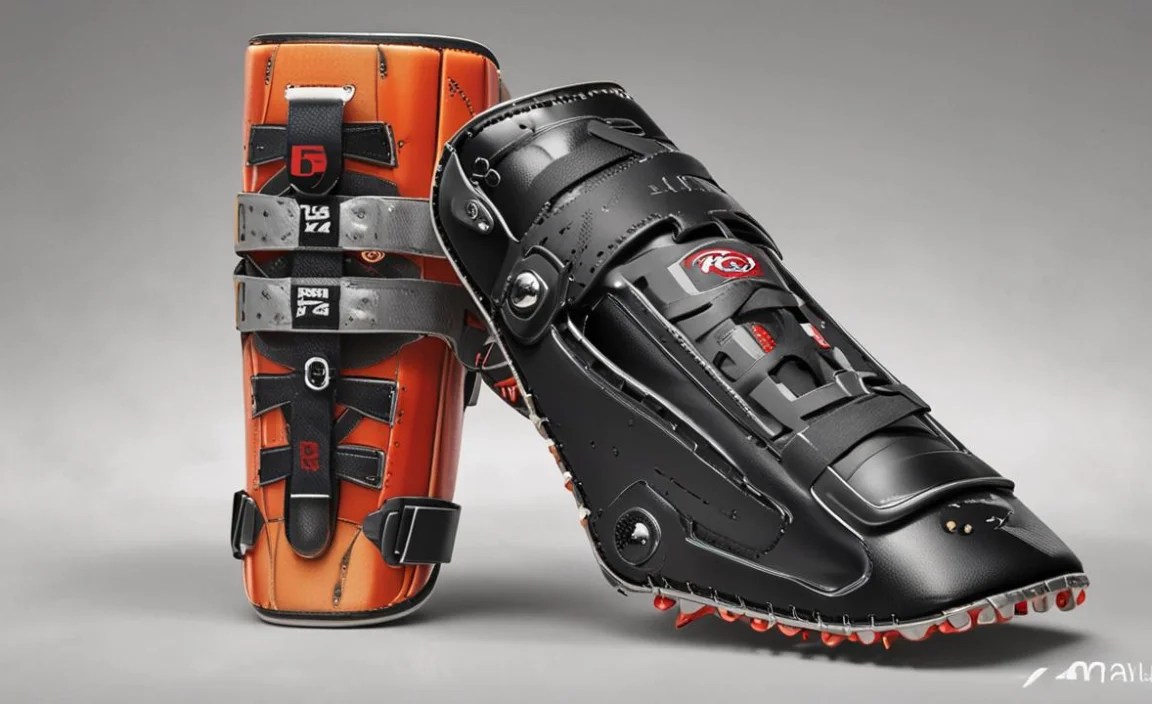
Here’s a simplified example of how sizing might look. Always refer to the specific sizing chart provided by the retailer or Rawlings for the model you are interested in.
| Shin Guard Size | Recommended Leg Length (Knee to Top of Shoe) | Typical Age/Player Type |
|---|---|---|
| Youth Small | 13 – 14 inches | Youth (8-10 years) |
| Youth Medium | 14.5 – 15.5 inches | Youth (11-13 years) |
| Intermediate | 15.75 – 16.75 inches | Young Teen/Developing Player |
| Adult Small/Medium | 16.75 – 17.75 inches | High School/College |
| Adult Large | 17.75 – 18.75 inches | College/Adult Amateur |
| Pro/Extra Large | 18.75+ inches | Advanced/Professional |
Remember, these are general guidelines. Actual measurements are always best. Your leg length is the primary factor, but calf circumference can also be important for how securely the shin guard hugs your leg.
Common Fitting Issues and How to Solve Them
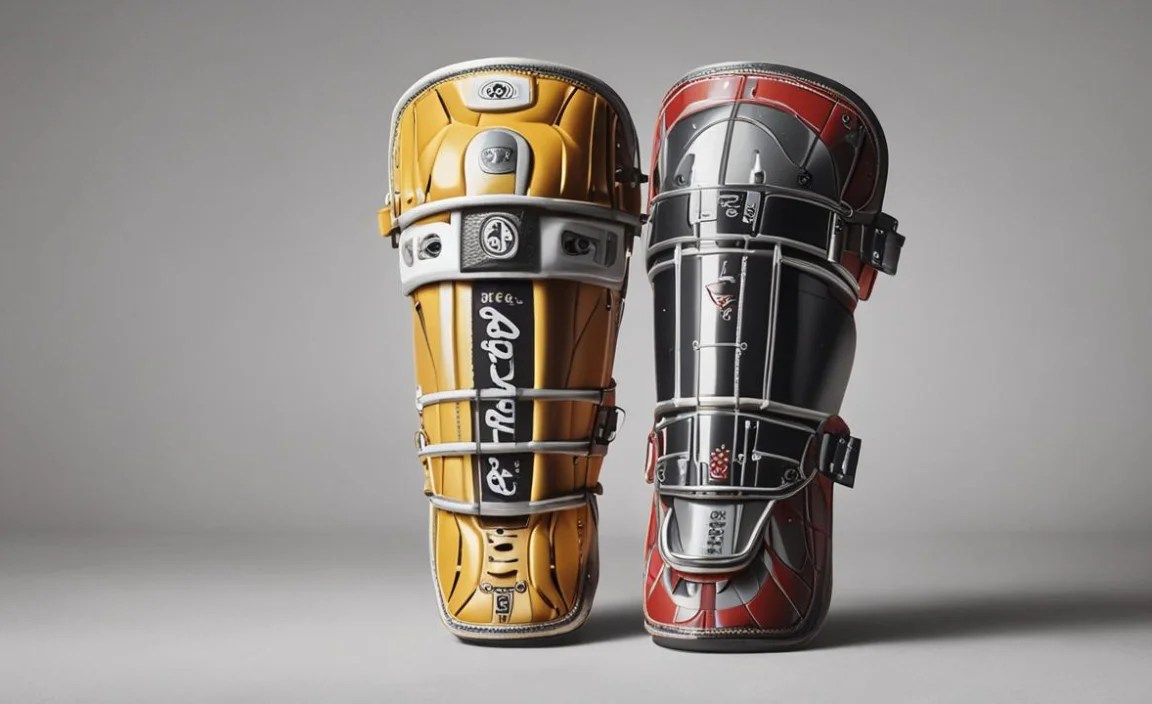
Even with a great guide, you might encounter a few quirks. Here are some common problems and simple fixes:
Issue: Shin Guard Slips Down
- Cause: Straps are too loose, or the shin guard is too long for your leg.
- Solution: Tighten all straps, starting from the top. If it still slips, the length might be an issue. Ensure straps are gripping well – sometimes the Velcro gets worn. You might also need shin guards with better grip on the inside material.
Issue: Knee Pad Doesn’t Cover Knee Cap
- Cause: Shin guard is too short or positioned too low on the leg.
- Solution: Readjust the shin guard so the knee wing fully covers and ideally cups your kneecap. If it’s still too short even when positioned correctly, you likely need a longer size.
Issue: Shin Guard Feels Too Restrictive When Squatting
- Cause: Shin guard is too tight in the calf, or the knee wing is too bulky and digs in.
- Solution: Loosen the calf straps. If that doesn’t work, the overall design might not suit your leg shape. Look for shin guards with more articulated knee joints or a slimmer profile. Adjust the top strap so it’s snug but allows for thigh flexibility.
Issue: Straps Don’t Stay Fastened
This is often due to worn-out Velcro or excessive sweat. Ensure the Velcro surfaces are clean. If they continue to come loose, consider shin guards with buckle closures, or you might need to replace the straps.
Issue: Chafing or Hot Spots
- Cause: Uneven pressure from straps, or a seam/edge rubbing.
- Solution: Adjust straps for even tension. Sometimes, wearing a thin pair of athletic socks or “sliders” under the shin guards can prevent direct irritation. Ensure the inner padding is smooth.
The Role of Your Baseball Pants in Shin Guard Fit

Don’t underestimate the impact of your pants! The type of baseball pants you wear can significantly affect how your shin guards feel and fit.
- Loose-Fit Pants: These offer more room and can sometimes bunch up or hide the shin guards, potentially affecting how you perceive the fit. They also don’t offer much compression.
- Semi-Relaxed Fit Pants: A good balance, these usually allow enough room for the shin guards comfortably without being excessively baggy.
- Knicker Style Pants: These typically end just below the knee and are worn with stirrups. While common in traditional styles, they can sometimes leave the lower shin more exposed if the shin guard doesn’t have sufficient lower coverage.
Ensure the cuff of your pants doesn’t constantly pull down on the shin guards or bunch up around your ankles. The goal is a smooth transition from your pant leg to the shin guard.
Maintenance for Longevity and Fit
Keeping your Rawlings shin guards in good condition will help maintain their fit and protective qualities.
- Cleaning: After games or practices, especially in warm weather, wipe down the exterior plastic and interior padding with a damp cloth. Use a mild soap if necessary, but avoid harsh chemicals that can degrade the materials.
- Drying: Always air dry your shin guards completely before storing them. Never put them in a dryer, as the heat can warp the plastic.
- Storage: Store them in a cool, dry place, away from direct sunlight. Avoid cramming them into a tight equipment bag under heavy items, which can lead to damage or deformation.
- Strap Care: Keep the Velcro clean. You can use a stiff brush to remove debris like dirt and grass, which helps them maintain their grip.
Proper care ensures the materials remain flexible and the straps retain their effectiveness, contributing to a consistent, reliable fit over time.
External Resources for Baseball Gear
When researching baseball equipment, it’s always helpful to consult official sources and reputable organizations. For information on player safety and general baseball guidelines, you can refer to organizations like:
- Little League International: They offer a wealth of resources on safety, equipment standards, and playing rules for young players. You can find general safety guidelines and equipment recommendations on their official website at LittleLeague.org.
- USA Baseball: As the national governing body for amateur baseball, USA Baseball provides resources for players and coaches, often touching on equipment best practices and player development. Their site is USABaseball.com.
These sites can offer broader context on why specific gear is important and how it contributes to player development and safety within the sport.
Frequently Asked Questions (FAQ) about Rawlings Shin Guard Fitting
Q1: How do I know if my Rawlings shin guards are too big?
A: If they slide down your leg even when straps are snug, if the knee pad extends too far past your knee, or if you have excessive gaps between the guard and your leg, they might be too big. You should also feel them interfering with your natural squatting motion.
Q2: Can I wear shin guards over my pants?
A: Yes, that’s the standard way to wear them. They’re designed to be worn over baseball pants. Ensure your pants aren’t so tight they restrict movement, or so loose they bunch up and create an uneven surface for the shin guards.
Q3: What if my shin guards feel weirdly stiff?
A: New gear can sometimes feel stiff. Wear them around the house for a bit, and during practices and games, they will naturally break in and mold to your legs. Gentle flexing and movement will help expedite this process.
Q4: How tight should the straps be?
A: They should be snug enough to hold the shin guard securely in place without shifting during movement. They shouldn’t cut off circulation, cause pain, or prevent you from bending your knee comfortably. Think “firmly secured” rather than “strangled.”
Q5: I’m between sizes. Should I go larger or smaller?
A: Generally, if you’re between sizes, it’s better to go with the slightly larger size if the length measurement is closer. This is because you can often tighten the straps to compensate. However, ensure the knee protection still adequately covers your kneecap. If the larger size makes the knee protection extend too far down your shin or into your foot, the smaller size might be better.
Q6: Do I need to worry about the ankle and foot protection on catcher’s shin guards?
A: Yes, it’s important. This part helps protect your ankle bone and the top of your foot from foul tips or impacts from sliding runners. Ensure this section doesn’t interfere with your.
