Rawlings shin guards are a must-have piece of equipment for any high school catcher, providing crucial protection for the legs. They help prevent injuries, improve comfort, and allow you to focus on your game. Choosing the right pair ensures you stay safe and perform at your best behind the plate.
As a high school catcher, your legs are your foundation. They absorb impact, help you block pitches, and allow you to get into quick throwing positions. Protecting them is super important, and that’s where good shin guards come in. Without them, a foul ball off the shin or an awkward slide can put you on the bench. Many players feel frustrated when they don’t have the right gear, worrying about getting hurt. But don’t sweat it! We’re going to break down everything you need to know about Rawlings shin guards, making sure you pick the perfect pair to keep you safe and confident so you can dominate behind the plate.
Why Shin Guards Are a Catcher’s Best Friend

Think of your shin guards as your personal leg armor out on the baseball field. They’re not just extra padding; they’re a critical piece of safety equipment designed to absorb the shock of foul tips, errant pitches, and collisions at home plate.
For a high school catcher, the stakes are high. You’re in a position where you’re constantly exposed to danger. A solid foul ball, even with a chest protector and mask, can easily find its way to your shins. These can range from painful bruises to more serious injuries that can sideline you for weeks. That’s why investing in quality shin guards is one of the smartest decisions you can make as a player.
Beyond just protection, good shin guards contribute to overall comfort. When you’re comfortable, you can stay focused on the game, anticipating pitches, making calls, and executing plays. You won’t be distracted by nagging pain or the fear of impact. This lets you perform at your peak, pitch after pitch, inning after inning.
The Rawlings Advantage: What Makes Them Stand Out

Rawlings is a name that rings bells in the baseball world. They’ve been making top-notch gear for a long time, and their catcher’s equipment is no exception. When you look at Rawlings shin guards, you’re looking at gear designed with players in mind, from the aspiring rookie to the seasoned veteran.
What makes Rawlings shin guards a great choice, especially for high school players? It boils down to a few key things:
- Protection Technology: Rawlings invests a lot in figuring out how to best protect players. They use advanced materials and designs to create shin guards that can handle serious impact.
- Comfort and Fit: They understand that a catcher needs to be mobile. Their designs aim for a snug but comfortable fit that doesn’t restrict movement. This means you can squat, block, and throw without feeling like you’re wearing bulky weights.
- Durability: High school baseball can be tough on gear. Kids grow, practices are frequent, and games are intense. Rawlings gear is built to last, so you can rely on it season after season.
- Brand Trust: There’s a reason Rawlings is a household name in baseball. Their reputation is built on quality and performance, giving you peace of mind when you choose their equipment.
When you’re looking at “Rawlings catchers shin guards for high school,” you’re tapping into a legacy of excellence that’s designed to help you play your best and stay safe.
Key Features to Look for in Rawlings Shin Guards

Not all shin guards are created equal, and even within the Rawlings lineup, there are different models designed to meet specific needs. Here are the essential features you should be searching for:
Impact Absorption and Protection
This is the absolute core of any shin guard. Look for:
- High-Density Foam: This is the primary material that cushions the blow. Higher density means better shock absorption.
- Plastic Shells: A hard outer shell is crucial for deflecting foul balls and distributing impact. Rawlings uses robust plastic that’s tough and durable.
- Patella Protection: The kneecap (patella) is a vulnerable area. Ensure the shin guards have dedicated padding or a reinforced design right over the kneecap.
- Extended Shin Coverage: Make sure the guards cover your entire shin, from just below the knee down to the top of your shoe.
Comfort and Fit
Protection is useless if the guards are so uncomfortable you can’t wear them properly.
- Adjustable Straps: These are a must. Look for straps that are easy to adjust and secure firmly, allowing for a customized fit. Velcro straps are common and effective.
- Liner System: A comfortable, often padded, inner liner wicks away sweat and prevents chafing. Look for removable liners for easier cleaning.
- Anatomical Design: Shin guards should contour to the shape of your leg, providing a more natural and secure fit without being too bulky.
- Ventilation: Especially important during long games and practices in warm weather. Look for vents or breathable materials to help keep your legs cooler.
Mobility and Weight
You need to be agile behind the plate. While protection is key, the guards shouldn’t weigh you down or hinder your movement.
- Lightweight Materials: Rawlings often uses advanced, lightweight plastics and foams to provide protection without excessive bulk.
- Streamlined Design: A sleek, low-profile design can help you move more freely and feel less encumbered.
- Flexibility: The guards should allow for natural leg movement when you’re squatting, blocking, or throwing.
Durability and Construction
High school gear takes a beating. You want something that will last.
- Reinforced Stitching: Good stitching means the different parts of the shin guard will stay together.
- Robust Straps: The straps should be strong and resistant to tearing.
- Quality Materials: Rawlings is known for using high-quality plastics and foams that resist cracking and degradation over time.
When considering “Rawlings catchers shin guards for high school,” pay close attention to these features to ensure you’re getting a product that will serve you well.
Popular Rawlings Shin Guard Models for High School

Rawlings offers a range of shin guards, and while models can change or have specific variations, here are some types of “Rawlings catchers shin guards for high school” that are generally well-regarded and incorporate the features we’ve discussed. Always check current product listings for the most up-to-date specifications.
Many players look for models that balance protection with a comfortable, agile feel. For high schoolers, the Rawlings RCF950 or similar series often hit this sweet spot. These tend to feature:
- Triple Knee Design: This offers enhanced protection for the kneecap area, which is critical.
- Extended Shin Protection: Meaning they cover more of your lower leg.
- Adjustable Straps for a Secure Fit: Ensuring they stay put during intense plays.
- Durable Construction: Built to withstand the rigors of a baseball season.
Let’s look at a hypothetical breakdown that illustrates typical features you might find:
| Feature | Model A (Example: RCF950 Series) | Model B (Example: LXT Series – if applicable for catchers) | Why It Matters |
|---|---|---|---|
| Primary Protection Material | High-impact plastic shell with dense foam padding | Lightweight, reinforced plastic with adaptive foam | Absorbs foul tips and distributes force effectively. |
| Knee Protection | Triple knee design with extra padding | Integrated, articulated knee guard | Vital for preventing direct knee impacts. |
| Coverage Area | Extended shin and knee coverage | Full shin coverage, good for various leg sizes | Ensures no vulnerable areas are left exposed. |
| Straps | 3 adjustable, wide Velcro straps | 2 adjustable straps with elastic inserts | Provides a secure, customizable fit that won’t slip. |
| Ventilation | Strategic vent ports | Breathable liner and perforations | Helps manage heat and moisture for comfort. |
| Weight | Medium-light | Lightweight | Allows for agility and quick movements. |
| Target Player | All-around high school catcher | Catcher prioritizing speed and mobility | Helps match gear to your playing style. |
When comparing different “Rawlings catchers shin guards for high school,” these types of details can help you pinpoint the best fit for your game, your comfort, and your budget. Always check product descriptions for the most current details on specific models.
How to Properly Adjust and Wear Your Rawlings Shin Guards

Getting the right shin guards is only half the battle. Properly adjusting and wearing them ensures they offer maximum protection and comfort. Here’s a step-by-step guide:
Step 1: Understand the Components
Your shin guards will typically have a hard outer shell, padding inside, and adjustable straps. Familiarize yourself with these parts before you start fitting.
Step 2: Orient the Guards
Identify the left and right guard (they are usually specific). The primary padding and shell should wrap around your shin and knee. Note where the knee support area is.
Step 3: Initial Fitment
Put on your baseball pants. Then, place the shin guards over your shin and kneecap. The top of the guard should sit comfortably just below your kneecap, and the bottom should extend down towards your ankle, ideally ending just above your cleat’s tongue.
Step 4: Secure the Straps
Rawlings shin guards usually have multiple straps, often with Velcro. Start by fastening the top strap (often around the calf), then the middle strap (around the shin), and finally the bottom strap (near the ankle). Adjust each strap so it’s snug but not cutting off circulation. You should be able to flex your leg comfortably.
Step 5: Check for Gaps and Slippage
Move around. Squat, stand up, and take a few steps. Do the guards feel secure? Is there any significant wobbling or feeling like they might slide down? Adjust the straps as needed. You don’t want any large gaps between the top of the guard and your leg or between the guard and your shoe, as these can be entry points for impact.
Step 6: Ensure Unrestricted Movement
While snugness is important for protection, you shouldn’t feel restricted. You need to be able to squat deeply to block pitches and quickly pop up to throw. If the guards feel too tight or stiff, loosen them slightly or consider if the size is appropriate.
Step 7: Wear with Appropriate Legwear
Some players prefer to wear compression sleeves or sweat-wicking socks under their shin guards for added comfort and to help manage sweat. This is a personal preference but can enhance the overall feel.
Step 8: Test in Practice
The best way to know if they’re fitted correctly is to wear them during drills like blocking, receiving, and even simulated batting practice foul balls. This will reveal any issues you might not notice during a simple fit test.
Properly fitted “Rawlings catchers shin guards for high school” will feel like a natural extension of your body, offering confidence and protection without hindering your performance.
When to Replace Your Shin Guards
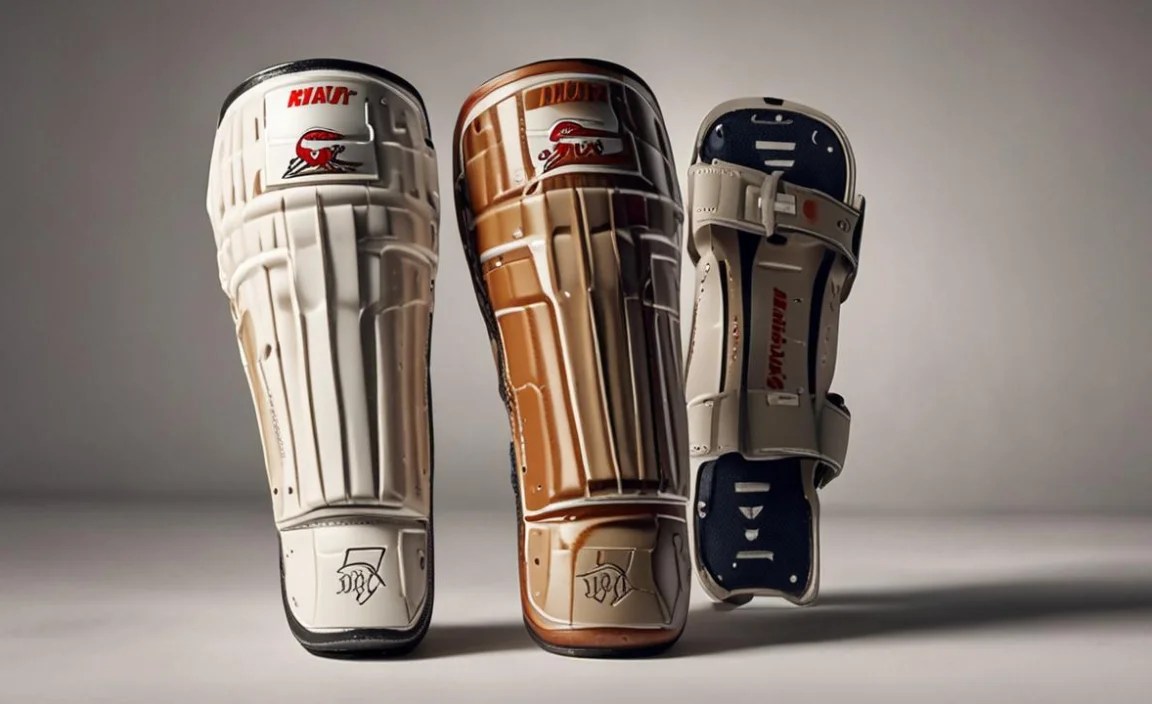
Gear doesn’t last forever, and shin guards are no exception. Recognizing when it’s time for a replacement is crucial for maintaining optimal protection.
Here are the signs that tell you it’s time to retire your old shin guards and invest in a new pair:
- Visible Cracks or Deep Grooves: If the plastic shell has significant cracks, especially on impact zones, its protective integrity is compromised. Small scuffs are usually fine, but deep damage means it’s time for new ones.
- Deteriorated Padding: The foam padding can compress over time, especially after repeated impacts. If the padding feels flat, mushy, or significantly worn down, it’s not absorbing shock as effectively.
- Loose or Broken Straps: If the straps are fraying, losing their Velcro grip, or have torn, the shin guards won’t stay in place, rendering them ineffective and potentially dangerous.
- Uncomfortable Fit: If, despite your best efforts, the shin guards no longer fit snugly, are causing excessive chafing, or feel significantly different from when you first got them, it might be a sign that they’ve lost their shape or support.
- Significant Weight Gain/Loss: If your leg size has changed dramatically due to growth or conditioning, your old shin guards might no longer provide appropriate coverage or fit.
- Hearing a Different Sound on Impact: While subjective, some players notice that worn-out shin guards don’t dampen the sound of a foul tip as much as new ones, indicating reduced shock absorption.
The American Baseball Coaches Association (ABCA) emphasizes the importance of well-maintained equipment for player safety. Regularly inspecting your gear, including your shin guards, is a proactive step in preventing injuries. For high school athletes, whose bodies are still developing and who play with high intensity, ensuring their protective gear is in top condition is paramount. Don’t wait for an injury to tell you it’s time for an upgrade.
5 FAQ: Rawlings Shin Guards for High School Catchers
Here are some common questions high school players and their parents have about Rawlings shin guards, with straightforward answers to help you make informed decisions.
Q1: Are Rawlings shin guards good for high school?
Yes, Rawlings offers excellent shin guards suitable for high school play. They are known for combining durable protection with comfort and mobility, which are key for catchers at this level. Many models are specifically designed with the needs of high school players in mind.
Q2: How do I measure for Rawlings shin guards?
While Rawlings offers various sizes, the best way to ensure a good fit is to try them on. However, a general guideline is to measure the length of your shin from the center of your kneecap to the top of your shoe. Then, find a Rawlings model that matches your leg length and ensure the coverage extends down your shin appropriately. It’s always best to also consider your shoe size and overall leg build.
Q3: Can I wear shin guards without pants?
While theoretically possible, it’s not recommended for actual games or serious practice. Baseball pants provide an additional layer of protection and help keep the shin guards in place. Playing without them can lead to chafing from the straps and potentially less secure fitting, compromising protection.
Q4: How do I clean my Rawlings shin guards?
You can usually clean your Rawlings shin guards with mild soap and water. Wipe down the exterior with a damp cloth. For the interior padding, many liners are removable and can be hand-washed and air-dried. Always check the specific care instructions for your model, as some may have different cleaning recommendations.
Q5: What is the difference between adult and youth Rawlings shin guards?
The main differences are size and typically the level of protection or feature complexity. Youth shin guards are smaller to fit younger players and may have slightly less robust padding or fewer advanced features. Adult and high school models (which often fall into a “intermediate” or “adult” size) will be larger, offer more coverage, and use higher-grade materials designed to withstand more intense play.
Q6: Do Rawlings catchers shin guards offer enough protection from fastballs?
Rawlings shin guards are designed to protect against common impacts, including foul balls and pitches thrown to the plate. However, no shin guard can guarantee protection from every single impact, especially direct hits from very high-velocity pitches at close range. They are engineered to absorb and disperse force, significantly reducing the risk of serious injury from typical catcher scenarios.
Conclusion
As a catcher, taking care of your legs is just as important as perfecting your transfer or learning signals. Rawlings shin guards offer that essential protection, combining smart design with durable materials to keep you in the game. By understanding the features to look for, how to properly fit them, and when it’s time for an update, you’re setting yourself up for a safer and more confident season. Remember, the right gear isn’t just about looking the part; it’s about performing your best and staying protected no matter what comes your way behind the plate. So gear up right, stay focused, and focus on what matters most: playing great baseball.
