Keep your legs safe, comfortable, and ready for action behind the plate. Learn how to choose, use, and maintain the right shin guards for peak performance and injury prevention, ensuring every pitch is met with confidence.
Rawlings Catchers Shin Guards: What Every Young Player and Parent Needs to Know

Standing behind home plate is a tough job, right? As a catcher, you’re in the action for every single pitch. That means foul tips, stray balls, and even sliding runners can come your way. Protecting your legs is super important, and that’s where good shin guards come in. You might be wondering, “Are these really that important?” Yes, they are! They’re like your personal safety shield, keeping you in the game and injury-free. We’ll walk through everything you need to know about Rawlings catcher shin guards, from picking the perfect pair to making sure they last. Let’s get you ready to catch with confidence!
Why Catcher Shin Guards Are a Game Changer

Think about what a catcher goes through. You’re crouched low for hours, constantly moving, and often getting hit by pitches that don’t quite make it to the mitt. Without proper protection, those foul tips can sting pretty badly, and a direct hit to the shin can really sideline you. Rawlings catcher shin guards are designed to absorb that impact. They spread the force of a blow over a larger area, significantly reducing the risk of bruises, fractures, and other serious injuries. Plus, a good pair provides comfort and stability, allowing you to focus on blocking pitches and making plays, not on pain.
According to the USSSA (United States Specialty Sports Association), proper protective gear is paramount for player safety in youth baseball. Shin guards fall under this umbrella, offering critical defense for the lower legs, a frequently exposed area for catchers.
Choosing the Right Rawlings Catcher Shin Guards

When you’re looking for Rawlings catcher shin guards, think about a few key things. You want them to fit well, offer good protection, and be comfortable enough to wear through a whole game and then some. Here’s a breakdown of what to look for:
Size Matters: Getting the Perfect Fit
Shin guards come in different sizes, and this is probably the most crucial factor. Too small, and they won’t cover your shins properly. Too big, and they might slip around or be bulky. For younger players, especially in Little League, you’ll want to look for models specifically designed for youth leagues. These are often lighter and a bit shorter.
- Youth Sizes: Typically designed for players up to around 12 years old. They focus on adequate protection without being overly cumbersome.
- Intermediate Sizes: For players transitioning from youth to the higher divisions, offering a bit more coverage and protection.
- Adult Sizes: For high school, college, and adult leagues, providing maximum coverage and robust protection.
How to Measure: A simple way to get the right size is to measure from just below your kneecap to the top of your shoe where your cleat would sit. Most manufacturers provide size charts based on these measurements.
Protection Levels: What’s Inside?
Rawlings offers shin guards with varying levels of padding and hard shell coverage. For beginners and youth players, a good balance of protection and flexibility is key. More advanced players might opt for shin guards with enhanced padding and a more robust outer shell.
- Padding: Look for dense foam or EVA padding. This is what absorbs the shock.
- Shell: A hard plastic shell is essential for deflecting impact and preventing direct blows.
- Coverage: Ensure the shin guard extends down to cover the ankle and the top of your foot where necessary.
Comfort and Adjustability
You’ll be wearing these for a long time, so comfort is non-negotiable. Shin guards should have straps that are easy to adjust and stay put. Look for breathable materials to help keep your legs cool, especially during those hot summer games.
- Straps: Velcro straps are common and easy to adjust on the fly.
- Lining: A soft, moisture-wicking liner can make a big difference in comfort.
- Weight: Lighter shin guards reduce fatigue over a long game or practice.
Popular Rawlings Catcher Shin Guard Models

Rawlings has a solid lineup of catcher’s gear, and their shin guards are no exception. Here are a couple of popular options that cater to different needs:
Rawlings RCM32 Series Shin Guards
The RCM32 series is often a go-to for many young catchers. They strike a great balance between protection, comfort, and affordability.
- Best for: Youth and intermediate players.
- Features: Durable plastic shell, ample padding for impact absorption, adjustable straps for a secure fit, and decent ventilation.
- Coverage: Typically offers good shin and ankle coverage for its size.
Rawlings Velo Series Catcher’s Gear
While the Velo series is a complete set of catcher’s equipment, the shin guards within this line are designed for performance and protection. They tend to be a bit more streamlined and athletic.
- Best for: Players looking for a more performance-oriented feel without sacrificing protection.
- Features: Often lighter weight, engineered for mobility, and designed with advanced materials for superior impact management.
- Coverage: Varies by specific model within the series, but generally robust for competitive play.
How to Properly Wear Your Shin Guards

Wearing your Rawlings catcher shin guards correctly is just as important as choosing the right pair. A poor fit or incorrect positioning can lead to discomfort and reduced protection.
- Positioning: Place the shin guard against your shins. The top of the guard should sit just below your kneecap, and the bottom should rest comfortably over the top of your shoe or cleat.
- Secure the Straps: Fasten the adjustable straps. Start with the bottom strap, then the middle, and finally the top strap. Ensure they are snug but not so tight that they restrict blood flow or movement. You should be able to flex your ankle and knee comfortably.
- Check for Gaps: Make sure there are no significant gaps between the shin guard and your leg, especially around the ankle and calf. This is where foul tips can sneak through.
- Test Your Mobility: Crouch down as if you’re in your catching stance. Can you move freely? Do the shin guards dig into your legs? Adjust the straps as needed until you feel secure and comfortable.
Pro Tip: Consider wearing athletic socks that extend high enough to prevent any strap irritation against your skin. Some players also like to wear thin leggings underneath for extra comfort and to prevent chafing.
Maintaining Your Rawlings Catcher Shin Guards

To get the most out of your Rawlings catcher shin guards and ensure they last, a little bit of maintenance goes a long way. They’re exposed to sweat, dirt, and impact, so taking care of them is key.
Cleaning Your Shin Guards
After each use, it’s a good idea to do a quick clean. This prevents sweat and dirt from breaking down the materials and keeps them from smelling.
- Spot Clean: Use a damp cloth with mild soap to wipe down the exterior and interior of the shin guards.
- Deep Clean (Infrequent): For more thorough cleaning, you can often remove the padding (check your model’s instructions). Hand wash the pads with mild soap and water. Let them air dry completely before reassembling.
- Avoid Harsh Chemicals: Never use abrasive cleaners or strong detergents. These can damage the plastic and padding.
Drying and Storage
Proper drying and storage are crucial to prevent mold, mildew, and material degradation.
- Air Dry: Always air dry your shin guards thoroughly after cleaning or any time they get wet from sweat or rain. Lay them out in a well-ventilated area, away from direct sunlight, which can fade or warp the plastic.
- Storage: Store them in a cool, dry place. Avoid cramming them into a tightly packed equipment bag where they can get misshapen or damaged. Some gear bags have specific compartments for shin guards.
Inspecting for Wear and Tear
Regularly check your shin guards for signs of damage. This is a safety issue! If straps are frayed, padding is compressed or torn, or the hard shell has deep cracks, it’s time to consider replacement.
Common Issues and Solutions
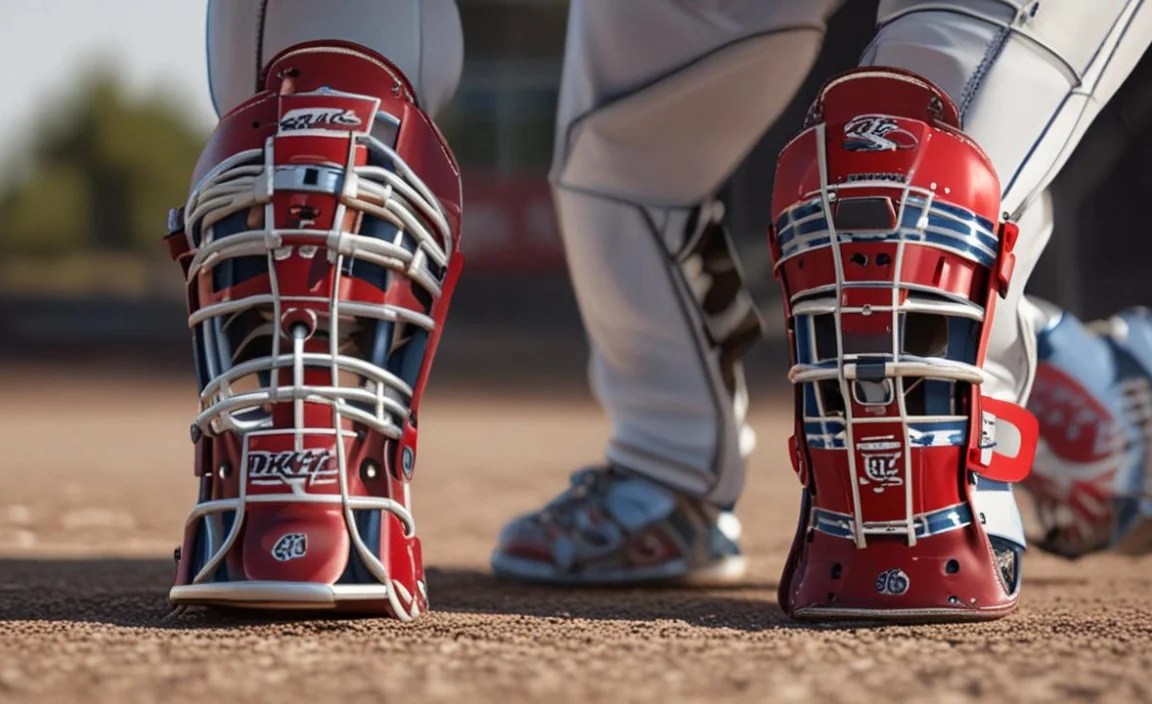
Even with the best care, you might run into a few snags. Here are some common problems and how to fix them:
Issue: Shin Guards Slipping Down
Solution: Ensure the straps are adjusted correctly and securely fastened. If they continue to slip, the elastic in the straps might be worn out, or the size might be slightly off. You might need to replace the straps or consider a different size or model.
Issue: Discomfort or Chafing
Solution: Always wear good, high athletic socks. If the chafing persists, consider adding some athletic tape or a thin compression sleeve under the shin guards. Ensure the shin guards aren’t too tight, which can also cause discomfort.
Issue: Odor Buildup
Solution: Regular cleaning and thorough air drying are essential. Use a gear deodorizer spray specifically designed for athletic equipment, or place a few dryer sheets inside the shin guards when storing them. Baking soda can also be used as a natural odor absorber.
Rawlings Catcher Shin Guards vs. Other Brands
Rawlings has a strong reputation in baseball, known for quality and durability. When comparing Rawlings catcher shin guards to other brands, consider these points:
| Feature | Rawlings | Other Brands (General Comparison) |
|---|---|---|
| Durability | Generally very durable, built to withstand the rigors of the game. | Varies widely; some are excellent, others may prioritize lightness over longevity. |
| Protection | Offers solid impact protection, with designs that balance coverage and mobility. | Can range from basic to elite protection; look for specific features like impact-absorbing foams and reinforced shells. |
| Comfort & Fit | Known for comfortable padding and well-designed strap systems for a secure fit. | Fit and comfort are subjective and depend on the specific model; many brands offer good ergonomic designs. |
| Price Point | Typically mid-range to upper-mid range, offering good value for the quality. | Can span from budget-friendly youth options to high-end professional gear. |
| Aesthetics | Classic baseball look, often available in team colors. | Wide variety of styles, colors, and designs. |
For beginner and youth players, Rawlings often provides a fantastic combination of dependable protection and reasonable cost. They are widely available and trusted by coaches and players alike. For instance, checking out resources like Little League International’s equipment guidelines can help you understand the fundamental protection needs for young athletes, where Rawlings consistently meets those standards.
Rawlings Catchers Shin Guards for Little League
When you’re outfitting a young player for Little League, safety and comfort are the top priorities. Rawlings catchers shin guards for Little League are designed with these needs in mind. They’re often lighter, shorter, and more flexible than adult models, making them easier for smaller players to wear and move in. The focus is on providing essential protection against foul tips and errant pitches without being bulky or restrictive.
These youth-specific models usually feature:
- Appropriate Sizing: Tailored to fit the legs of players typically aged 7-12.
- Adequate Padding: Sufficient to absorb impacts common in youth baseball.
- Easy-to-Use Straps: Simple for young players or parents to secure properly.
- Durable Construction: Built to withstand the rigors of a Little League season.
Choosing Rawlings for your Little Leaguer means you’re getting gear from a brand with a long history in baseball, trusted for producing reliable equipment. It’s always wise to consult your league’s specific equipment rules, but standardized protective gear like shin guards from reputable brands is almost always a safe bet.
Frequently Asked Questions about Catchers Shin Guards
Q1: How often should I replace my catcher shin guards?
A: You should replace your shin guards if they show significant signs of wear and tear, such as cracked plastic, torn padding, or ineffective straps. For active players, this might be every 1-3 seasons, depending on usage and impact. Regular inspection is key.
Q2: Can I wear shin guards for positions other than catcher?
A: While primarily designed for catchers, some players in other positions might use them for extra protection during training drills, especially if they’re practicing blocking or fielding difficult ground balls. However, they can be cumbersome for running and fielding in the field.
Q3: How do I know if my shin guards are too tight?
A: If your shin guards restrict blood flow (causing numbness or tingling in your feet), leave deep red marks on your legs after a short period, or limit your ability to bend your ankle and knee, they are too tight. Adjust the straps or consider a larger size.
Q4: Are all Rawlings catcher shin guards suitable for competitive play?
A: Rawlings offers a range of shin guards. While their youth and intermediate models provide excellent protection for those levels, more advanced or competitive adult leagues might benefit from higher-end models with enhanced padding and more robust shell designs for maximum impact absorption.
Q5: Can I put shin guards in a washing machine?
A: It is generally not recommended to machine wash catcher shin guards. The harsh agitation and heat can damage the materials, padding, and straps. Hand washing with mild soap and water, followed by complete air drying, is the best approach.
Q6: What’s the difference between catcher’s shin guards and soccer shin guards?
A: Catcher’s shin guards are much larger and offer more comprehensive protection for the entire shin, ankle, and often the top of the foot. Soccer shin guards are typically smaller and designed mainly for impact protection against kicks, with less coverage and different materials.
Conclusion
Protecting your lower legs behind the plate is not just about comfort; it’s about ensuring you can play your best and stay in the game. Rawlings catcher shin guards offer that much-needed defense, combining durable construction with thoughtful design. Whether you’re a young player stepping up to the plate for the first time in Little League or an experienced player looking to upgrade your gear, Rawlings provides a solid option for reliable protection. By understanding how to choose the right fit, wear them properly, and maintain them well, you’ll be well-equipped to handle the rigors of being a catcher. Remember, the right gear, like a good pair of Rawlings shin guards, is an investment in your performance and your safety. So get out there, trust your gear, and play ball!
