Rawlings catchers shin guards offer vital protection, safeguarding your lower legs from foul balls, errant pitches, and collisions. Choosing the right pair ensures comfort and mobility, allowing you to focus on your game with confidence. Invest in quality, and protect your most valuable assets on the field.
Hey everyone, John P. Miller here from FriskMode! Let’s talk about something super important for every catcher out there: your lower leg protection. When you’re squatting behind the plate, you naturally become a target for foul balls, wild pitches, and even fast-moving base runners. That’s where your shin guards come in.
They’re not just an accessory; they’re your first line of defense against some pretty painful encounters on the diamond. Many young players, and even some seasoned ones, might overlook the true importance of good shin guards, leading to avoidable injuries and a less enjoyable game. We’re going to break down exactly why Rawlings catchers shin guards are a top choice and what you need to know to pick the perfect pair for your game.
The Unsung Heroes: Why Catchers Need Shin Guards

Being a catcher is arguably one of the toughest jobs on a baseball field. You’re constantly in a low squat, strategizing with your pitcher, framing pitches, and being ready to block any ball in the dirt. All this action happens in a condensed area, making you vulnerable to impacts. That foul tip that comes back faster than you can react, or that slider that takes a bad hop – these are the moments where shin guards become your best friends. They absorb the shock and prevent serious bruising, cuts, or even worse, bone fractures.
Think about it: your shins are crucial for quick movements, blocking, and recovering from your crouch. Any injury here can sideline you for a significant amount of time. Rawlings, a name synonymous with baseball excellence, understands this. Their shin guards are designed with the catcher’s needs in mind, balancing maximum protection with the flexibility and comfort required for peak performance.
Understanding Shin Guard Anatomy: What to Look For

Rawlings offers a range of shin guards, and while they might look similar at first glance, subtle differences can make a big impact on your comfort and protection. Let’s break down the key components:
- Outer Shell: This is the hard, protective layer, typically made from durable plastic or composite materials. It’s the first line of defense against direct impacts. Look for sturdy construction that doesn’t feel flimsy.
- Padding: Underneath the shell, you’ll find padding. This is usually made of foam or denser materials designed to absorb shock. Good padding is crucial for comfort and reducing the force transmitted to your leg bones.
- Straps: Secure and adjustable straps are vital. They keep the shin guards in place, so they don’t shift during play, which could leave you exposed. Elastic and Velcro straps are common and offer a good fit.
- Knee Cap Protection: Many shin guards include an extendable or integrated knee cap. This extra piece is essential for protecting the kneecap, a vulnerable area for catchers.
- Shin Extension/Flaps: Some models have additional padding or flaps that wrap around the sides of your shin or extend further down. These offer enhanced protection against angled or sliding impacts.
- Ventilation: While not directly related to protection, good ventilation can make a huge difference in comfort, especially during long games or intense practices in warm weather.
Rawlings Models: A Closer Look
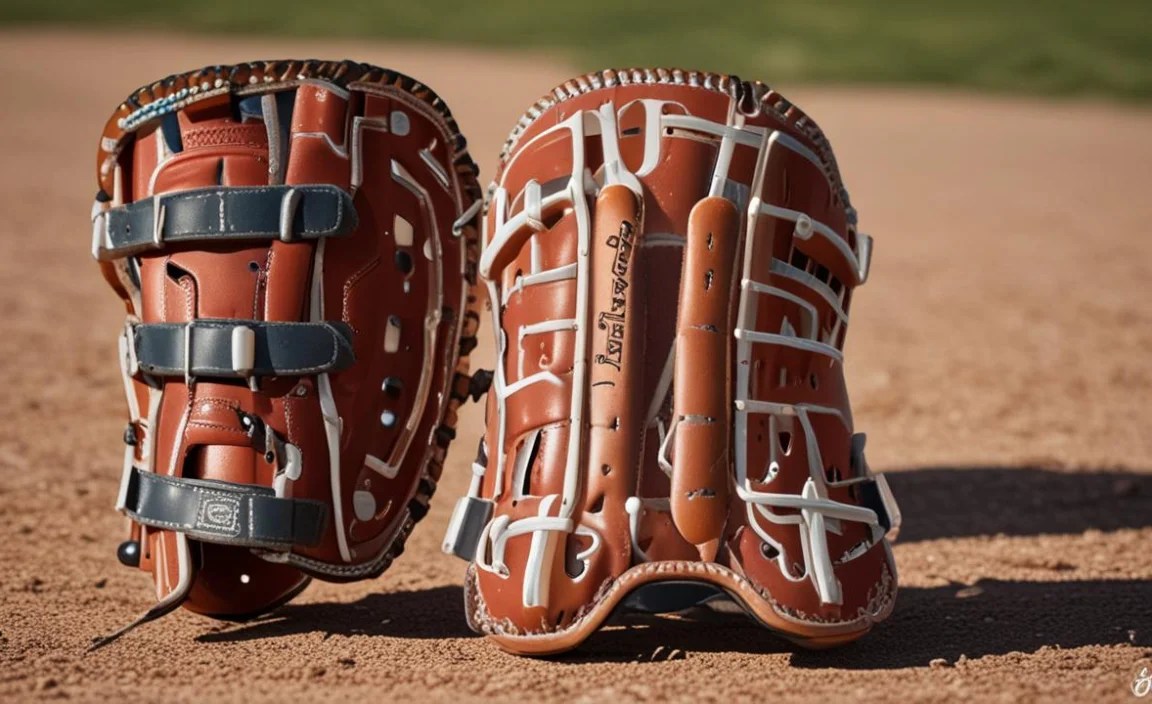
Rawlings has a solid reputation for producing reliable catcher’s gear. When it comes to their shin guards, you’ll typically find options that cater to different levels of play and budgets. While specific model names can vary year to year, here’s what you can generally expect:
For the Young Emerging Star (Youth Models)
Younger players need protection that is both effective and comfortable, without being too bulky. Rawlings youth shin guards are designed to be lighter and often come with simpler strapping systems that kids can manage themselves. They still offer robust protection against common impacts, allowing young catchers to develop their skills with confidence.
For the Developing Athlete (Intermediate/Adult Models)
As players step up to higher levels, they often need more advanced protection. Rawlings intermediate and adult shin guards typically feature:
- Enhanced Impact Resistance: Stronger shell materials and multi-density padding are common.
- Superior Coverage: Longer guards and extended knee protection provide more comprehensive shielding.
- Improved Comfort and Fit: More sophisticated strap systems and anatomical designs offer a more secure and comfortable fit for prolonged wear.
- Breathability: Many models incorporate vents to help keep you cool.
A popular series that often receives praise for its balance of protection and mobility is the Rawlings Mach series, which frequently includes advanced shin guard options. Another line to keep an eye on is the Rawlings RCM, known for its durability and solid protection.
Choosing Your Perfect Pair: A Step-by-Step Guide
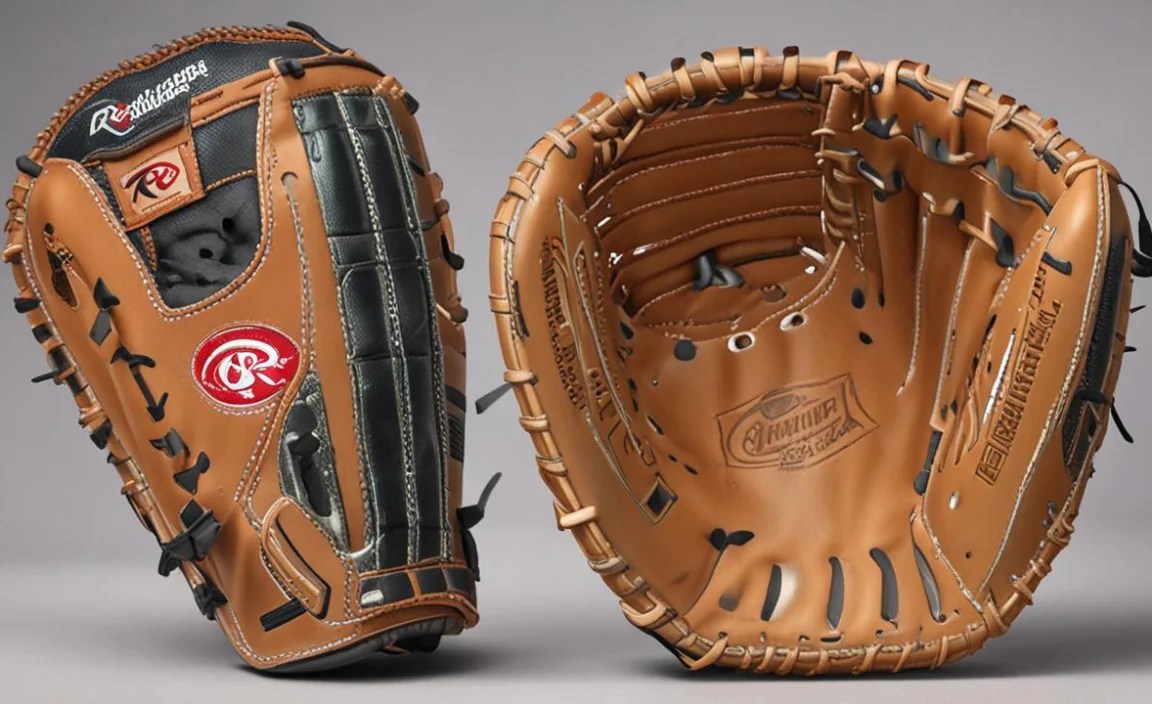
Selecting the right shin guards isn’t just about grabbing the first pair you see. It’s an investment in your safety and your game. Here’s how to make the best choice:
- Determine Your Level of Play and Age Group: Are you a youth player, high school athlete, or in college/adult league? This will largely dictate the size and level of protection needed.
- Measure Your Leg: Shin guards are sized based on leg length, usually from below the kneecap to the ankle. It’s best to measure yourself or have someone help you.
- Measure from the center of your kneecap (where the bottom of the patella is) straight down to the top of your shoe/cleat.
- Compare this measurement to the sizing charts provided by Rawlings.
- Consider Fit and Comfort: Slip the shin guards on. Do they feel secure? Do they pinch anywhere? Can you move your legs comfortably? The straps should be adjustable enough to get a snug fit without cutting off circulation.
- Assess Protection Level: For younger players, standard protection might suffice. For older, more experienced players facing higher speeds of play, look for guards with reinforced materials and extra padding, particularly around the knee and sides.
- Check for Mobility: While protection is key, you don’t want guards that restrict your ability to squat, move laterally, or get up quickly. They should feel like a natural extension of your gear, not a hindrance.
- Read Reviews and Get Recommendations: See what other catchers are saying about specific Rawlings models. Ask coaches or experienced catchers for their insights.
- Try Them On (If Possible): The best way to know if shin guards are right for you is to try them on, ideally with your catcher’s leg guards and cleats to ensure proper fit and coverage.
Key Features to Prioritize in Rawlings Shin Guards

When you’re comparing different Rawlings models, keep these crucial features at the forefront:
- Adjustable Straps: Essential for a customizable and secure fit that won’t slip during play. Look for strong Velcro or buckle systems.
- Anatomical Design: Guards that contour to the shape of your leg offer better comfort and protection.
- Extended Knee Coverage: A well-designed knee guard that integrates seamlessly with the shin guard is vital for protecting this sensitive joint.
- Durable Materials: High-impact plastics and quality padding ensure longevity and reliable protection over many seasons.
- Lightweight Construction: Modern shin guards aim for a balance of protection and weight, so you don’t feel weighed down.
The Importance of Proper Fit and Maintenance

Even the best shin guards won’t perform optimally if they don’t fit correctly. A guard that’s too loose can slip, leaving your shins exposed. A guard that’s too tight can be uncomfortable and restrict movement. Always follow the sizing guidelines.
Maintenance is also straightforward but important. After games or practices, especially in wet conditions, make sure to:
- Wipe down the exterior with a damp cloth to remove dirt and sweat.
- Allow them to air dry completely before storing them. Avoid leaving them in a damp equipment bag, as this can lead to odors and material degradation.
- Inspect the straps and buckles regularly to ensure they are in good working order.
Rawlings Catchers Shin Guards vs. Other Protection Options
While shin guards are a vital piece of equipment, they work in conjunction with other protective gear. Rawlings also produces leg guards that cover the entire leg and foot. Here’s how shin guards fit into the protective ecosystem:
| Gear Type | Primary Function | Rawlings Shin Guards Role | Key Considerations |
|---|---|---|---|
| Catcher’s Helmet/Mask | Protects head, face, and throat from pitches and batted balls. | Protects lower legs from direct impacts that might get past or below the plate. | Fit, ventilation, and visibility. |
| Catcher’s Chest Protector | Shields the chest, abdomen, and collarbone. | Works below the chest protector to cover the shins and knees. | Coverage, flexibility, and impact absorption. |
| Catcher’s Mid/Leg Guards | Protects the entire leg from knee to ankle, often including foot protection. | Are often the primary leg protection, with shin guards being an integrated or separate component. Rawlings shin guards can be integrated into their leg guards or sometimes purchased as standalone pieces for added lower leg protection or as replacements. | Full coverage, secure fit, and maneuverability. |
For most catchers, especially at the youth and intermediate levels, a good set of catcher’s leg guards that include shin guard protection is the standard. However, some players might opt for separate, more robust shin guards if they feel their current leg guards lack sufficient lower leg padding, or if they need to replace worn-out shin guard components. Rawlings designs are often made to be complementary, ensuring that their various pieces of equipment work harmoniously.
The Science Behind Impact Protection
Understanding how shin guards work can demystify their importance. The principles are rooted in physics: reducing the force of impact that reaches your bones. When a baseball, traveling at high speeds, strikes your shin guard, several things happen:
- Force Distribution: The hard outer shell spreads the impact force over a wider area of the shin guard, rather than concentrating it on a single point.
- Energy Absorption: The padding layers compress, absorbing a significant portion of the kinetic energy from the impact. Think of it like a crumple zone in a car.
- Momentum Reduction: By absorbing energy and distributing force, the shin guard effectively reduces the momentum transferred to your leg.
These principles are why using quality, well-constructed shin guards from reputable brands like Rawlings is so critical. Materials science plays a huge role. Rawlings likely utilizes advanced polymers for their shells and specialized foams for padding, engineered to withstand repeated impacts while remaining relatively lightweight. For more insight into materials and impact absorption in sports safety, resources like the National Institute of Standards and Technology (NIST) offer valuable research into athletic protective equipment and biomechanics.
Common Frustrations and How Rawlings Solves Them
It’s frustrating when gear doesn’t perform. Here are common issues catchers face with shin guards and how Rawlings tends to address them:
- Shin Guards Slipping: This is a big one. Rawlings typically uses multi-point, adjustable strapping systems (often multiple Velcro straps) designed to lock the guard securely in place.
- Knee Pain/Injury: If the knee cap protection is poor or non-existent, this is a major risk. Rawlings models often feature robust, integrated knee caps and ample padding around the knee joint.
- Discomfort During Long Games: Stiff, poorly fitting guards can cause fatigue. Rawlings focuses on anatomical designs and breathable materials to enhance comfort for extended wear.
- Lack of Mobility: Overly bulky or rigid guards hinder movement. Rawlings aims for a balance, ensuring their guards allow for the necessary range of motion to block and recover quickly.
- Durability Issues: Guards cracking or padding breaking down quickly is disappointing. Rawlings is known for building durable equipment that can withstand the rigors of baseball.
FAQ: Your Burning Questions Answered
Q1: How do I know the right size Rawlings shin guards to buy?
A1: Sizing is typically based on the length of your lower leg. Measure from the center of your kneecap down to the approximate top of your shoe or cleat. Check Rawlings’ specific sizing charts for the model you’re interested in, as measurements can vary slightly between designs.
Q2: Can I wear shin guards without my catcher’s leg guards?
A2: For competitive play, it’s highly recommended to wear complete catcher’s leg guards, which usually have integrated shin guards. Standalone shin guards are often used for extra protection or as replacements for the shin portion of worn-out leg guards. Always check league rules.
Q3: Are Rawlings shin guards comfortable for all-day wear?
A3: Rawlings designs prioritize comfort. Their shin guards often feature anatomical shaping, moisture-wicking liners, and adjustable straps for a secure, personalized fit. While comfort is subjective, Rawlings is known for producing gear that is comfortable during long games and practices.
Q4: How often should I replace my Rawlings shin guards?
A4: Shin guards should be replaced when they show signs of significant wear and tear, such as cracked plastic, flattened padding, or worn-out straps. Even without visible damage, if you notice decreased effectiveness or a loss of snugness, it might be time for an upgrade. Durability varies, but they typically last several seasons with proper care.
Q5: Can Rawlings shin guards help prevent foul ball injuries?
A5: Yes, absolutely. The primary purpose of shin guards is to absorb the impact of foul balls and errant pitches, significantly reducing the risk of bruising, cuts, and more serious injuries to your shins and knees.
Q6: What’s the difference between youth and adult Rawlings shin guards?
A6: Youth shin guards are generally sized smaller, are lighter, and may have simpler strapping systems for easier use by younger players. Adult models offer larger sizing, more robust protection with advanced materials, and features designed for the higher speeds and demands of older players.
Q7: How important is knee protection on shin guards?
A7: Extremely important. Catchers spend a lot of time in a squatting position, putting stress on their knees. Foul balls can also come back at knee level. Good shin guards have an integrated, well-padded knee cap to protect this vital joint from impacts.
Conclusion: Protect Your Stride, Own the Plate
As a catcher, your legs are the foundation of your game. They enable your quick movements, your ability to block, and your overall presence behind the plate. Investing in a quality pair of Rawlings catchers shin guards is an investment in your safety, your performance, and your passion for baseball. They are the silent guardians that allow you to play with more confidence, knowing you’re protected from the unexpected.
Don’t let discomfort or fear of injury hold you back. By understanding what to look for, how to fit them correctly, and the importance of care, you can ensure your Rawlings shin guards are a reliable part of your gear for seasons to come. Choose wisely, wear them proudly, and get ready to make those game-changing plays. Keep training smart, playing hard, and always, always protect yourself!
