Rawlings shin guards are crucial for protecting a catcher’s lower legs from foul balls and errant pitches, offering vital safety and allowing players to focus on their game with confidence.
Getting behind the plate is a tough but rewarding job. As a catcher, you’re the general of the defense, calling the shots and making big plays. But let’s be honest, it’s also one of the most physically demanding positions on the baseball field. Balls are flying, bats swing close, and you’re constantly in the line of fire. That’s why having the right gear is non-negotiable, especially when it comes to protecting those legs.
Your shins take a beating, and that’s where a solid pair of shin guards comes in. Think of them as your personal leg armor, built to absorb impacts and keep you in the game. We’re going to dive deep into why Rawlings shin guards are a top pick for so many players, what makes them so effective, and how to choose the perfect pair for your needs and comfort.
Rawlings Shin Guards: Your Ultimate Guide to Essential Protection

As a catcher, your shins are constantly exposed to danger. Foul tips, wild pitches, and even the occasional collision can inflict serious pain and injury. That’s where high-quality shin guards become your best friend. Rawlings has been a name synonymous with baseball gear for generations, and their shin guards are no exception. They’re designed with player safety and performance in mind, helping you stay protected so you can focus on making those crucial plays. Whether you’re just starting out in youth leagues or you’re a seasoned player looking to upgrade your gear, understanding the role and features of Rawlings shin guards is key. This guide will help you understand why they’re essential and how to pick out the best ones for your game.
Why Shin Guards Are a Catcher’s Best Friend

The catcher’s position is unique. You’re positioned directly behind home plate, often in a crouch, with your face and legs inches away from a speeding baseball, a swinging bat, and potentially other players. The risks are considerable, and safeguarding your lower extremities is paramount for both immediate safety and long-term health.
- Protection from Impact: The primary function is to absorb the shock from foul balls, wild pitches, and errant throws. This significantly reduces the risk of bruising, fractures, and other serious leg injuries.
- Preventing Contusions and Lacerations: Direct hits can cause painful contusions. Metal components in cleats or sharp edges on bases can cause cuts. Shin guards act as a barrier against these hazards.
- Enabling Focus and Confidence: Knowing you’re protected allows you to concentrate fully on receiving pitches, blocking balls, and making plays. This confidence is vital for peak performance.
- Durability and Longevity: Good shin guards are built to withstand repeated impacts over a season or more, meaning they’re a worthwhile investment in your safety.
The Rawlings Legacy in Catcher’s Gear

Rawlings has a long-standing reputation in baseball, crafting equipment that has been used by professionals and amateurs alike for decades. When it comes to catcher’s equipment, they are renowned for combining innovative design with durable materials. Their commitment to player safety and performance means that when you choose Rawlings shin guards, you’re opting for a product that has been tested and refined to meet the demands of the game.
Key Features to Look for in Rawlings Shin Guards
Not all shin guards are created equal. Rawlings offers a range of models, each with specific features designed to cater to different needs. Here’s what to look for:
- Material Composition: Most high-end shin guards are made with a combination of high-impact plastics (like ABS or polycarbonate) for the outer shell and dense foam padding (EVA or polyurethane) on the inside. This blend provides both rigidity for protection and cushioning for comfort.
- Coverage Area: Shin guards vary in how much of your leg they cover. Look for models that provide comprehensive protection from your knee down to your ankle, including coverage for the shin bone itself and the front of your foot (metatarsals).
- Adjustability and Fit: Shin guards are secured with straps, typically elastic or Velcro. Adjustable straps are crucial for achieving a snug, secure fit that doesn’t shift during play, preventing chafing and ensuring consistent protection.
- Ventilation: Extended periods behind the plate can get hot. Some Rawlings models incorporate ventilation channels or breathable materials to help keep your legs cooler and more comfortable.
- Weight: While protection is key, overly heavy shin guards can impede movement. Rawlings aims to balance robust protection with a design that doesn’t feel cumbersome.
- Removable Components: Some advanced models feature removable shin plates or liners, allowing for easier cleaning and maintenance, or even customization for specific needs.
Popular Rawlings Shin Guard Models for Every Player

Rawlings offers several lines of catcher’s shin guards, catering to different levels of play and budgets. Understanding these can help you make an informed choice. The specific model names and features can evolve, but generally, you’ll find options that range from entry-level protection to professional-grade shielding. For the purpose of this guide, let’s explore some common characteristics you might find across their popular lines, like the RCM32 series or their ultra-popular Mach series.
Rawlings Mach Series Shin Guards
The Mach series is often a go-to for players seeking a balance of protection, comfort, and modern design. These shin guards are typically engineered to be lightweight yet incredibly durable. Here’s what you might expect:
- Advanced Impact Absorption: Utilizes multi-layer padding and reinforced shell designs to dissipate impact energy effectively.
- Ergonomic Fit: Designed to conform to the natural shape of the leg and ankle, promoting freedom of movement.
- Breathable Liners: Often feature moisture-wicking and breathable materials to manage sweat and heat.
- Secure Strapping System: Multiple adjustable straps ensure a locked-in fit for consistent protection.
- Full Foot Coverage: Many Mach models offer extended protection for the ankles and top of the foot, crucial for blocking low pitches.
Rawlings RCM Series (Example: RCM32)
The RCM series often represents a more traditional, robust approach to catcher’s protection, sometimes favored for its proven durability and excellent coverage. These are built for those who prioritize maximum protection and a secure, almost encased feel.
- Durable Outer Shell: Typically constructed from high-strength plastics designed to withstand severe impacts.
- Generous Padding: Features thick, high-density foam padding for superior shock absorption.
- Extended Shin and Patella Guards: Offers extensive coverage to protect the entire shin and kneecap area effectively.
- Robust Straps: Often includes durable, wide straps for a secure and reliable fit, minimizing slippage.
- Traditional Design: While still modern, these might lean towards a more classic, full-coverage design.
Rawlings Youth Catcher’s Shin Guards
For younger players, safety is paramount, but comfort and ease of use are also critical. Rawlings offers specialized youth shin guards that are:
- Lighter Weight: Designed to be less cumbersome for smaller athletes.
- Simpler Strapping: Often feature easier-to-use Velcro straps for little hands.
- Appropriate Sizing: Scaled down to fit younger players comfortably and securely.
- Good Protection: Still provide essential protection against common impacts.
Choosing the Right Size and Fit

The effectiveness of any shin guard hinges on getting the right size and achieving a proper fit. Ill-fitting gear can be just as detrimental as no gear at all, leading to slippage, discomfort, and compromised protection.
Sizing Guide for Rawlings Shin Guards
Most manufacturers, including Rawlings, base their sizing on the length of the shin guard. This measurement is typically taken from the top of the knee to the bottom of the ankle or heel. Always refer to the specific sizing chart provided by the retailer or Rawlings for the model you are considering.
Generally, you’ll find sizes like:
- Youth / Small: Typically around 13-15 inches
- Intermediate / Medium: Usually in the 15-17 inch range
- Adult / Large: Often 17 inches and up
How to Measure:
- Have the player wear their baseball pants or shorts.
- Measure from the center of the kneecap down to the top of the shoe or where the toe cap of the cleat sits.
- Compare this measurement to the manufacturer’s sizing chart. It’s often best to choose a shin guard that falls in the middle to upper end of a size range to ensure adequate coverage.
Achieving a Secure Fit
- Knee Cap Alignment: The top of the shin guard should sit comfortably just below the kneecap, with the knee protector aligning correctly over the kneecap.
- Ankle Coverage: The guard should extend down to cover the ankle bones and the front of the foot sufficiently.
- Strap Tightness: Adjust the straps so the shin guards are snug against your legs. They should not be so tight that they restrict blood flow or movement, nor so loose that they can slide around.
- No Pinching or Rubbing: Ensure there are no areas where the guard pinches, rubs, or creates pressure points.
- Test Movement: Once secured, practice catching and squatting to a crouch. The shin guards should stay in place and not impede your natural movements.
Understanding the Components and Technology
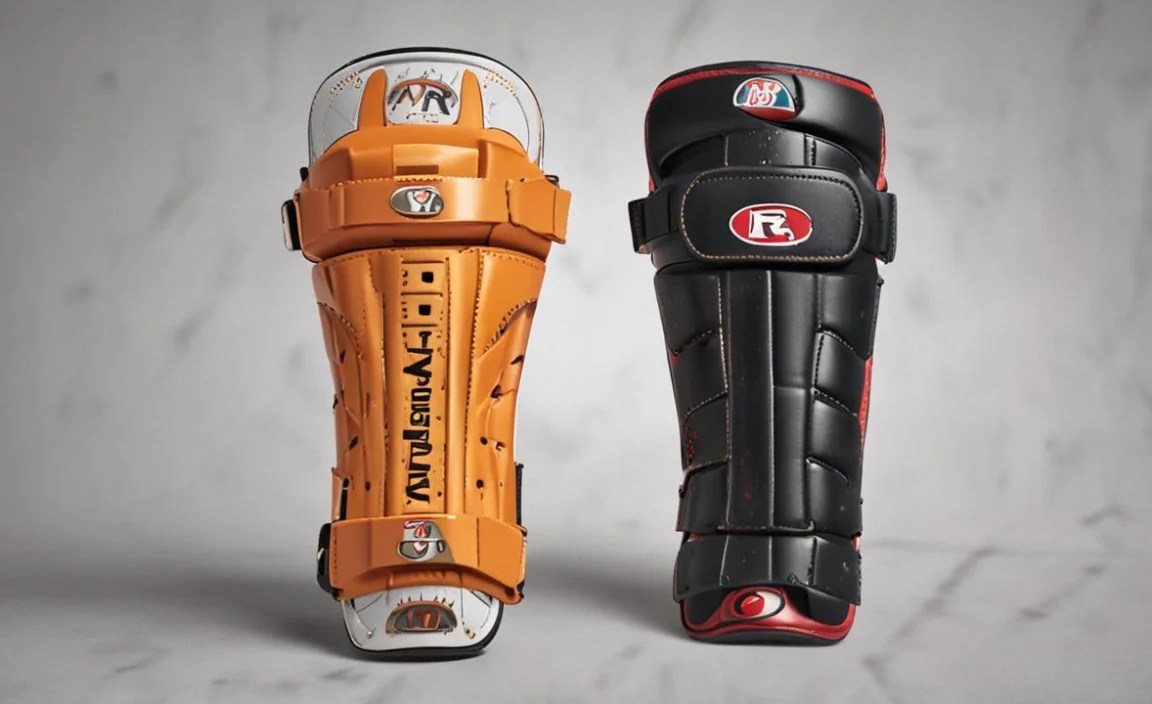
Rawlings invests in technology to enhance the protective capabilities and comfort of their shin guards. Here’s a breakdown of common components:
Outer Shell: This is the rigid, exterior layer. Rawlings often uses high-impact ABS plastic or similar advanced polymers. These materials are chosen for their ability to withstand and distribute the force of impact away from the leg.
Padding: Beneath the shell lies the cushioning. This is typically made from dense, closed-cell foam like EVA (Ethylene-Vinyl Acetate) or polyurethane. The thickness and density of this padding are critical for absorbing shock. Some higher-end models may incorporate gel inserts or multi-density foam for enhanced protection and comfort.
Inner Liner: This is the part that makes contact with the player’s leg. Rawlings often designs these liners to be moisture-wicking and breathable, helping to manage sweat and reduce the risk of chafing and heat buildup. Some liners are removable for easier cleaning.
Straps: These are crucial for keeping the shin guards in place. Rawlings uses durable elastic bands with Velcro closures, allowing for easy adjustment and a secure fit. The number and placement of straps vary by model, with more straps generally providing a more secure, customizable fit.
Patella Protection: Many Rawlings shin guards include a dedicated piece of padding or a shaped shell designed to protect the kneecap (patella). This is a common impact zone for foul balls or collisions.
Toe/Ankle Guard: Some models extend protection fully over the top of the foot (metatarsals) and ankle bones. This is particularly important for catchers who need to block pitches in the dirt.
Maintaining Your Rawlings Shin Guards
To ensure your Rawlings shin guards provide reliable protection for as long as possible, proper maintenance is essential. Taking a few simple steps can significantly extend their lifespan and keep them performing at their best.
- Cleaning After Use: After every game or practice, wipe down the exterior of your shin guards to remove dirt, mud, and sweat. A damp cloth is usually sufficient.
- Deep Cleaning: Periodically, you’ll want to do a more thorough cleaning. If the liners are removable, take them out and wash them by hand with mild soap and cool water. Rinse them thoroughly and allow them to air dry completely.
- Washing the Shells: Wipe down the plastic shells with a damp cloth. Mild soap can be used if needed, but avoid harsh chemicals or abrasive cleaners that could damage the material. Again, rinse and air dry.
- Drying: Always air dry your shin guards completely before storing them. Never put them in a clothes dryer, as the heat can warp or damage the plastic and foam.
- Checking Straps: Inspect the straps regularly for signs of wear and tear. Ensure the Velcro is still gripping effectively. If straps become stretched or damaged, they may need to be replaced.
- Storage: Store your shin guards in a cool, dry place, away from direct sunlight, which can degrade the materials over time. Using a gear bag is ideal.
Comparing Shin Guard Features: What’s Best for You?
When deciding on a pair of Rawlings shin guards, consider your specific needs as a player. Here’s a quick comparison table to highlight key decision factors:
| Feature | Beginner/Youth Player | Intermediate Player | Advanced/Competitive Player |
|---|---|---|---|
| Protection Level | Good, reliable protection. Focus on coverage and ease of use. | Enhanced protection with multi-layer impact absorption. | Maximum protection, often with reinforced shells and specialized padding. |
| Weight | Lighter to avoid hindering movement. | Balanced – protective without being overly heavy. | May be slightly heavier for maximum durability and protection, but still engineered for agility. |
| Fit & Adjustability | Simple, secure straps (Velcro often preferred). | Multiple adjustable straps for a customized, secure fit. | Advanced strap systems for a locked-in feel; ergonomic design. |
| Ventilation | Basic ventilation is helpful. | Good ventilation to manage heat and moisture. | Advanced airflow systems for optimal comfort during intense play. |
| Durability | Durable enough for regular play. | High durability for consistent use and impacts. | Built for extreme durability and high-level performance. |
| Price Point | More budget-friendly. | Mid-range. | Higher-end investments for superior features. |
Beyond Shin Guards: A Catcher’s Complete Protection System
While shin guards are indispensable, they are just one part of a comprehensive protective system for catchers. To truly safeguard yourself behind the plate, you need to consider all aspects of gear.
- Catcher’s Mask/Helmet: Protects the face, head, and throat from pitched balls and collisions. Modern helmets offer excellent protection and often incorporate chin guards and throat protectors.
- Chest Protector: Shields the chest, sternum, and collarbone area from high-velocity pitches and foul balls. A good chest protector also helps absorb impact, preventing serious injury.
- Catcher’s Mitt: Specifically designed with extra padding and a deeper pocket to absorb the impact of fast pitches and provide a secure place to catch the ball.
- Throat Protector: A crucial add-on for many masks, designed to guard the vulnerable throat area.
- Cup/Athletic Support: Essential for male players to protect the groin area from errant pitches or foul balls or collisions.
Investing in a full set of quality catcher’s gear from reputable brands like Rawlings ensures you are well-protected, allowing you to play your position with greater confidence and less worry about injury. Always ensure that all your gear fits correctly, as proper fit is as important as the protective features thems
