Looking for the best Rawlings catcher’s gear for your young player? This guide breaks down top youth catcher’s equipment, explaining what makes each piece essential for safety and performance. We’ll cover helmets, chest protectors, leg guards, and mitts, helping you choose the perfect set to build confidence behind the plate.
Rawlings Youth Catcher Gear: Your Ultimate Guide to Essential Picks

Stepping behind the plate as a catcher is a huge responsibility, and having the right gear can make all the difference. It’s not just about looking the part; it’s about staying safe, feeling comfortable, and performing at your best. For young players just starting out or looking to improve, understanding catcher’s equipment is key. Rawlings has been a staple in baseball for generations, and their youth catcher’s gear is designed with developing players in mind. This article will walk you through the most important pieces of Rawlings youth catcher’s gear, explaining why each is a vital part of a catcher’s arsenal. We’ll help you make informed decisions so your young slugger can focus on the game.
Why Choosing the Right Catcher’s Gear Matters

Catching involves a lot of impact – from fast pitches to foul tips and even collisions at home plate. Proper gear acts as a crucial barrier, protecting young athletes from injuries that can sideline them. Beyond safety, well-fitting and comfortable gear boosts a player’s confidence. When a young catcher feels secure and unrestricted, they can focus on their reads, their throws, and their game. This confidence translates directly into better performance and a more enjoyable experience on the field.
The Core Components of Youth Catcher’s Gear

A complete set of catcher’s gear typically includes several key pieces. Each component serves a specific purpose in protecting the player and allowing them to perform their duties effectively. Let’s dive into the essentials from Rawlings that every young catcher should consider.
1. The Catcher’s Helmet: Protecting the Head and Face

The helmet is arguably the most critical piece of catcher’s gear. It’s designed to protect the head, face, and throat from high-speed pitches, errant throws, and impacts with runners. Rawlings offers a range of youth helmets that balance protection with comfort and visibility.
Key Features to Look for in a Rawlings Youth Catcher’s Helmet:

- Sturdy Construction: Look for helmets with a durable outer shell made of high-impact plastic.
- Effective Padding: Inside padding should be thick and moisture-wicking to absorb impact and keep the player comfortable.
- Adjustability: Youth players grow, so adjustable straps or internal fitting systems are a big plus.
- Clear Vision: The cage or mask design should offer a wide field of vision without significant blind spots.
- Ventilation: Good airflow helps keep the player cool, especially during long games or practices.
Popular Rawlings Youth Catcher’s Helmet Models:

Rawlings provides several well-regarded youth helmet options. A popular choice is often the Rawlings R16 Youth Catcher’s Helmet. This helmet typically features a sleek design, comfortable interior padding, and a protective steel cage. It’s built for a secure fit, often with adjustment systems that make it easy for parents or coaches to ensure it’s snug on a young player’s head. Another strong contender might be models incorporating their COOLFLO® technology, designed to help with heat management.
Fit is Paramount:
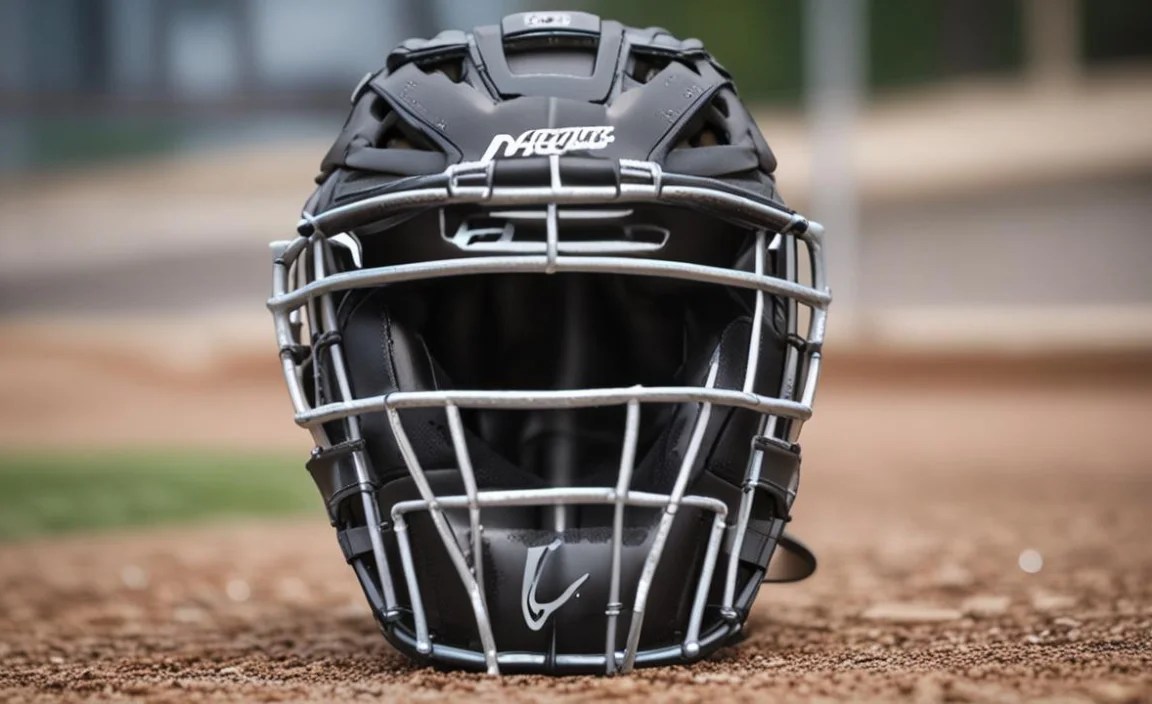
A helmet that’s too loose won’t offer adequate protection, while one that’s too tight can be uncomfortable and distracting. Always measure your young player’s head circumference and compare it to the manufacturer’s sizing chart. Many Rawlings helmets have an adjustable dial or strapping system in the back, allowing for a customized fit.
2. The Chest Protector: Shielding the Torso
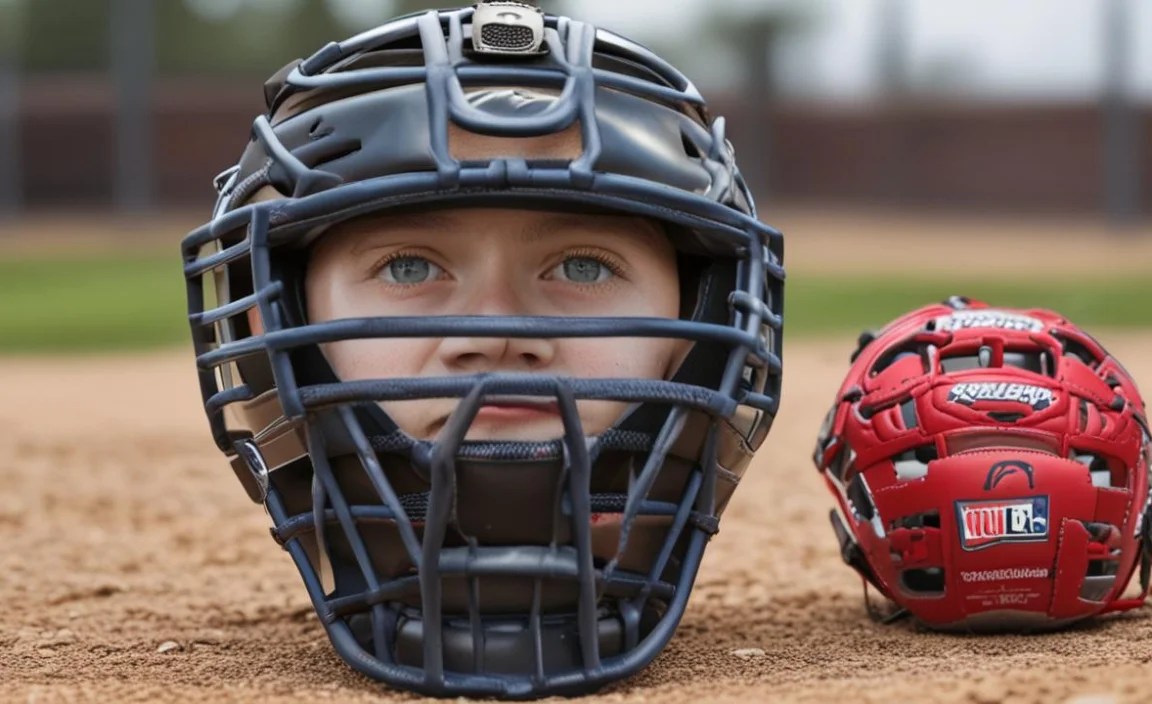
The chest protector is designed to safeguard the heart, throat, and upper abdomen from foul tips and collisions. It’s a bulky piece of equipment, but modern designs are surprisingly lightweight and flexible.
What Makes a Good Rawlings Youth Chest Protector?

- Impact Absorption: Look for dense foam padding or strategically placed internal plates that can absorb and distribute impact forces.
- Coverage: Ensure the protector covers the chest, sternum, and extends down to protect the abdomen. Throat protection is also a critical element, often a dangling piece or integrated design.
- Flexibility and Mobility: While protection is key, the chest protector shouldn’t restrict a young player’s ability to move, squat, or pivot. Materials and design play a role here.
- Breathability: Many chest protectors incorporate ventilation channels to help manage heat.
- Adjustable Straps: Securely fitting straps are essential to keep the protector in place during aggressive movements.
Rawlings Chest Protector Highlights:
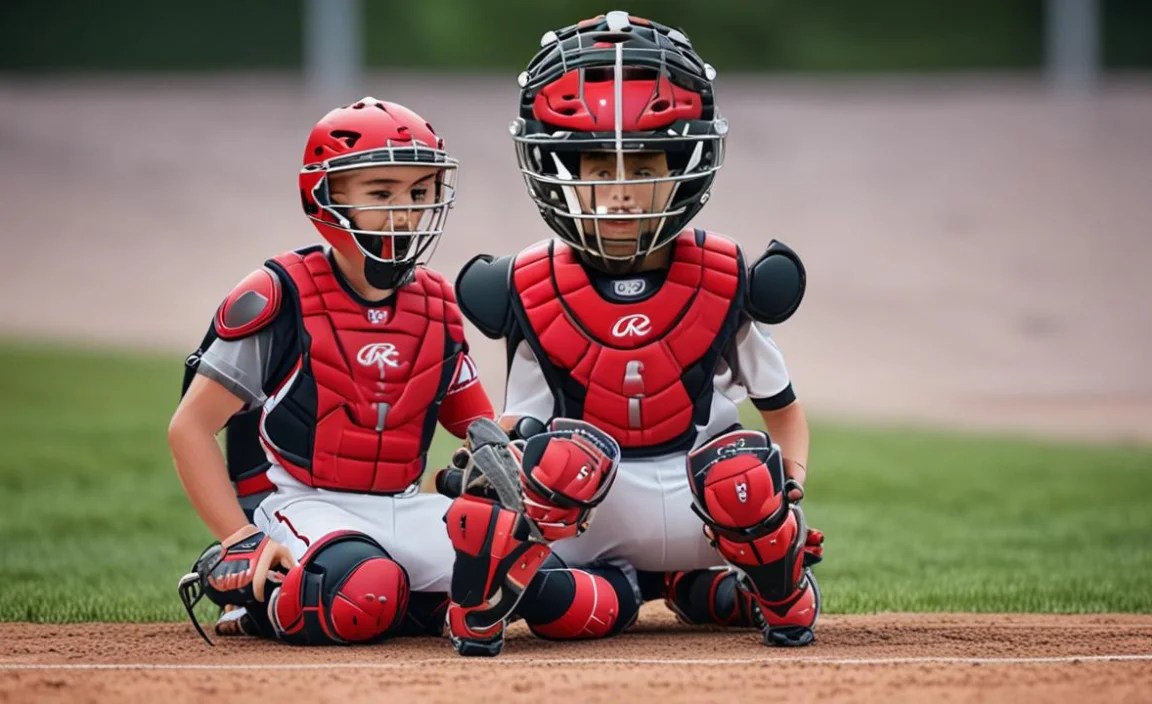
When looking at Rawlings youth chest protectors, consider models that feature their specific impact-absorbing technologies. For instance, some might use a combination of high-density foam and strategically placed plastic inserts. The focus is on providing robust protection without sacrificing mobility. The Rawlings Renegade Youth Chest Protector is often a solid, reliable option, offering good coverage and a comfortable fit for younger players. Features like adjustable shoulder and side straps help ensure a secure fit for players of various sizes.
Understanding Sizing:
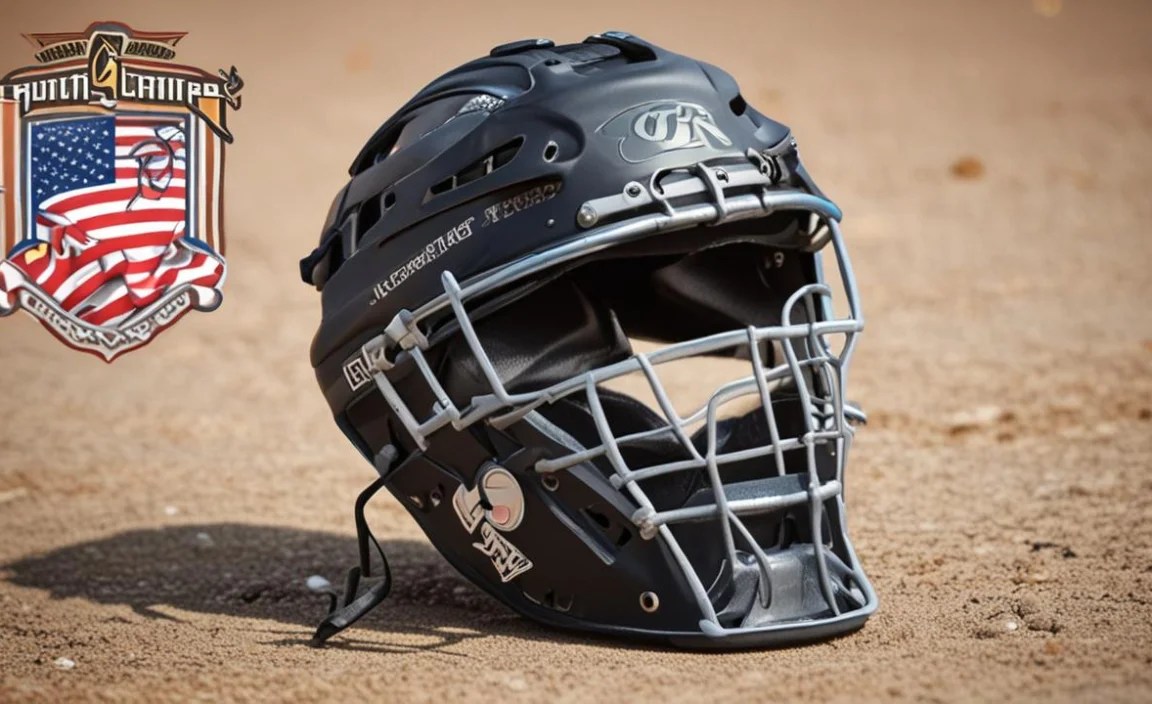
Chest protector sizing is usually based on length, measured from the collarbone down to the waist. Consult the Rawlings sizing guide carefully. A protector that’s too short leaves the lower abdomen exposed, while one that’s too long can hinder movement.
3. Leg Guards: Protecting the Knees and Shins

Leg guards are essential for protecting a catcher’s shins, knees, and ankles from foul balls, pitches in the dirt, and impacts from running bases. These are often the most durable part of a gear set.
Essential Features of Youth Leg Guards:

- Full Shin and Knee Coverage: Look for guards that extend from the top of the knee down to the toe cap, offering comprehensive protection.
- Ankle Protection: Some designs include additional padding or a molded cup for the ankle area.
- Durable Shell: A hard outer shell, typically made of high-impact plastic, is crucial for deflecting ball impacts.
- Comfortable Padding: Internal padding should be thick enough to absorb shock but not so much that it makes the guards overly bulky or hot. Look for moisture-wicking liners.
- Secure Strapping System: Multiple adjustable straps ensure the leg guards stay firmly in place, preventing them from shifting during the game and ensuring consistent protection.
Rawlings Youth Leg Guard Options:
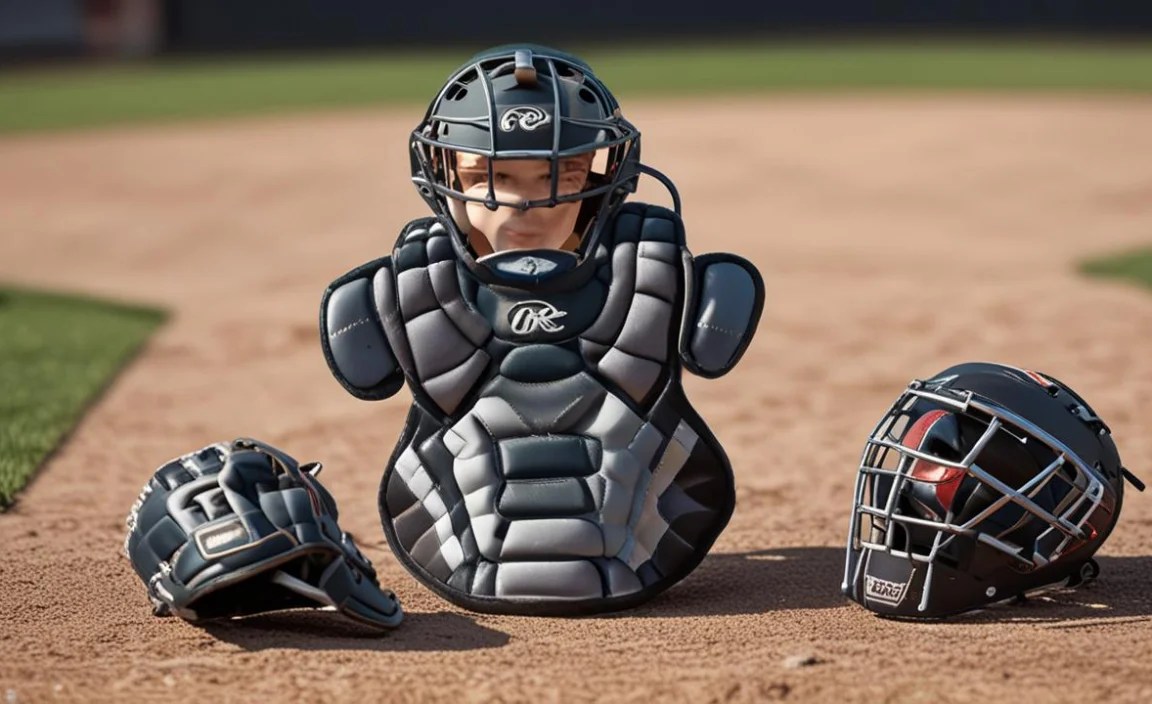
Rawlings offers various youth leg guards designed for durability and protection. Models might feature lightweight plastics for better mobility and robust padding for shock absorption. The Rawlings RCM Youth Catcher’s Leg Guards are a common recommendation, known for their solid construction and effective padding. They typically come with a system of adjustable straps that allow for a secure and personalized fit. Look for features like reinforced toe caps and articulation in the knee for freedom of movement.
Getting the Right Fit:
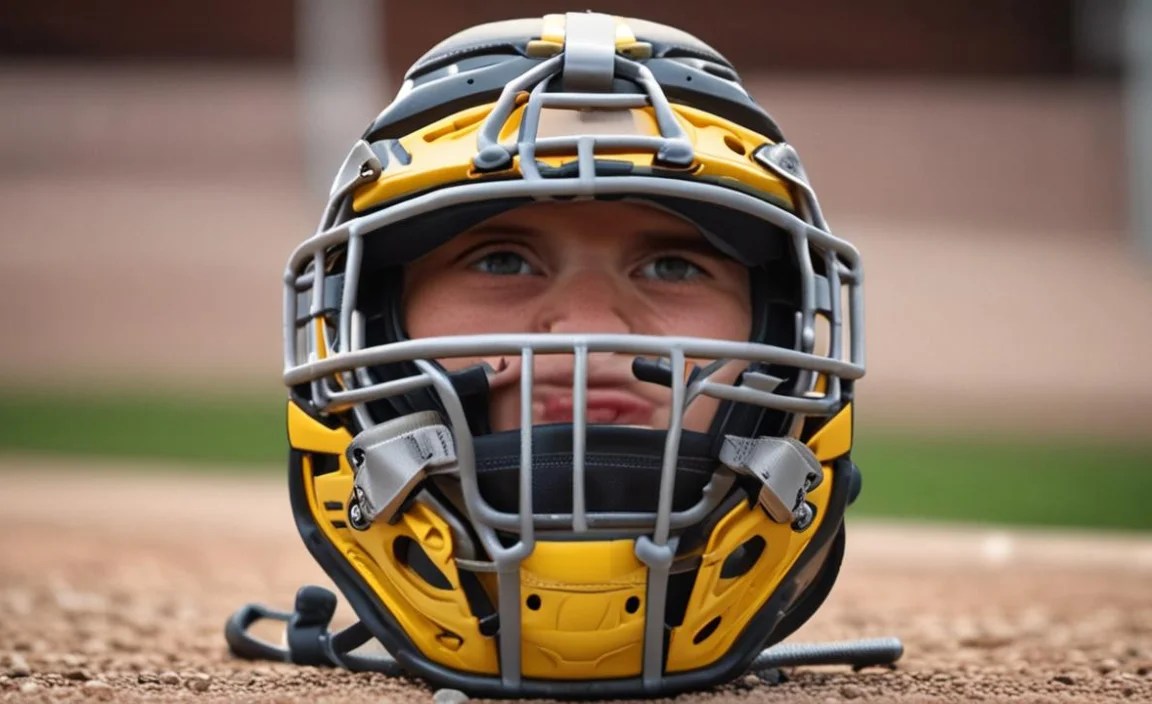
Leg guard sizing is typically based on length – from the knee to the ankle, or knee to the toe. It’s important that they fit snugly and don’t slide down. Check the Rawlings sizing chart and ensure that the knee cap of the guard properly aligns with the player’s knee.
4. The Catcher’s Mitt: The Key to Receiving Pitches

A catcher’s mitt is specialized for receiving fast pitches. Unlike a fielder’s glove, it’s larger, more padded, and has a hinged pocket designed to help secure the ball. Rawlings is renowned for its mitts.
What to Look for in a Rawlings Youth Catcher’s Mitt:

- Size: Youth mitts are smaller than adult ones, typically ranging from 28 to 32 inches in circumference. The right size makes it easier for a young player to close their glove around the ball.
- Padding: Ample padding is crucial to absorb the sting of fast pitches and protect the catcher’s hand.
- Pocket Depth: A deeper pocket helps secure the ball, preventing pitches from popping out.
- Material: High-quality leather offers durability and molds to the player’s hand over time, creating a custom fit.
- Heel and Finger Protection: Extra padding in the heel and finger stalls provides additional comfort and protection.
Top Rawlings Youth Catcher’s Mitt Picks:

Rawlings offers several premium youth catcher’s mitts. The Rawlings R9 Youth Catcher’s Mitt series is a popular choice, often made with soft, durable leather that breaks in relatively quickly. These mitts typically feature deep pockets and robust padding. Another excellent option might be a mitt from their Heart of the Hide or Select Pro Lite lines, scaled down for youth players. The key is finding a mitt that offers a good balance of protection, pocket depth, and ease of closure for a young hand.
Breaking in Your Mitt:
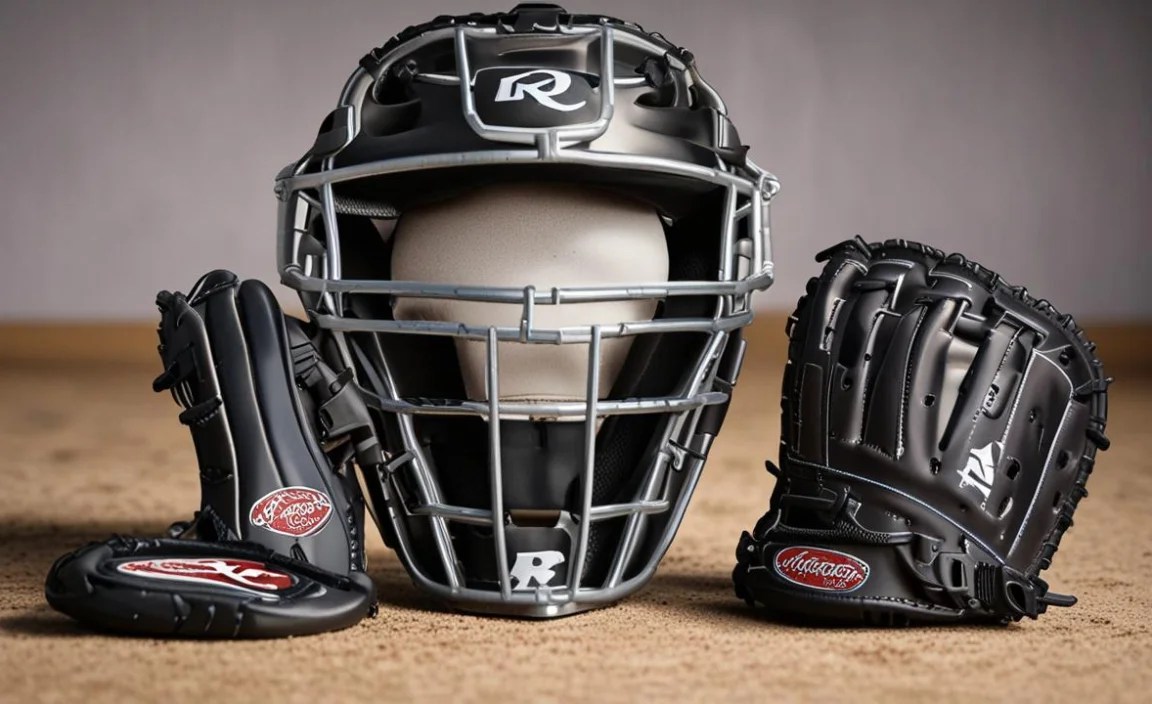
A new catcher’s mitt, especially leather ones, will need some break-in time. This can involve working the leather with glove oil or conditioner, and repeated flexing. Many players also use methods like storing a ball in the pocket overnight. Reference resources like MLB’s official site1 for general mitt conditioning tips.
5. Catcher’s and Umpire’s Shin Guards (Optional but Recommended)

While leg guards offer primary protection, some players and parents opt for additional shin guards or umpire-style shin guards for extra coverage and comfort. These can sometimes be incorporated into the primary leg guard design or worn as a separate layer.
Benefits of Additional Shin Protection:

- Enhanced Impact Resistance: More padding means more protection against foul balls and stray pitches.
- Comfort on Concrete Dugouts: Especially useful for catchers who spend a lot of time in dugouts.
- Added Security: For players who are particularly nervous about foul tips or sliding collisions.
Rawlings Offerings:
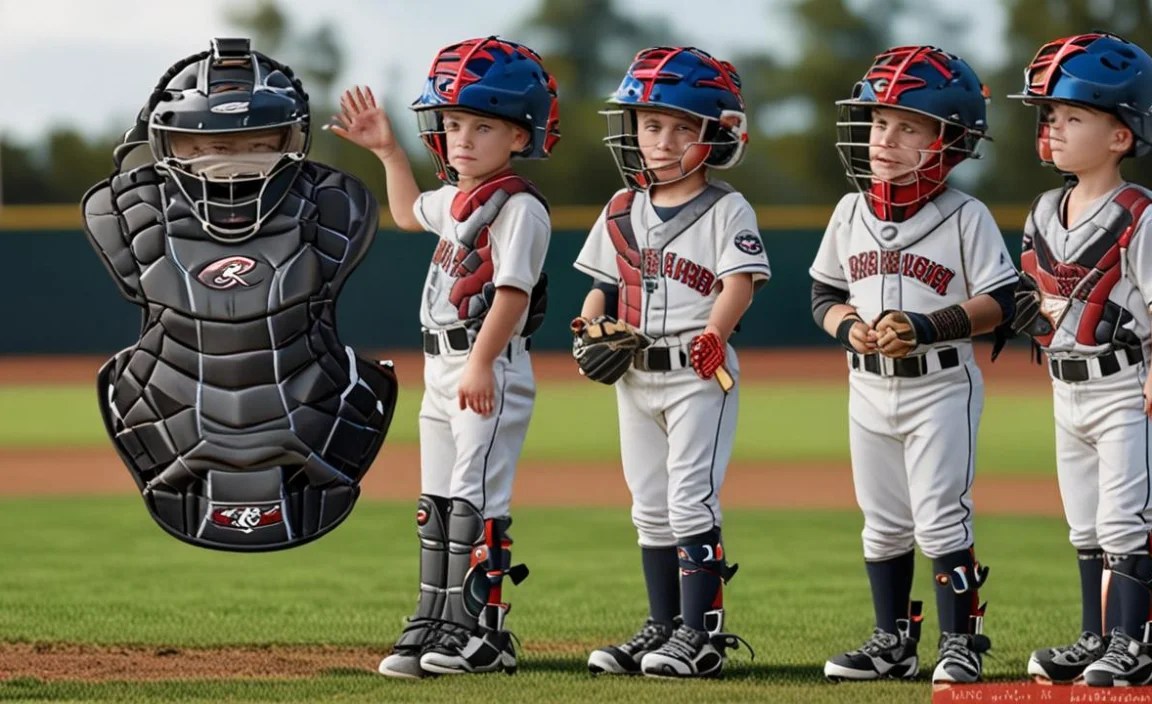
Rawlings may offer standalone shin guards or designs that integrate more detailed knee and shin protection as part of their higher-end leg guard systems. Always check the specifications of their leg guards; some are designed with layered impact zones.
6. Catcher’s Helmet Accessories: Throat Guard

Many youth catcher’s helmets come with an integrated throat guard, but it’s an essential component. If a helmet doesn’t have one or if it’s damaged, adding a replacement throat guard is vital for preventing direct impact to the throat.
Key Aspects of a Throat Guard:

- Durable Material: Typically made of hard plastic or a reinforced rubber compound.
- Flexible Attachment: Should be securely attached to the helmet but allow for some movement.
- Adequate Coverage: Must extend sufficiently to protect the throat area without obstructing vision or breathing.
Rawlings Integration:
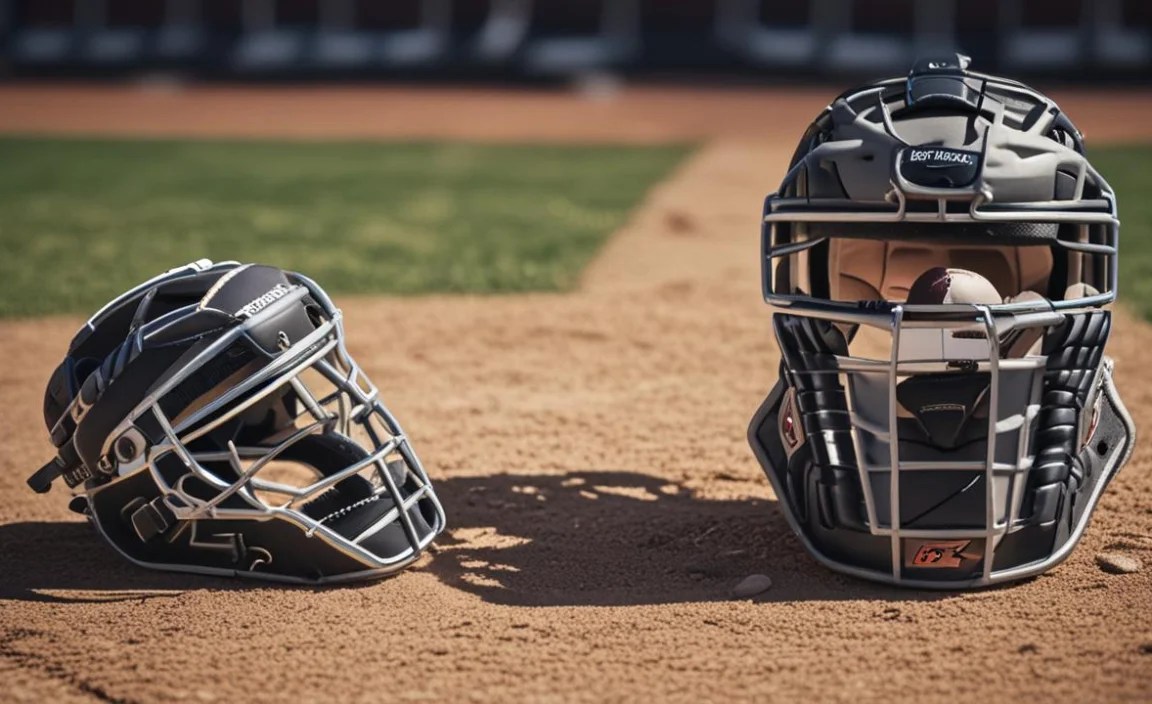
Rawlings helmets are designed with throat guards in mind. If you need a replacement, ensure it’s compatible with your specific Rawlings helmet model. The goal is to ensure there are no gaps in protection.
Putting It All Together: The Rawlings Catcher’s Gear Set

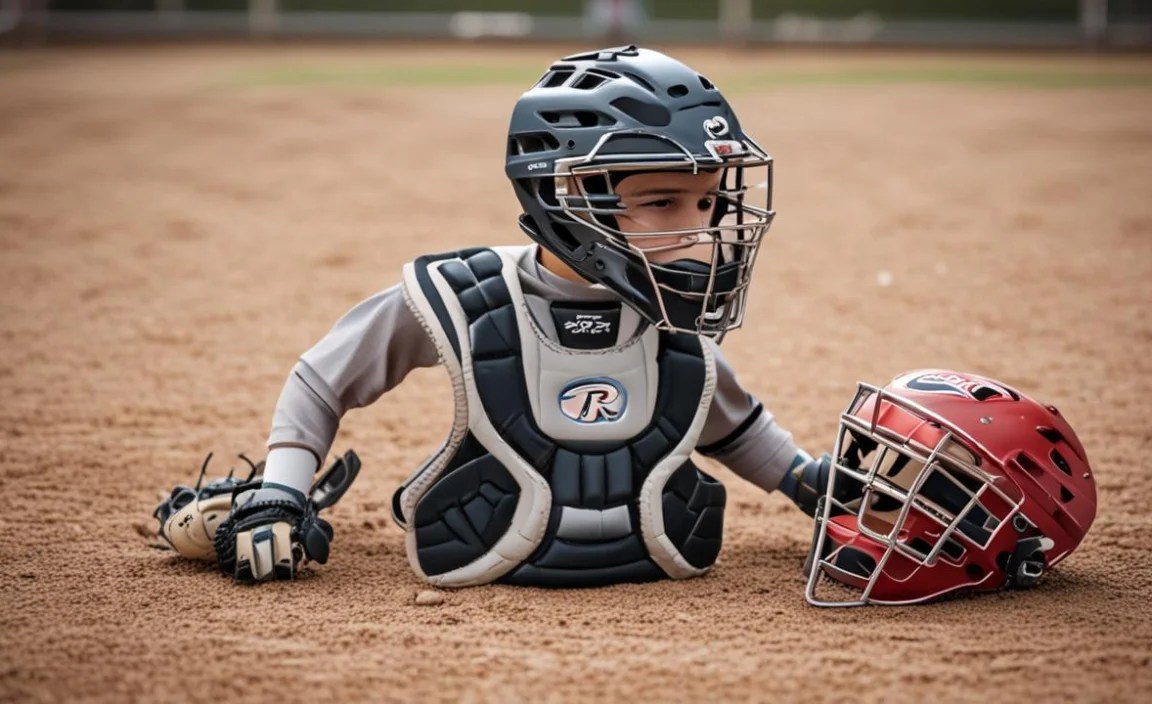
Many parents and coaches choose to purchase catcher’s gear as a complete set from Rawlings. This ensures that the pieces are designed to work together, offering consistent protection and complementary styles. A set typically includes a helmet, chest protector, and leg guards.
Pros of Buying a Rawlings Youth Catcher’s Gear Set:

- Coordinated Protection: Designed as a system for balanced safety.
- Value: Often more cost-effective than buying individual pieces.
- Convenience: Simplifies the purchasing process.
- Matching Aesthetics: For players who like their gear to look unified.
Cons of Buying a Set:
- Less Customization: You get what’s in the box; may not perfectly fit individual needs for each piece.
- Potential for Overkill: Some sets might include features a beginner doesn’t need, driving up cost.
Example of a Rawlings Youth Catcher’s Gear Set (Hypothetical):

A typical Rawlings youth catcher’s gear set might include:
| Item | Key Features | Target Age/Size |
|---|---|---|
| Rawlings R16 Youth Catcher’s Helmet | Pre-installed cage, adjustable fit, breathable padding | Ages 7-12 (approx.) |
| Rawlings Renegade Youth Chest Protector | Full torso coverage, adjustable straps, foam padding | Ages 7-12 (approx.) |
| Rawlings RCM Youth Catcher’s Leg Guards | Extended shin and knee protection, adjustable straps, durable plastic | Ages 7-12 (approx.) |
Always verify the specific components and sizing of any set before purchasing.
The Importance of Proper Fit and Comfort

No matter how high-quality the gear is, it won’t be effective if it doesn’t fit properly. This is especially true for youth athletes who are still developing. Gear that is too big can impede movement and offer less protection, while gear that is too small can be uncomfortable, restrict play, and still leave areas exposed.
Tips for Ensuring a Great Fit:
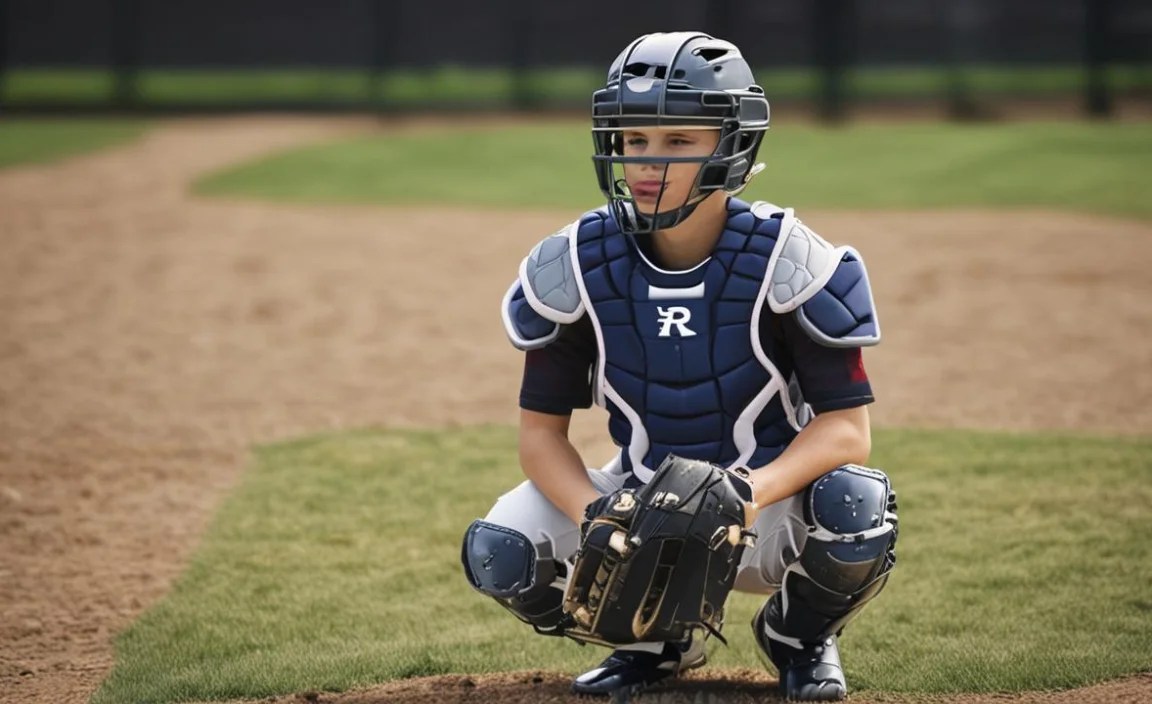
- Measure, Measure, Measure: Always refer to the manufacturer’s sizing charts. Measure your player’s head circumference, chest, waist, and leg lengths as indicated for each piece of equipment.
- Adjustability is Key: Look for gear with ample adjustable straps and fitting systems. This allows for fine-tuning the fit as your player moves or grows.
- Try Before You Buy (If Possible): If you have the opportunity to have your player try on the gear, do it. Watch how they move in it. Can they squat comfortably? Can they stand up and move backward easily?
- Consider Under-Gear: Ensure there’s room for a light layer of athletic wear without making the gear feel tight or restrictive.
- Don’t “Grow Into It”: While it’s tempting to buy gear a size up for longevity, ill-fitting gear compromises safety. It’s better to have gear that fits well now, and replace it when they outgrow it.
Comfort Aids Performance:
A player who is constantly adjusting their gear, feels pinched, or overheats will not be able to focus on catching. Comfortable gear allows a young player to feel confident, stay focused, and perform their best behind the plate. This is why Rawlings invests in features like moisture-wicking liners, breathable designs, and ergonomic shaping.
Maintenance and Care for Rawlings Catcher’s Gear
Proper care will extend the life of your Rawlings catcher’s gear and ensure it continues to provide optimal protection. Dirt, sweat, and moisture can degrade materials over time.
General Care Instructions:
- Wipe Down After Use: Use a damp cloth to wipe down the exterior of helmets, chest protectors, and leg guards to remove dirt and sweat.
- Clean Padding: For interior padding, use a mild soap and water solution. Ensure padding is thoroughly dried before storing to prevent mildew.
- Inspect Regularly: Check all straps, buckles, and stitching for wear and tear. Look for cracks in plastic components or significant damage to padding.
- Air Dry: Never store gear while it is still damp. Allow it to air dry completely in a well-ventilated area, away from direct sunlight or extreme heat, which can degrade plastic and leather.
- Mitt Care: For catcher’s mitts, follow specific leather care instructions, including conditioning and proper storage to maintain shape and suppleness.
When to Replace Gear:
Even with perfect care, gear has a lifespan. If you notice significant cracks, deep gouges, persistent softness in padding, or damaged straps that can’t be repaired, it’s time to consider replacing the piece. Safety is non-negotiable, and damaged gear compromises protection.
Rawlings Youth Catcher’s Gear & Training
Having the right gear is only one part of developing a great catcher. Combining confidence from good equipment with proper training is essential. Rawlings gear is designed to allow for the natural movements required in catching, supporting a player’s development.
How Gear Impacts Training:
- Confidence to Block: Well-padded gear, especially the chest protector and leg guards, gives young catchers the confidence to get in front of pitches in the dirt.
- Better Receiving: A properly broken-in mitt with good padding allows a catcher to “catch through” pitches, presenting a stable target for the pitcher.
- Agility and Mobility: Lightweight and well-designed gear (like Rawlings often provides) doesn’t hinder a catcher’s ability to move, throw, or quickly get up.
