Choosing the right Rawlings youth catcher gear is crucial for safety and performance. This guide breaks down the must-have equipment – mask, chest protector, and leg guards – ensuring young catchers are well-protected and ready to make every play. Learn what makes Rawlings gear a top choice for developing talent.
Baseball is all about those thrilling moments on the diamond. For young players, especially those stepping into the demanding role of catcher, the right gear can make all the difference. It’s not just about looking the part; it’s about staying safe, building confidence, and developing those essential skills. Many parents and young athletes find themselves staring at a wall of catcher’s equipment, wondering what’s truly necessary and what sets premium brands like Rawlings apart. It can feel overwhelming, but don’t worry!
This guide is here to shine a light on the “Rawlings Youth Catcher Gear: Proven Pro Essentials.” We’ll walk through each piece of critical gear, explaining why it matters and what to look for, so your young catcher can focus on mastering the game, not worrying about getting hurt. We’ll break down the key components that make Rawlings a trusted name in youth baseball, ensuring your player is equipped for success.
Rawlings Youth Catcher Gear: The Core Components


When we talk about catcher gear, three main components are absolutely essential for any young player: the helmet/mask, the chest protector, and the leg guards. Rawlings is a brand that has been trusted by professionals for decades, and their youth line offers that same dedication to quality and protection. Getting these pieces right is the first big step to building a complete catcher’s setup.
The Catcher’s Mask: Protecting the Head and Face


The catcher’s mask, often called a helmet or jaw protector, is arguably the most critical piece of gear. It’s the first line of defense against errant pitches, foul tips, and even collisions at home plate. For youth players, a well-fitting and protective mask is non-negotiable.
Why a Quality Mask Matters
- Impact Absorption: Youth masks are designed with materials that absorb the shock of impacts, reducing the risk of concussions and facial injuries.
- Visibility: Good masks offer unobstructed peripheral vision, allowing the catcher to call pitches, track runners, and see plays developing around them.
- Comfort and Fit: A comfortable mask stays in place, preventing it from shifting during a play, which could compromise protection or vision.
Key Features to Look For in Rawlings Youth Masks:
- Steel Cage Construction: This provides robust protection for the face and head. Rawlings uses high-strength steel in their cages.
- Padded Interior: Moisture-wicking padding ensures comfort and helps absorb sweat. Look for durable, removable padding for easy cleaning and replacement.
- Adjustable Fit System: Many youth helmets feature adjustable straps or a dial-fit system for a secure and customizable fit. This is crucial as players grow.
- NI atest Safety Standards: Ensure the mask meets current safety standards set by organizations like NOCSAE (National Operating Committee on Standards for Athletic Equipment). Rawlings is committed to meeting these standards.
Popular Rawlings Youth Catcher Mask Models:
Rawlings offers a range of masks designed for different age groups and levels of play. Some popular options include:
- Rawlings RCM Series: Often a go-to for its balance of protection and affordability.
- Rawlings Mach Series: Known for its lightweight design and excellent ventilation.
A properly fitted mask should feel snug but not overly tight. The chin strap should be secure, and the cage shouldn’t obstruct the catcher’s view of the ground when they’re in a squat.
The Chest Protector: Shielding the Torso
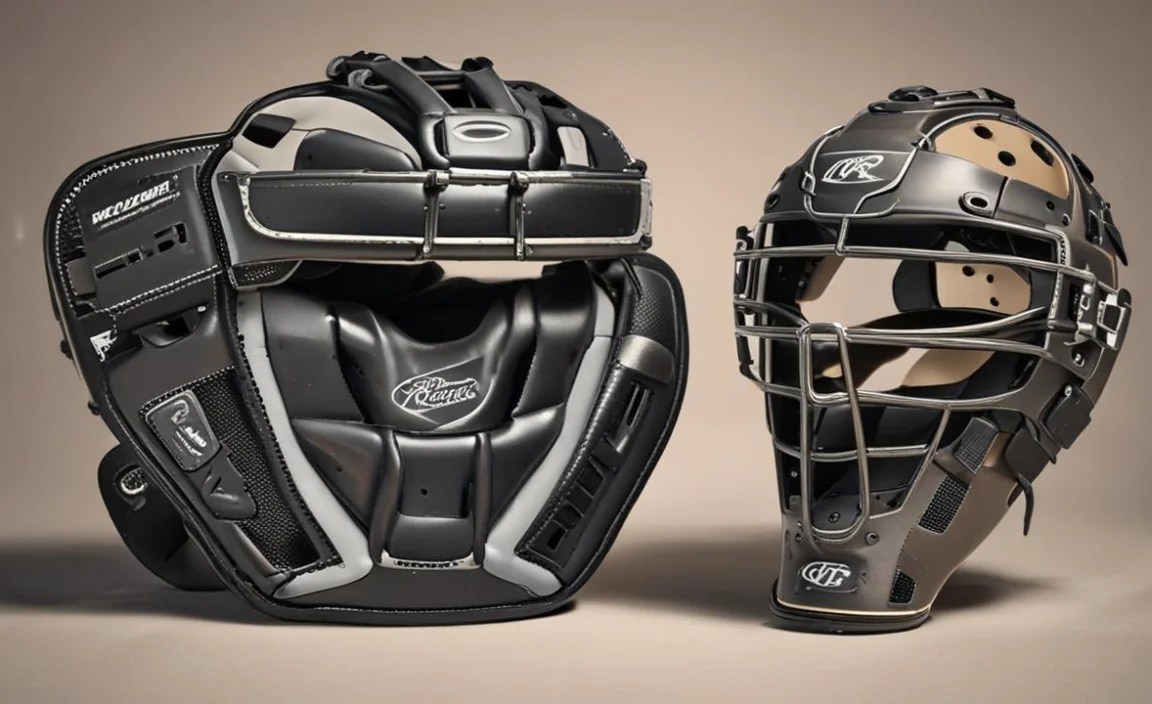
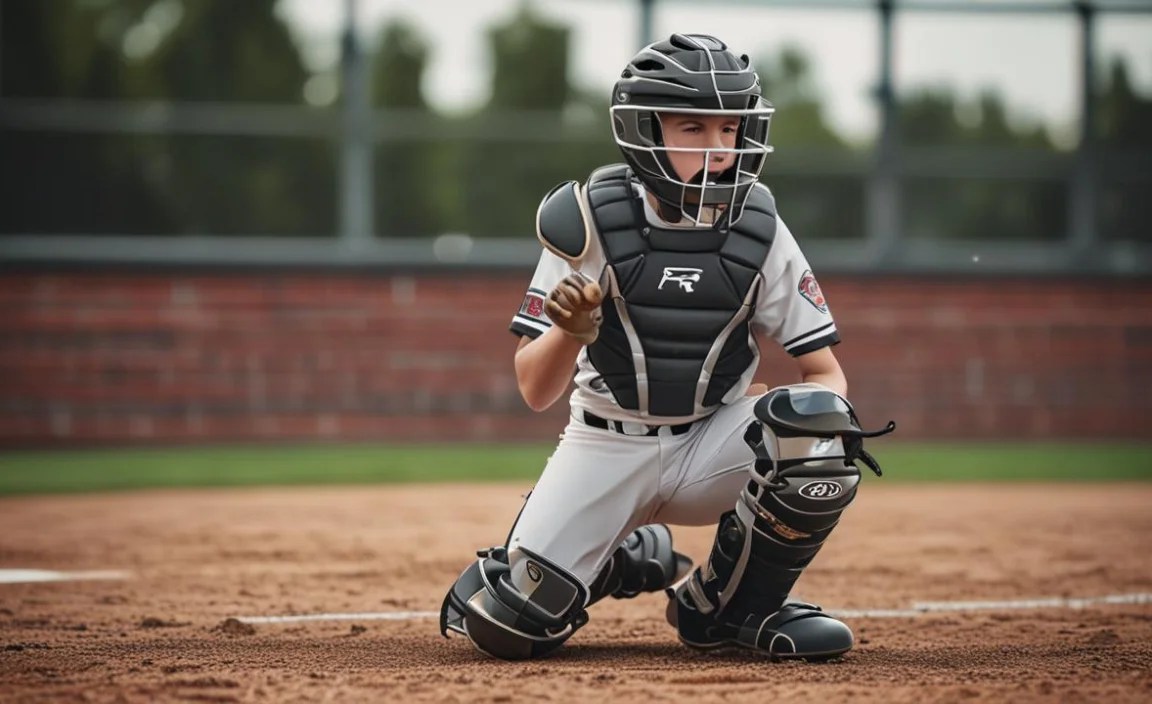
Next up is the chest protector. This piece of equipment is designed to protect the heart, solar plexus, and ribs from foul tips and wild pitches. For young catchers, whose bodies are still developing, this protection is paramount.
The Importance of a Well-Designed Chest Protector
- Impact Dispersion: A good chest protector distributes the force of an impact across a larger area, minimizing direct trauma to vital organs and bones.
- Mobility: While protection is key, the chest protector shouldn’t hinder a catcher’s ability to move freely – to block pitches, make throws, or field bunts.
- Coverage: It needs to provide adequate coverage for the chest, abdomen, and upper thighs.
What Makes Rawlings Chest Protectors Stand Out:
- Multi-Layered Padding: Rawlings utilizes advanced foam and padding systems that are designed to absorb and dissipate impact energy effectively.
- Ergonomic Design: Their protectors are often contoured to fit the catcher’s body comfortably and allow for a full range of motion.
- Adjustable Straps: Secure and easy-to-adjust straps ensure a snug fit that stays put during intense plays.
- Ventilation: Many models incorporate breathable materials or ventilation channels to help keep the catcher cool.
- NOCSAE Compliance: Again, ensuring NOCSAE standards are met is a primary focus.
Rawlings Youth Chest Protector Features to Consider:
- Size: Chest protectors are typically sized by length, measured from the collarbone down to the waist. Ensure it provides sufficient coverage without being too bulky.
- Adjustability: Look for models with multiple adjustment points to fine-tune the fit as the player grows or to accommodate different body types.
- Material: While padding is key, the outer shell also plays a role in durability and protection.
A properly fitted chest protector will cover the sternum and extend down to the beltline, offering protection for the entire core area.
Leg Guards: Protecting the Lower Extremities


Leg guards are the final piece of the essential catcher’s gear trinity. They protect the shins, knees, and feet from foul balls, pitches in the dirt, and any accidental contact. For youth players learning to block, these are incredibly important for building confidence and preventing painful injuries.
The Role of Reliable Leg Guards
- Maximum Coverage: They need to protect the entire leg from the knee down to the foot, including the sensitive shin area and knees.
- Impact Resistance: The materials and design must be capable of withstanding direct impacts from fast-moving baseballs.
- Secure Fit: Leg guards that slip or shift are less effective and can be a tripping hazard. A secure fit is vital for both protection and mobility.
Why Rawlings Leg Guards Are a Smart Choice:
- Robust Shell Design: Rawlings employs durable plastic shells, often with reinforced padding, to absorb and deflect impacts.
- Triple-Knee Protection: Many Rawlings models feature extended knee protection, a crucial element for catchers who spend a lot of time in a squat.
- Secure Strapping Systems: Adjustable, easy-to-use straps ensure the leg guards stay firmly in place, providing consistent protection.
- Ventilation: Some designs include vents to help manage heat build-up, enhancing comfort during long games or practices.
- Full Foot Coverage: Integrated shin guards often include a “toe cap” that extends over the shoe, offering protection to the front of the foot.
Factors When Choosing Rawlings Youth Leg Guards:
- Length: Leg guards are typically measured from the knee cap to the ankle or toe. A proper fit ensures no gaps in protection.
- Strap Placement: Consider how the straps are positioned. Easy-to-reach straps make adjustments quick during a game.
- Weight: While protection is key, overly heavy leg guards can fatigue a young player. Rawlings strives for a good balance.
The goal with leg guards is to have them extend from just below the knee down to the top of the shoe, covering the entire shin and extending over the kneecap.
Beyond the Essentials: Other Important Gear
While the mask, chest protector, and leg guards form the core of catcher’s safety, a few other pieces of equipment are highly recommended for young catchers to be truly prepared.
The Catcher’s Mitt: More Than Just a Glove


A catcher’s mitt is different from a standard fielder’s glove. It’s larger, more heavily padded, and doesn’t have individual finger stalls, allowing for a deep pocket to help snag fast pitches.
What to Look for in a Youth Catcher’s Mitt:
- Size: Youth mitts are typically smaller than adult sizes, ranging from 30-32 inches.
- Padding: Sufficient padding is crucial for protection and comfort.
- Pocket Depth: A deep pocket helps secure pitches and makes it easier to frame.
- Break-in Period: Rawlings often offers mitts that are partially broken in or made with softer leather for easier initial conditioning.
The Catcher’s Helmet Liner and Throat Protector
Many catcher’s masks come with basic padding, but an upgraded helmet liner can significantly boost comfort and hygiene. Similarly, a throat protector is a vital addition, extending protection down the neck, a common area for impacts not always fully covered by the mask itself.
Why These Accessories Matter:
- Hygiene: Removable, washable liners keep the mask fresh and clean.
- Comfort: Extra padding can make a significant difference during long games and practices.
- Enhanced Safety: A throat protector adds a crucial layer of defense to a vulnerable area.
Other Recommended Gear:
- Catcher’s Bag: A sturdy bag designed to hold all the bulky catcher’s gear is essential for transport and organization.
- Sliding Shorts/Compression Gear: These can provide extra padding and comfort, especially when blocking pitches or sliding.
- Cup: For male athletes, a protective athletic cup is always recommended for lower body safety.
Rawlings Youth Gear Sets: A Convenient Option
For parents and coaches looking to equip a young player, Rawlings often offers complete three-piece catcher’s gear sets. These sets typically include a mask, chest protector, and leg guards, all designed to coordinate and provide a baseline of quality protection.
Benefits of Purchasing a Set:
- Value: Sets can often be more cost-effective than buying individual pieces.
- Compatibility: The pieces are designed to work together for optimal fit and coverage.
- Simplicity: It simplifies the purchasing process for those new to the catcher position.
While sets are convenient, always ensure each piece fits the individual player correctly. A one-size-fits-all approach isn’t always best when it comes to protective equipment. The Rawlings UCM series, for example, is a popular set that offers core protection for younger players.
Sizing and Fit: The Key to Protection and Performance
No matter how high-quality the gear, it won’t provide optimal protection if it doesn’t fit correctly. This is especially true for youth athletes whose bodies are constantly growing and changing.
Measuring for the Right Fit
Here’s a general guide for measuring:
Mask Sizing:
- Head Circumference: Measure around the largest part of the player’s head, usually about an inch above the eyebrows and ears.
- Chin to Crown: Measure from the chin up to the top of the head.
Rawlings will provide specific sizing charts based on these measurements for each mask model.
Chest Protector Sizing:
- Length: Measure from the base of the neck (collarbone area) down to the waistline where the pant waistband sits.
The protector should not extend too far down the stomach, as this can hinder flexibility.
Leg Guard Sizing:
- Knee to Ankle/Toe: Measure from the top of the kneecap down to the bottom of the shin guard (where it meets the shoe).
Ensure the guard fully covers the shin and offers substantial knee protection.
The Importance of Adjustments
Even with a properly sized piece of gear, the straps and fit system are crucial.
- Mask: The chin strap should be snug, and the fit system (if applicable) should keep the mask stable on the head.
- Chest Protector: Straps should be adjusted so the protector stays in place without being constrictive.
- Leg Guards: Straps should be tightened in a way that prevents any sagging or shifting, but not so tight as to cut off circulation.
It’s often beneficial for a new catcher to try on gear in person, or at least to carefully consult the brand’s sizing charts and return policies if buying online. Resources like the Baseball Almanac offer foundational rule information that can help understand the context of the game and the catcher’s role.
Care and Maintenance for Your Rawlings Gear
Investing in quality gear means taking care of it to ensure it lasts and continues to provide optimal protection. Proper maintenance is straightforward and will extend the life of your Rawlings equipment.
Cleaning Your Catcher’s Gear
- Mask: Wipe down the steel cage with a damp cloth. The interior padding can often be removed and washed by hand with mild soap and water. Allow it to air dry completely before reattaching.
- Chest Protector and Leg Guards: Use a damp cloth or a mild soap solution to clean the exterior shell and straps. For the interior padding, check if it’s removable. If so, clean it separately as you would mask padding. If not, spot clean gently. Ensure all parts are completely dry before storing.
- Catcher’s Mitt: Mitts require specialized care (mitt oils, conditioners). Clean off excess dirt with a damp cloth and apply a small amount of conditioner as recommended by the manufacturer. Avoid over-conditioning, which can make the mitt too soft or heavy.
Inspection and Replacement
Regularly inspect all components of your catcher’s gear for signs of wear and tear.
- Cracks or Deep Scratches: On masks, chest protectors, or leg guards, any significant damage to the protective shell can compromise its integrity.
- Worn Straps or Buckles: Damaged straps or buckles can lead to gear shifting or not staying secured.
- Compromised Padding: Flattened, torn, or excessively worn padding loses its shock-absorbing ability.
- Loose Stitching: On mitts or padding, loose stitching can lead to internal components shifting or coming apart.
If you notice any of these issues, it’s time to consider replacing the damaged component or the entire set. Safety equipment is only effective when it’s in good condition. The NOCSAE standards are periodically updated, so ensuring you have gear that meets current requirements is also important for performance and safety. For up-to-date guidelines on sports equipment safety, you can refer to resources such as the Consumer Product Safety Commission (CPSC).
Training Tips for Young Catchers with the Right Gear
Having the right Rawlings gear isn’t just about protection; it’s about unlocking a young catcher’s potential. With protective equipment that instills confidence, players can focus more on developing the skills needed for the position.
Focus on Blocking Drills
With reliable leg guards and a chest protector, young catchers can fearlessly attack pitches in the dirt.
- “Jam” Drills: Practice receiving pitches in the dirt by “jamming” your body into the ball, using your chest protector and leg guards to absorb the impact.
- “Ghost” Drills: Have a pitcher throw pitches outside the strike zone. The catcher’s job is to block the ball and prevent it from getting past them, keeping their body in front of the ball with knees bent and glove down.
Improving Receiving and Framing
A well-fitting mask and chest protector allow for better posture and balance, which are crucial for receiving and framing pitches.
- “Soft Hands” Drills: Practice receiving pitches gently, with minimal glove movement, to make the pitch look like a strike. Good gear allows for a stable base to develop these “soft hands.”
- Framing Practice: Work on subtly moving the glove to present the pitch in the strike zone from the umpire’s perspective. Confidence in your gear allows for more focus on these subtle movements.
Throwing Mechanics
While not directly related to catcher’s gear, proper throwing mechanics are vital. A confident catcher, comfortable in their equipment, can focus more on their footwork and arm action.
- Pop Time Drills: Practice catching and quickly transitioning to a throw to a base.
- Outfield Assist Drills: Simulate throwing to various outfield positions.
Rawlings gear provides the foundation of safety and comfort that allows young athletes to push their training boundaries and improve their game.
Frequently Asked Questions (FAQ)
Q1: What size Rawlings catcher’s gear should a 10-year-old wear?
For a 10-year-old, you’ll typically look for youth or intermediate sized gear. For a mask, it might be around a 7-7.5 hat size equivalent. Chest protectors are often around 13-15 inches in length, and leg guards around 13-15 inches. Always check the specific sizing chart for the Rawlings model you’re considering, as measurements can vary.
