Under Armour beginner leg guards offer crucial knee and shin protection, safeguarding young players from errant pitches and foul balls. Investing in quality gear like Under Armour ensures comfort and confidence behind the plate, allowing beginners to focus on developing their catching skills.
Stepping behind the plate for the first time? It’s exciting, but it also means facing pitches head-on. Your knees and shins are the most vulnerable. Without the right protection, an awkward bounce or a fast fastball can lead to a painful and discouraging experience. You might even hesitate to crouch properly, which hurts your game. That’s where specialized gear comes in. We’re going to break down why Under Armour beginner leg guards are a smart choice to keep you safe, comfortable, and ready to learn the fundamentals of catching.
Why Every Beginner Catcher Needs Leg Guards
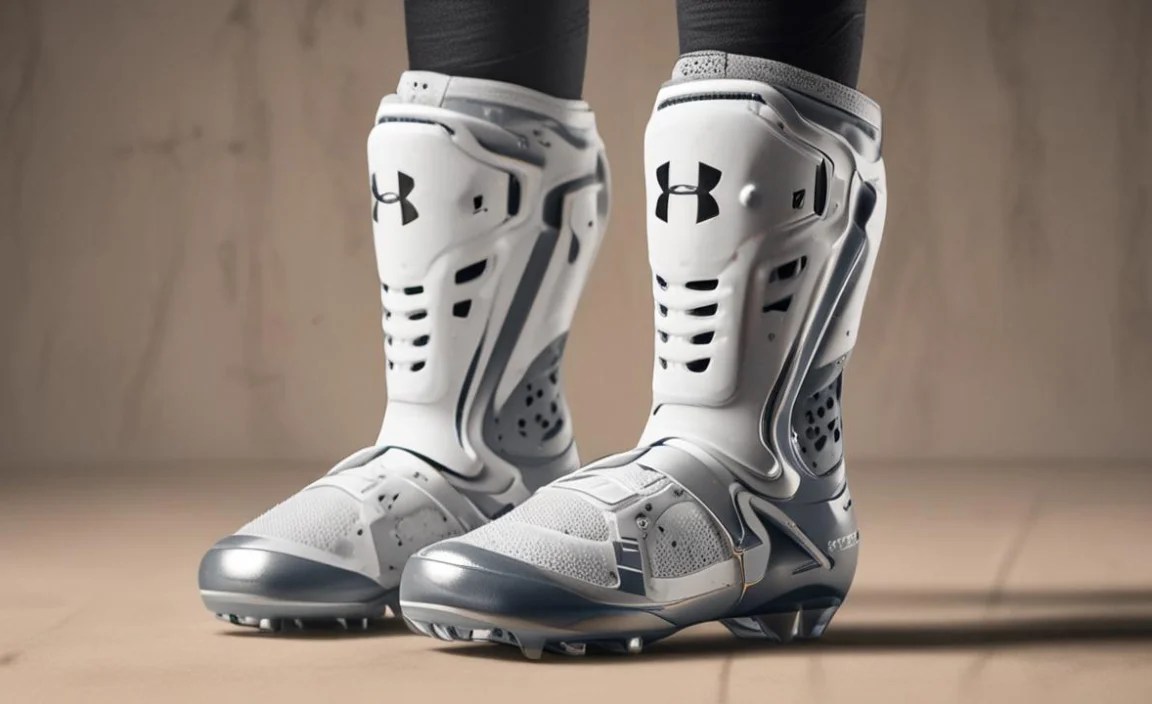
Imagine this: a pitcher throws a fastball, but the catcher’s mitt is just slightly off. The ball hits the catcher’s shin. Ouch! This is a common scenario, especially for new catchers still honing their reflexes and positioning. Leg guards are designed to absorb that impact, acting like padded shields for your lower legs.
As a beginner, your focus should be on learning the proper stance, how to receive pitches, block the ball, and throw runners out. Constant worry about getting hurt by a stray pitch can be a major distraction. Good leg guards take that worry away, allowing you to concentrate on developing these essential skills. They are your first line of defense and a critical piece of equipment for anyone serious about playing the catcher position.
Protection Against Impact
The primary job of any leg guard is to protect your shins and knees. Pitches can be thrown with significant velocity, and even foul tips can sting. Leg guards distribute the force of these impacts across a larger area, significantly reducing the risk of bruises, scrapes, or more serious injuries. This means you can stay in the game and continue playing without fear.
Comfort and Mobility
Early catcher’s gear could be bulky and restrictive. Modern leg guards, especially those designed for beginners, are made with lightweight materials and ergonomic designs. They aim to provide maximum protection without hindering your ability to move. You need to be able to quickly get up, shift your weight, and make throws. Good leg guards won’t tie you down; they’ll feel like a natural extension of your protective gear.
Building Confidence
When you know you’re well-protected, you’re more likely to be aggressive and confident behind the plate. You won’t flinch as much, you’ll be more willing to get in front of a tough pitch, and you’ll feel more secure in your stance. This confidence is invaluable for skill development and enjoying the game.
Under Armour: A Brand You Can Trust

Under Armour has built a reputation for creating high-performance athletic wear and equipment. They focus on innovation, durability, and athlete-centric design. When they develop gear for a specific position like catcher, they’re bringing the same research and technology to bear. For beginners, this means getting access to quality protection that’s designed with their needs in mind, often at a more accessible price point than elite professional gear.
Their commitment to sports means understanding the demands placed on athletes and creating products that support their performance and safety. This is especially important for younger players or those just starting out, as they build the foundation for their athletic careers.
Key Features of Under Armour Beginner Leg Guards

When you’re looking at Under Armour leg guards for beginners, you’ll want to pay attention to a few key features. These are the elements that make them effective and comfortable for new players.
Durable Construction
Beginner leg guards need to withstand the rigors of practice and games. Under Armour typically uses tough outer shells made from high-impact plastics. These materials are designed to protect against direct impacts from balls and bats. The interior padding is also made to last, providing consistent shock absorption over time.
Anatomical Fit
The best leg guards fit like a glove. Under Armour often designs their catcher’s gear with an anatomical fit. This means they’re shaped to follow the natural contours of the leg and knee. A good fit not only maximizes protection but also enhances comfort and allows for a wider range of motion. You won’t find yourself constantly adjusting them.
Adjustable Straps
For any piece of protective gear, a secure fit is paramount. Under Armour beginner leg guards come equipped with adjustable straps. These straps allow you to customize the tightness of the guards, ensuring they stay in place no matter how much you move. Most models will have multiple straps, often with Velcro closures, making them easy for players (or parents) to put on and take off.
Padding and Liner
The padding inside the leg guards is crucial for comfort and impact absorption. Under Armour often uses advanced foam technologies that are lightweight yet highly effective at dissipating force. Many models also feature a moisture-wicking liner. This helps to keep your legs dry and comfortable, even during intense games or practices, preventing chafing and irritation.
Toe Protection
A lesser-known but important feature is toe protection. While the primary focus is on the shin and knee, many leg guards extend down to cover the top of your cleats. This can add an extra layer of safety against foul balls that might hit the front of your foot.
Choosing the Right Size
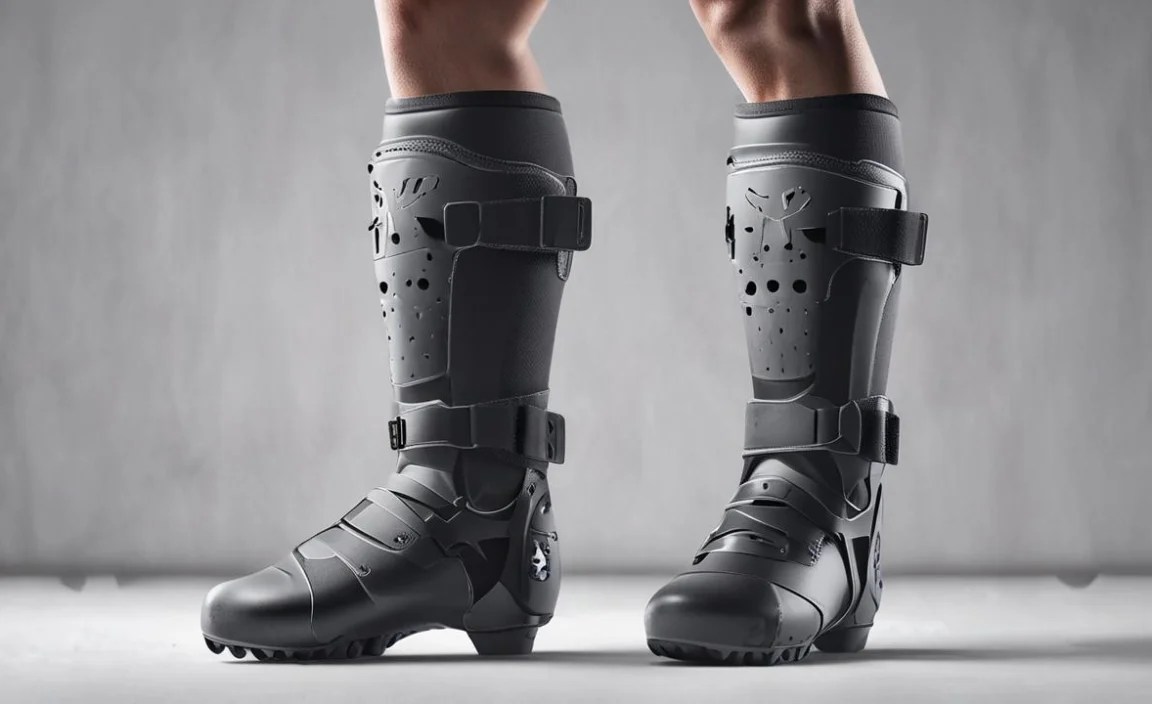
Getting the right size is crucial for both comfort and effective protection. Too small, and they might be uncomfortable or not cover enough area. Too large, and they might slip or shift, leaving you vulnerable. Here’s a general guide to help you choose:
General Sizing Guidelines
Most manufacturers, including Under Armour, base their sizing on the length of the leg guard from the top of the knee cap to the bottom of the shin guard. While specific measurements can vary slightly by model, here’s a common breakdown:
- Youth/Junior (Y/JR): Typically for players aged 9-12, with leg guard lengths often around 13-15 inches.
- Intermediate (INT): Suitable for players aged 13-15, with lengths around 15-17 inches.
- Senior (SR): For players 16 and up, or those with larger legs, usually 17 inches and above.
How to Measure
To get the most accurate fit, it’s best to measure your leg. You can do this with a soft tape measure:
- Measure the distance from the center of your kneecap down to the top of your shoe or cleat.
- Measure the distance from the center of your kneecap down to where you want the leg guard to end on your shin – typically just above the ankle bone.
- Compare these measurements to the sizing charts provided by Under Armour for the specific model you are considering.
Try Before You Buy (If Possible)
The best way to ensure a perfect fit is to try the leg guards on. If you can, visit a sporting goods store and have a look. Check for:
- Coverage: Does the guard fully protect your knee and shin?
- Mobility: Can you comfortably crouch, stand, and walk without feeling restricted?
- Secure Fit: Do the straps hold the guard firmly in place without digging in?
Comparing Under Armour Models
Under Armour offers a range of catcher’s gear, and their leg guards often come in different tiers. While we’re focusing on beginner-friendly options, understanding some of the common distinctions can be helpful.
Entry-Level vs. Advanced
Entry-level models, often marketed towards beginners and youth players, will prioritize core protection and comfort at an approachable price. They might use slightly less advanced materials or have a simpler strap system. Advanced models will often feature lighter-weight plastics, more sophisticated padding, and potentially a more streamlined, low-profile design for maximum agility.
Popular Beginner-Friendly Models
While specific model names can change year-to-year, Under Armour consistently offers gear designed for developing players. Look for models explicitly labeled for “youth” or “intermediate” players. These are engineered to provide the necessary protection without the complexity or cost of elite professional gear.
Putting Your Leg Guards to the Test: Tips for Beginners
Once you have your Under Armour leg guards, it’s time to get them on and practice! Here are some tips to make the most of your new gear:
Proper Adjustment is Key
Before every practice or game, take a moment to adjust your straps. You want them snug enough to stay put during movement but not so tight that they restrict blood flow or cause discomfort. The knee cap should sit comfortably within the padded knee protector.
Getting Used to the Feel
New gear can feel a bit different at first. Spend some time just wearing them around the house or doing light drills. This helps you get accustomed to how they feel and move with you. Don’t wait for a game to try them out for the first time!
Focus on Your Stance
With the added protection and confidence from your leg guards, focus on your catching stance. Ensure you’re in a balanced, athletic position, ready to block or receive. The guards should support this, not hinder it.
Practice Blocking Drills
Leg guards are essential for blocking pitches in the dirt. Practice getting your body in front of the ball. Your guards will help absorb any unexpected bounces or impacts, making these drills less intimidating and more effective for skill development.
Foul Tip Safety
Be aware that leg guards offer excellent protection for your shins and knees, but they don’t cover your entire body. You’ll still need a chest protector and mask for other areas. However, the leg guards significantly reduce the risk of those painful foul tips that often catch catchers off guard.
Maintaining Your Under Armour Leg Guards
To ensure your Under Armour leg guards last and continue to offer optimal protection, a little care goes a long way. Baseball gear, especially protective equipment, can get dirty and worn out if not maintained.
Cleaning Your Leg Guards
After games or practices, it’s a good idea to give your leg guards a quick wipe-down. Dirt, mud, and sweat can degrade materials over time. Use a damp cloth and mild soap if needed. For tougher grime, you can often remove the inner padding for a more thorough cleaning.
- Wipe down the plastic shell with a damp cloth.
- For the padding, gently spot clean with mild soap and water. Avoid soaking it.
- Ensure all parts are completely dry before storing to prevent mildew.
Drying Properly
Never put your leg guards in a clothes dryer, as the heat can warp or damage the plastic and padding. Always air dry them. You can prop them up or hang them in a well-ventilated area. Good ventilation is key to preventing odors and keeping the materials fresh.
Inspect for Wear and Tear
Periodically, check your leg guards for any signs of damage. Look for cracks in the plastic shell, torn padding, or frayed straps. Damaged gear may not provide adequate protection and should be repaired or replaced.
FAQ: Your Beginner Catcher Questions Answered
Here are some common questions beginners have about catcher’s leg guards, especially those from brands like Under Armour.
Q1: Do I really need leg guards as a beginner?
Absolutely! Even at the beginner level, pitches can be fast, and foul tips are common. Leg guards protect your shins and knees from bruising and injury, allowing you to focus on learning the basics of catching without fear.
Q2: How do I know if Under Armour leg guards are the right choice for my child?
Under Armour is a reputable brand known for quality and performance. Their beginner-focused leg guards offer excellent protection with adjustable fits and durable materials. They are a reliable option for young or new players.
Q3: Can I use adult-sized leg guards if they seem like a good fit?
It’s best to stick to the recommended sizing charts for youth, intermediate, or senior sizes. Adult-sized guards might be too large and bulky, hindering mobility and potentially not fitting correctly, compromising protection.
Q4: What maintenance do my Under Armour leg guards need?
Keep them clean by wiping them down after use. Allow them to air dry completely away from direct heat. Periodically check for damage like cracks or torn padding. Proper care ensures they last longer and stay protective.
Q5: Are Under Armour leg guards comfortable to wear for a whole game?
Yes, Under Armour designs their gear with comfort in mind. Look for models with good padding and moisture-wicking liners. Proper adjustment of the straps is key to ensuring long-lasting comfort throughout a game. They should feel snug but not restrictive.
Q6: How much do beginner leg guards typically cost?
Beginner-friendly Under Armour leg guards typically range from $50 to $100. The price can vary based on specific features and sales. This is a worthwhile investment for the safety and confidence they provide.
The Bottom Line: Protect Your Future Behind the Plate
As you embark on your journey as a catcher, remember that protection is not a luxury; it’s a necessity. Investing in quality gear like Under Armour beginner leg guards is one of the smartest moves you can make. They are designed to offer reliable defense against the impacts of the game, allowing you to build confidence, focus on skill development, and truly enjoy the unique and exciting position of catcher.
Don’t let the fear of getting hurt hold you back. With the right equipment from trusted brands like Under Armour, you can step behind the plate with assurance. Learn proper techniques, practice diligently, and let your gear do its job so you can focus on what matters most: becoming a great catcher. Your knees and shins Will thank you for it!
