Properly fitting Under Armour shin guards is crucial for catcher comfort, safety, and performance on the field. This guide ensures you get the right fit every time.
Getting catcher’s gear right, especially shin guards, can feel like a puzzle. As a catcher, you move a lot, and ill-fitting gear slows you down, causes discomfort, and can even lead to injuries. Your shin guards are your first line of defense against foul tips and errant pitches. Finding the perfect fit for your Under Armour shin guards means serious comfort and confidence behind the plate. We’ll walk through exactly how to measure, adjust, and ensure your guards are game-ready. Let’s get your gear dialed in so you can focus on calling the game!
Why Shin Guard Fit Matters for Catchers

As a catcher, your protective gear is your second skin. It’s not just about comfort; it’s about safety and performance. When catcher’s shin guards fit snugly and correctly, they stay in place, no matter how much you move. This means no awkward adjustments in the middle of an inning, and more importantly, they offer the best protection possible.
Safety First: The Foundation of Catcher’s Gear
The primary job of shin guards is to protect your knees, shins, and ankles from the impact of pitches, foul tips, and even collisions. A loose guard can shift, leaving vulnerable areas exposed. A guard that’s too tight can restrict blood flow and movement. Proper fit ensures the padding is precisely where it needs to be to absorb shock effectively. The National Federation of State High School Associations (NFHS) emphasizes the critical role of well-fitting equipment in preventing injuries in young athletes, and this applies just as much to catchers.
Performance Boost: Move with Confidence
Think about all the movements a catcher makes: deep squats, quick lunges, explosive pops to throw. Your shin guards should move with you, not against you. When they fit right, they feel like a natural extension of your legs. This allows for maximum agility, faster transitions from catch to throw, and the ability to maintain a solid defensive stance for extended periods. No more fighting bulky or restrictive gear!
Comfort is Key: Enduring the Game
A long double-header can be grueling. If your shin guards are digging in, chafing, or feeling heavy and awkward, it’s a major distraction. Comfortable gear means you can concentrate on the game, your pitcher, and your strategy, rather than on your equipment. Ultimately, the right fit lets you perform at your best for the entire game or practice.
Understanding Under Armour Catcher’s Shin Guard Sizing

Under Armour, like most reputable gear manufacturers, bases its sizing on specific measurements. The most common measurement for shin guards is leg length. However, it’s also important to consider shin circumference and knee width, as these can vary greatly between players.
Measuring Your Leg Length
This is the most critical measurement for determining the right size of your Under Armour shin guards. You’ll need a flexible measuring tape.
- Find a Reliable Measuring Tape: A standard tailor’s tape measure works best.
- Stand Tall: Stand up straight with your feet shoulder-width apart. It’s helpful to have someone else take the measurement to ensure accuracy.
- Locate the Starting Point: Place the end of the tape measure at the center of your kneecap. Some recommend measuring from the top of the kneecap. Check your specific model’s recommendations if available, but generally, measuring from the center is common for overall length.
- Measure to the Foot: Extend the tape measure straight down the front of your shin to where you want the shin guard to end. Most catchers prefer the guard to end just above or at the top of their cleats, to provide coverage without interfering with foot movement.
- Record the Measurement: Write down the length in inches or centimeters.
Consulting the Size Chart
Once you have your measurement, you’ll compare it to Under Armour’s official sizing chart. These charts are usually available on the product page of the Under Armour website or on the packaging.
For example, a typical sizing might look something like this (note: always check the latest official chart for the specific model you are interested in):
| Size | Length (Inches) | Length (Centimeters) |
|---|---|---|
| Youth Small | 12-13 | 30.5-33 |
| Youth Medium | 13-14 | 33-35.5 |
| Youth Large | 14-15 | 35.5-38 |
| Adult Small | 14-15 | 35.5-38 |
| Adult Medium | 15-16 | 38-40.5 |
| Adult Large | 16-17 | 40.5-43 |
| Adult X-Large | 17+ | 43+ |
Important Note: Sizes can vary slightly between different Under Armour shin guard models (e.g., traditional catchers’ shin guards versus more modern, leg-guard style protection). Always refer to the specific product’s sizing guide.
Considering Shin and Knee Dimensions
While leg length is primary, don’t forget your leg’s circumference. Shin guards need to fit snugly around your calf and thigh without being painfully tight. If you have particularly large or small calves for your height, you might need to look for models with adjustable straps that offer more flexibility beyond the standard sizing.
Step-by-Step Guide to Fitting Your Under Armour Shin Guards
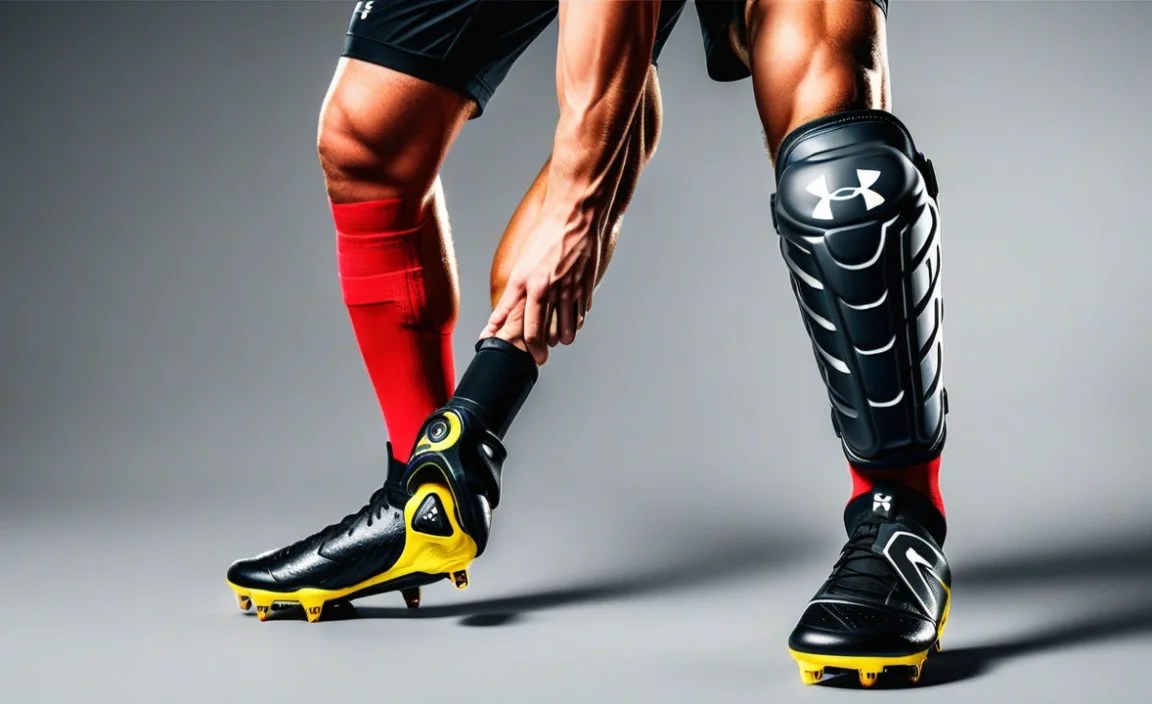
Once you have your measurement and have selected a size, it’s time to try them on. This is where you confirm the fit and make any necessary adjustments.
Step 1: Try Them On Correctly
Put on your baseball pants, and then slide the shin guards on. They should go on over your pant legs. Most modern shin guards have an internal boot or sleeve that your leg slides into, and then external straps to secure them.
Step 2: Check the Knee Cap
The top of the shin guard should align with the bottom of your kneecap or cover it completely, depending on the design. The knee cap protector on the shin guard should sit comfortably over your own knee. It shouldn’t be too high (digging into your thigh) or too low (leaving your knee exposed).
Step 3: Assess Shin Coverage
The main body of the shin guard should cover the entire length of your shin, from just below the knee down to your ankle. There should be no gaps where your shin bone is exposed, especially in the lower half.
Step 4: Tighten the Straps
Under Armour shin guards typically feature multiple adjustable straps, usually with Velcro.
- Bottom Straps: Start by fastening the lowest straps around your ankle/lower shin. These should be snug but not so tight that they restrict circulation or cause discomfort when you bend your foot.
- Middle Straps: Move up to the straps around the mid-shin or calf area. Again, aim for a secure fit that prevents the guard from sliding down.
- Top Straps: Finally, secure the upper straps, typically around the calf or just below the knee. These are crucial for preventing the guard from dropping down.
Tip: Ensure the straps are smooth and not bunched up or folded over, as this can create pressure points and discomfort.
Step 5: Test for Movement and Comfort
This is the most important part! With the guards on and straps secured, simulate catcher’s movements.
- Squat down fully.
- Lunge forward.
- Stand up quickly.
- Pivot on your feet.
- Bend your knees and extend them.
Pay attention to:
- Sliding: Do the guards try to slip down or twist?
- Pinching: Are any straps or edges digging into your skin?
- Restriction: Do they hinder your ability to bend your knees or move your ankles?
- Pressure Points: Are there any spots that feel consistently uncomfortable?
Step 6: Feathering the Fit (Fine-Tuning)
If the guards feel a little loose, try tightening the straps incrementally. If they feel too tight or uncomfortable, loosen them slightly. The goal is a secure, supportive feel that doesn’t compromise your range of motion or cause pain. Some players find using thin compression sleeves under their shin guards helps provide a smoother surface for the guards to grip, preventing chafing and improving the fit.
Advanced Fitting Tips for Under Armour Shin Guards
Beyond the basic measurements and strap adjustments, a few extra tips can elevate your shin guard fit from good to perfect.
Layering and Base Layers
What you wear underneath your shin guards can significantly impact comfort and fit. Some players prefer to wear thin, moisture-wicking compression sleeves or socks.
- Benefits of Sleeves: They can help prevent chafing by providing a smooth barrier between your skin and the shin guard material. They also help manage sweat, keeping your legs drier and often making the guards feel more secure.
- Avoid Bulky Socks: While comfortable, overly thick socks can sometimes make shin guards feel tighter or shift uncomfortably. Opt for performance-oriented socks.
Adjusting for Different Cleats
The height and style of your cleats can also influence how your shin guards sit. If you wear high-top cleats, they might provide a bit of an anchor point for the bottom straps, but they could also interfere if the shin guard is too short. If you wear low-tops, ensuring the shin guard extends sufficiently over the top of your foot area is important for full protection.
Dealing with Growth Spurts (Youth Players)
For young players, growth spurts are a common challenge. It’s always better to err on the side of slightly too large if you’re on the cusp of a size, as they can often be adjusted with straps. However, don’t buy excessively large gear; it can be bulky and unsafe. Invest in good quality, adjustable gear that can adapt to some growth, and be prepared to upgrade when a player outgrows their equipment significantly. Finding gear that offers adjustability, like some Under Armour youth shin guards, is key here.
The “Break-In” Period
Like most baseball equipment, shin guards may feel a bit stiff out of the box. A short “break-in” period of wearing them around the house or during light drills can help them mold to your legs. Pay attention to any new pressure points that emerge during this time and adjust the straps accordingly.
Common Shin Guard Fitting Problems and Solutions
Even with careful fitting, issues can arise. Here are common problems and how to solve them:
Problem: Shin Guards Slipping Down
- Cause: Straps aren’t tight enough, legs are too thin for the guard size, or material inside guard is slick.
- Solution: Ensure all straps, especially the top ones, are securely fastened. If the issue persists, consider wearing compression sleeves underneath for a tighter grip. You might also need to size down or look for models with a more anatomically shaped design.
Problem: Shin Guards Bunching Up
- Cause: Too long for your leg, or straps are unevenly tightened.
- Solution: Check if the guard is the correct length. If it is, try loosening the top straps slightly and re-tightening the lower ones to pull it down. Ensure straps are lying flat.
Problem: Knee Pad Misalignment
- Cause: Guard is too long or too short.
- Solution: This typically means the overall size needs adjustment. If the knee pad is too high, it’s too long; if it’s too low, it’s too short. Re-measure your leg length and consult the size chart again.
Problem: Pinched Nerves or Circulation Issues
- Cause: Straps are far too tight, or the guard is too narrow for your leg.
- Solution: Immediately loosen the straps! If the problem persists even with loosened straps, the shin guard diameter might be too small for your leg. Consider a wider model or a size up if available.
Problem: Discomfort Around the Ankle/Calf
- Cause: Strap placement or material rubbing.
- Solution: Adjust the strap positions. Some shin guards have straps that can be moved. Ensure the straps are flat. If it’s a material issue, wear thicker socks or compression sleeves.
The Importance of Quality Catcher’s Gear
Investing in good quality catcher’s gear, including from reputable brands like Under Armour, is paramount. High-end gear often features better materials, improved padding technology, and more ergonomic designs that enhance both protection and fit.
Under Armour’s Technology
Under Armour focuses on performance and protection. Their gear often incorporates advanced materials and construction techniques. For shin guards, this might mean lighter, more durable plastics, superior foam padding for impact absorption, and breathable linings to keep players cool and comfortable. Understanding the specific technologies in the model you choose can further help in appreciating its fit and function. For example, many modern guards use multi-density foams to balance protection and weight distribution.
Choosing Between Different Models
Under Armour offers various shin guard styles. Some are traditional, bulky catcher’s guards designed for maximum protection. Others are sleeker, lighter leg-guard styles that prioritize mobility.
- Traditional Catchers Shin Guards: These usually offer the most comprehensive knee and shin coverage, often with a separate toe guard. They are bulkier but provide the highest level of protection.
- Leg Guard Style Shin Guards: These can be lighter and more streamlined, fitting more like a sleeve with external plating. They offer excellent mobility but might have slightly less overall coverage than traditional models.
Your playing style, league requirements (especially at younger levels), and personal preference will guide which model is best. Always check the official product descriptions to understand the intended use and features of each.
Maintenance for Longevity and Fit
Proper care will ensure your shin guards maintain their fit and protective qualities for a long time.
- Cleaning: Wipe down with a damp cloth after use to remove dirt and sweat. Avoid harsh chemicals.
- Drying: Allow them to air dry completely between uses. Never store them wet, as this can lead to odor and damage to the materials.
- Inspection: Periodically check straps for wear and tear, and inspect padding for any signs of degradation.
Frequently Asked Questions (FAQ)
Q1: How do I know if my Under Armour shin guards are too big or too small?
If the shin guards slip down your legs easily, even with straps tightened, they might be too big. If they feel painfully tight, restrict movement, or leave parts of your shin or knee exposed, they are likely too small. Always refer to your leg measurement against the official size chart first.
Q2: Can I wear shin guards without baseball pants?
You can try, but it’s not recommended for games or intense practices. Shin guards are designed to be worn over batting/baseball pants to ensure full coverage and prevent chafing or direct skin irritation. Wearing them alone might be okay for casual drills, but always ensure your skin is protected.
Q3: How often should I replace my shin guards?
This depends on usage and wear and tear. If the padding is compressed, cracked, or no longer provides adequate protection, or if straps are broken, it’s time for a replacement. For younger players experiencing growth, replacement is often due to size rather than wear.
Q4: What if my shin guards are rubbing or causing chafing?
This is often due to friction. Wearing moisture-wicking compression sleeves or smooth athletic socks underneath can create a better surface and reduce rubbing. Also, ensure the straps are lying flat and not bunched up, as this can cause rough spots.
Q5: Do Under Armour shin guards come in different widths?
While Under Armour standardizes sizing by length, some of their higher-end or specialized models might offer slightly different fits or have more robust adjustment systems that cater to variations in leg circumference. If you have exceptionally large calves for your height, look for models known for their adjustability or consider other brands that explicitly offer width options.
Q6: Can I adjust my shin guards if they are slightly too long?
Slightly too long shin guards can sometimes be managed by ensuring the knee pad sits as high as possible without discomfort and by tightening the top straps firmly. However, if they are significantly too long, they will likely bunch up and compromise protection and mobility. It’s best to get the correct length from the start.
