Quick Summary: Getting the right fit for your Wilson catchers knee savers is key to comfort and protection. Follow these simple steps to ensure a snug, secure fit that allows for quick movements and reduces strain during every pitch. Proper adjustment means better performance and less soreness behind the plate.
Hey baseball fam! John P. Miller here from FriskMode. Ever feel that nagging ache in your knees after a long game or practice? As a catcher, your knees take a beating. That’s where knee savers come in, but if they don’t fit right, they can be more of a nuisance than a help. We’ve all been there, fiddling with straps and feeling like they’re either too tight or sliding around. Don’t sweat it! This guide is all about making sure your Wilson catchers knee savers fit like a glove—or, well, like a perfectly fitted piece of equipment. We’ll walk through how to get that secure, comfortable feel so you can focus on the game, not your gear. Ready to conquer catcher’s knee discomfort?
The Importance of a Proper Fit for Your Wilson Catchers Knee Savers

Think of your knee savers as an extension of your body. When they fit perfectly, they do their job: protecting your kneecaps from impact, preventing chafing, and allowing for a full range of motion. A poor fit, however, can lead to several problems. Straps that are too tight can restrict blood flow and cause discomfort, while straps that are too loose will constantly shift, offering little protection and creating annoying distractions. This can even lead to blisters or skin irritation. Plus, when your gear isn’t working with you, it can subtly affect your stance and movement, which over time, could impact your performance. Investing a little time in getting the fit right means a lot more comfort and confidence behind the plate.
Understanding the Components of Wilson Catchers Knee Savers

Before we get to fitting, let’s quickly understand what makes up most catcher’s knee saver systems. While designs can vary slightly, the core components are usually:
- Upper Straps: These typically wrap around the thigh, just above the knee. They are crucial for keeping the main pad in place.
- Lower Straps: These wrap around the calf, below the knee. They help secure the bottom of the knee saver and prevent it from slipping down.
- Knee Pad/Cup: This is the main protective element that rests directly on your knee. It’s usually made of dense foam or plastic designed to absorb impact.
- Flex Points/Hinges (on some models): Some advanced models have articulated sections or hinges to allow for more natural leg movement.
Knowing these parts helps us understand where adjustments need to be made for optimal comfort and security.
Step-by-Step Guide: How to Fit Your Wilson Catchers Knee Savers

Getting the perfect fit for your Wilson catchers knee savers is a straightforward process. It’s all about paying attention to how they feel on your legs. Here’s how to do it:
Step 1: Loosen All Straps
Before you even start, make sure all the straps (upper and lower) on both knee savers are loosened considerably. This gives you the most flexibility when positioning them for the first time.
Step 2: Position the Knee Pad
Slide the knee saver onto your leg. The main knee pad should rest directly over the center of your kneecap. It shouldn’t feel like it’s digging in, but rather cupping the front of your knee. Ensure the pad is not too high, where it might interfere with bending your knee, nor too low, exposing the lower part of your kneecap.
Step 3: Secure the Upper Straps
Bring the upper straps around your thigh. Fasten them snugly, but not so tight that they feel uncomfortable or cut off circulation. You should be able to comfortably slide a finger between the strap and your thigh. The goal here is to keep the main pad stable on your knee.
Step 3.5: Test Upper Strap Fit
While sitting down, extend your leg and bend it. The knee saver should stay in place without too much shifting. If it slides down your thigh significantly, you may need to tighten the upper straps a bit more, or reposition them slightly higher on your thigh where it’s generally wider.
Step 4: Secure the Lower Straps
Now, take the lower straps and wrap them around your calf. Similar to the upper straps, fasten them securely but comfortably. These straps help anchor the knee saver, preventing it from sliding down your leg, especially when you’re in your catching stance or moving.
Step 4.5: Test Lower Strap Fit
Again, test the fit by bending and extending your leg. The whole unit should feel stable. If the knee saver is still sliding down, you might need to tighten the lower straps a bit more. Conversely, if it feels restrictive, loosen them. Some athletes find that a slightly tighter lower strap helps prevent the knee pad from “riding up” when they squat.
Step 5: Dynamic Testing – Get Into Your Stance!
This is the crucial part. Stand up and get into your natural catching stance. Squat down as if you’re ready to catch a pitch. Does the knee saver stay in place? Does it pinch anywhere? Can you move freely? Make small adjustments to the straps as needed. You want a secure fit that allows you to move naturally without the gear hindering you.
Step 6: Check for Comfort and Pressure Points
Walk around, do some lunges, and simulate other movements you’d do behind the plate. Pay close attention to any areas where the straps or pads might be digging in or causing discomfort. Red marks are okay, but sharp pain or numbness are not. Adjust the straps to eliminate these pressure points.
Step 7: Fine-Tuning
It might take a few tries to get it just right. Don’t be afraid to loosen, retighten, or reposition the straps multiple times. The goal is a fit that feels almost unnoticeable when you’re playing, but provides solid protection when you need it.
Common Fitting Issues and How to Solve Them
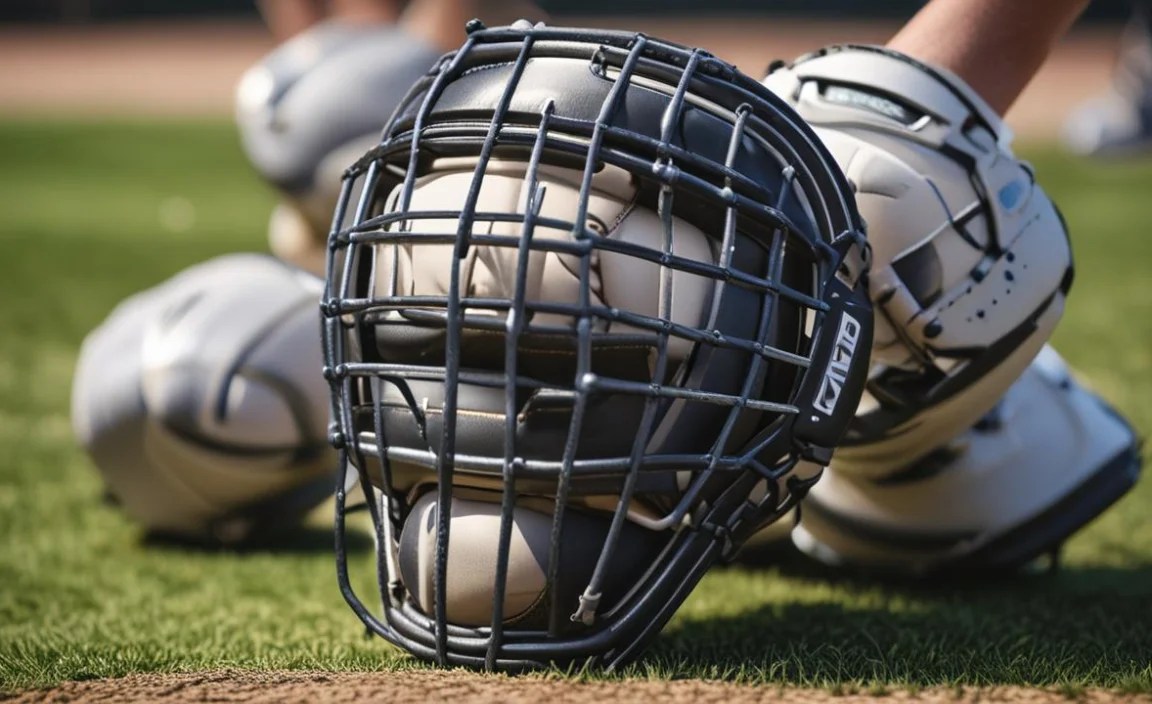
Even with a step-by-step guide, some common issues can pop up. Here’s how to tackle them:
- Knee Savers Sliding Down: This is often a sign that the straps aren’t tight enough or are mispositioned. Try tightening both upper and lower straps slightly. Ensure the upper straps are positioned on the wider part of your thigh, and the lower straps are snug against your calf muscle. Sometimes, repositioning the knee pad itself higher up on the thigh can help prevent slippage.
- Straps Digging In: If straps are causing discomfort, they are likely too tight. Loosen them immediately. If loosening doesn’t help, consider if the straps are rubbing against sensitive skin areas. You might need to adjust the position of the knee pad slightly or ensure you’re wearing appropriate athletic socks that create a bit of a buffer.
- Knee Pad Feels Uncomfortable or Moves Too Much: The knee pad should cradle your kneecap. If it feels off-center, reposition it. If it moves independently of the straps, the straps (especially the upper ones) might be too loose.
- Restriction of Movement: If you feel like your ability to squat or move laterally is hampered, loosen the straps slightly. Ensure the knee saver isn’t bunching up material behind your knee.
- Chafing or Irritation: This is usually a sign of friction. Make sure the knee saver isn’t sliding around and that the straps are adjusted for a secure, non-moving fit. Clean your knee savers regularly, as sweat and dirt can exacerbate irritation. Wearing moisture-wicking baseball pants can also help.
When to Consider Different Knee Saver Models
While Wilson offers excellent products, sometimes a specific model might not be the best fit for an individual’s anatomy or playing style. Here are a few considerations:
- Strap System Design: Some knee savers have a simple two-strap system (one upper, one lower), while others might have a more complex multi-strap setup for highly customizable fits. If you struggle with basic systems, a more adjustable model might be beneficial.
- Pad Shape and Thickness: Different players may prefer varying levels of padding. Some might want a thicker, more protective pad, while others prioritize a sleeker profile for maximum agility.
- Flexibility/Articulation: Advanced models might include hinges or flexible joints that allow the knee saver to follow the natural bend of your knee more closely. If you feel any stiffness with standard models, this could be an upgrade worth considering.
Wilson’s official website is a great resource for understanding the nuances of their different catcher’s gear offerings. For instance, looking at their official catcher’s gear page can give you an overview of their product lines and intended benefits.
Materials and Maintenance for Longevity
The materials used in your Wilson catchers knee savers are designed for durability and protection. Most pads are made from dense, high-impact foam, often with a plastic shell for structure. Straps are typically made from durable nylon or elastic blends. To ensure they last and maintain their effectiveness, proper maintenance is key:
- Cleaning: After games or practices, wipe down the knee pads with a damp cloth to remove dirt and sweat. Occasionally, you can use a mild soap and water solution, but always rinse thoroughly and allow them to air dry completely. Avoid harsh chemicals that can degrade the foam or plastic.
- Drying: Never store your knee savers wet. Dampness can lead to mold, mildew, and an unpleasant odor. Air dry them away from direct heat, which can warp the materials.
- Strap Care: Inspect the straps regularly for signs of wear and tear, such as fraying or loss of elasticity. If a strap is damaged, it might compromise the fit and safety, so consider replacement.
Proper care ensures your gear remains comfortable and protective, season after season. For more general baseball equipment care tips, resources from organizations like the USA Baseball can offer valuable insights into maintaining your athletic gear.
The Science of Catcher’s Knee Protection
Understanding why knee savers are so effective can enhance your appreciation for them. The primary goal is to mitigate the impact forces your knees endure. When you’re in a squatting position, the patella (kneecap) is vulnerable. Every time you catch a ball, block a pitch, or shift your weight, there’s a transfer of force. Knee savers work by:
- Distributing Impact: The pad spreads the force of any direct impact over a wider area of your knee, reducing the localized pressure.
- Absorption: The foam and padding absorb a significant portion of the shock, preventing it from jarring your knee joint.
- Stance Support: By helping to stabilize the knee area, they can indirectly support a more stable and comfortable catching stance, reducing the strain on your joints and muscles over long periods.
The science behind impact protection is critical in sports. Organizations like the National Center on Health, Physical Activity and Disability (NCHPAD) provides broader information on protective gear in sports to ensure accessibility and safety for athletes.
Wilson Catchers Knee Savers Fitting: A Comparative Look
While we’re focusing on Wilson, it’s helpful to see how their approach to knee saver fitting might compare to general best practices. Wilson is known for quality and player-centric design, meaning their strap systems are usually intuitive. However, the core principles of a good fit remain universal:
| Feature | Wilson Knee Savers (General Design) | General Best Practices |
|---|---|---|
| Strap Configuration | Typically a dual-strap system (thigh & calf) or multi-strap for advanced models. | Secure upper and lower straps are crucial for stability. |
| Pad Placement | Designed to center on the kneecap for optimal coverage. | Must cover the patella without obstruction; avoid misalignment. |
| Tightness Adjustment | Adjustable straps allow for personalized comfort and support. | Snug but not restrictive; avoid cutting off circulation or causing discomfort. |
| Dynamic Fit Test | Recommended to test in a squatting and moving position. | Essential to ensure gear moves with the athlete, not against them. |
The key takeaway is that while Wilson builds great gear, the athlete’s individual fit and comfort are paramount. The universal goal is a secure, stable, and comfortable fit that enhances protection without hindering performance.
Frequently Asked Questions (FAQ)
Q1: How tight should my Wilson catchers knee savers be?
They should be snug enough to stay in place during all your movements, but not so tight that they cause pain, numbness, or restrict blood flow. You should be able to comfortably slide a finger between the strap and your skin.
Q2: How often should I check the fit of my knee savers?
It’s a good idea to do a quick fit check before each game or practice, especially if they feel a bit off. Minor adjustments can make a big difference in comfort and performance throughout the day.
Q3: Can I wear knee savers without catcher’s leg guards?
While knee savers offer direct knee protection, catcher’s leg guards provide a much broader scope of protection for your shins, knees, and ankles, not to mention blocking foul tips. Knee savers are typically designed to be worn under or in conjunction with leg guards for enhanced comfort and padding for the knee itself.
Q4: What’s the difference between knee savers and knee pads?
The terms are often used interchangeably, but “knee savers” usually refers to a system with straps that attach a pad to your leg, specifically designed for catchers to wear with their leg guards. “Knee pads” can be a broader term for any padding worn on the knee for protection or comfort, including those used in construction or other sports.
Q5: My Wilson knee savers keep slipping down. What can I do?
This usually means the straps aren’t tight enough or are positioned incorrectly. Try tightening both the upper and lower straps a bit more. Ensure the upper straps are on the widest part of your thigh, and the lower straps are snug on your calf. You might also need to adjust the main pad’s position to better cradle your kneecap.
Q6: Are Wilson catchers knee savers comfortable for long periods?
When fitted correctly, yes! The comfort comes from a secure, non-restrictive fit that allows natural movement. If they are uncomfortable, it’s almost always an indication that the fit needs adjustment.
Q7: Can wearing knee savers help prevent injuries?
Yes, they significantly help. By absorbing impact and reducing stress on your knees, they can help prevent common catcher’s ailments like patellofemoral pain syndrome (runner’s knee) and general bruising or soreness from foul tips and hard impacts.
Conclusion: Play with Confidence and Comfort
Your comfort behind the plate is just as important as your performance. By taking the time to properly fit your Wilson catchers knee savers, you’re not just ensuring they stay in place; you’re investing in the longevity of your playing career and reducing the risk of discomfort and injury. Remember, a secure, dialed-in fit means greater freedom of movement, better reaction times, and the confidence to give your all on every pitch. Don’t let ill-fitting gear hold you back. Follow these steps, make those minor adjustments, and step onto the field knowing your knees are well-protected and comfortable. Now go out there and play ball!
