Wilson catchers knee savers are crucial gear for protecting your knees from impact and stress during baseball. They enhance comfort, reduce injury risk, and improve your squatting stability, allowing you to perform better behind the plate. Investing in quality knee savers, like those from Wilson, is a smart move for any catcher.
Hey everyone, John P. Miller here from FriskMode! If you’ve ever spent a day behind home plate, you know firsthand how much your knees take a beating. That constant crouching, blocking, and diving can leave them aching. It’s a common frustration for many catchers, especially when you’re just starting out or trying to improve your game. But don’t worry, there’s a simple solution that can make a huge difference: catcher’s knee savers. We’re going to break down exactly why these are so important and how they can help you stay in the game longer and more comfortably. Ready to give your knees the protection they deserve?
Why Do Catchers Need Knee Savers?
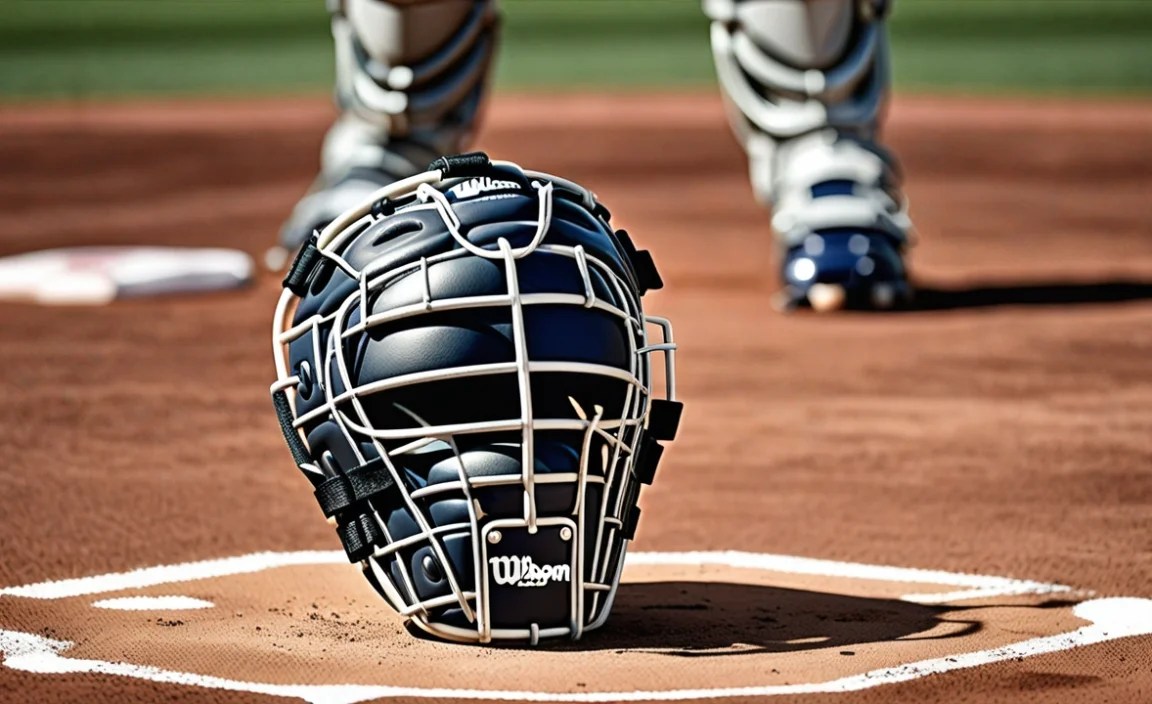
Catching in baseball is a demanding position. Your knees are constantly bent and absorbing impact. Think about it: every pitch you block, every foul tip you take, every slide into home plate – it all puts stress on those joints. Without proper support, this can lead to pain, inflammation, and even long-term injuries like patellar tendonitis or osteoarthritis. That’s where catcher’s knee savers come in. They’re specifically designed to cushion and support your knees, acting like shock absorbers for the intense demands of the catcher position.
These aren’t just bulky pads; they’re engineered pieces of equipment that make a real difference in performance and longevity on the field. They help distribute the pressure more evenly, reducing direct strain on your kneecaps and surrounding ligaments. This means less pain after a game and less chance of developing those debilitating chronic conditions that can cut a player’s career short.
The Impact of Poor Knee Protection
Ignoring knee protection is a risky game. Here’s what can happen:
- Pain and Discomfort: The most immediate effect is soreness and aching after playing. This can make it hard to focus and perform your best.
- Reduced Mobility: Persistent knee pain can limit your ability to squat, move laterally, and even walk comfortably.
- Increased Risk of Injury: Without adequate support, you’re more prone to acute injuries like sprains, strains, or meniscus tears, as well as overuse injuries.
- Long-Term Damage: Chronic stress on the knees can lead to conditions like arthritis, which can significantly impact your quality of life both on and off the field.
- Decreased Performance: When you’re worried about your knees hurting, your focus shifts from the game to your pain, affecting your reaction time and overall effectiveness.
What Are Wilson Catchers Knee Savers?

Wilson is a name synonymous with baseball equipment, and their catcher’s knee savers are no exception. These aren’t your average knee pads. They’re crafted with specific features to address the unique needs of a catcher. Typically, they are designed to be worn over your catcher’s leg guards, adding an extra layer of cushioning and support right where you need it most.
They often feature high-density foam or gel padding that conforms to the shape of your knee. Many designs also incorporate ergonomic shapes to ensure they stay in place and provide targeted support during deep squats and quick movements. Wilson’s commitment to quality means their knee savers are built to withstand the rigors of the game, offering durability and consistent protection game after game.
Key Features of Quality Knee Savers
When looking for effective knee savers, keep an eye out for these essential features, which you’ll often find in top-tier options like Wilson’s:
- High-Density Padding: This is crucial for absorbing shock and providing a comfortable buffer between your knee and the ground or catcher’s gear.
- Ergonomic Design: They should fit snugly and comfortably, without bunching up or slipping, allowing for freedom of movement.
- Durable Outer Material: The outer shell needs to be tough enough to resist abrasions from dirt, turf, and equipment.
- Breathability: Some designs incorporate breathable materials or vents to help manage heat and moisture, keeping you more comfortable during long games.
- Secure Straps: Adjustable straps ensure a customized, secure fit that prevents the knee savers from shifting during play.
How Wilson Catchers Knee Savers Work

The magic of catcher’s knee savers lies in their ability to diffuse impact and provide a stable base. When you’re in a deep catching squat, you’re essentially putting a lot of pressure on your patellar tendon and the cartilage around your kneecap. Knee savers act as a buffer, absorbing much of that shock before it reaches your joint.
They also help create a more natural and comfortable squatting position. By providing a padded surface to rest your knees on, they can help align your body more effectively, reducing strain. Think of them like the suspension system on a car – they smooth out the bumps and absorb the shocks, making the ride much easier on your body.
The Science of Knee Protection
The effectiveness of knee savers is rooted in basic biomechanics and material science. When you land on your knees or maintain a deep squat, the force is concentrated on a small area. Knee savers work by:
- Increasing the Surface Area: By distributing the force over a larger area of the knee, the pressure per square inch is significantly reduced.
- Energy Absorption: The viscoelastic properties of the padding (like memory foam or specialized gels) absorb kinetic energy, converting it into heat, which lessens the impact transferred to your knee joint.
- Stabilization: A well-fitting knee saver can provide a bit of stability, helping to keep your knee in a more neutral position and reducing the risk of unnatural twisting motions.
For a deeper understanding of how impact forces affect the body and how protective gear mitigates them, resources like those from the National Institutes of Health (NIH) on sports injuries offer valuable insights into injury prevention and mechanisms.
Choosing the Right Wilson Knee Savers

While Wilson offers excellent options, selecting the perfect pair of knee savers for your needs involves a few considerations. Not all knee savers are created equal, and what works for one player might not be ideal for another. Think about your playing style, the type of league you’re in, and what you prioritize most in your gear.
Factors to Consider:
- League Rules: Some youth leagues or specific associations might have regulations on the type or size of protective gear. Always check your league’s rulebook.
- Type of Play: Are you playing in a fast-paced adult league or a developmental youth league? The intensity and frequency of impact might influence your choice.
- Comfort and Fit: This is paramount. The best knee savers are those you forget you’re wearing. They should feel supportive, not restrictive.
- Durability: You want gear that will last. Cheaper options might wear out quickly, forcing you to replace them more often.
Popular Wilson Catcher’s Knee Saver Models (Examples):
Wilson has produced various knee saver models over the years, often integrated into their leg guard systems or offered as standalone accessories. While specific model numbers change, here’s a general idea of what to look for:
| Feature | Description | Benefit for Catchers |
|---|---|---|
| High-Density Foam Padding | Thick, resilient foam that absorbs impact. | Reduces knee pressure from blocking and squatting. |
| Ergonomic Shape | Contoured to fit the natural curve of the knee. | Provides targeted support and prevents slipping. |
| Durable Exterior | Tough fabric or synthetic material. | Withstands wear and tear from the field. |
| Adjustable Straps | Velcro or buckle closures for a secure fit. | Ensures knee savers stay in place during intense action. |
| Ventilation (in some models) | Perforated design or mesh inserts. | Helps keep knees cooler and drier. |
When purchasing, it’s a good idea to try them on if possible. If buying online, check product descriptions carefully for material details and ensure there’s a good return policy. Looking up reviews for “Wilson catchers knee savers for adults” will also give you real-world feedback from other users.
How to Properly Wear Catcher’s Knee Savers

Wearing catcher’s knee savers correctly is key to unlocking their full protective benefits. They are typically designed to be worn over your catching leg guards, but directly on your knees, or sometimes even over socks inside the leg guards depending on the specific design and your preference. Here’s a general guide:
- Ensure Leg Guards are On: Start by putting on your catcher’s leg guards as you normally would. Make sure they are secured and positioned correctly on your legs.
- Position the Knee Saver: Take your knee saver and place it directly over the knee area of your leg guard. The padded portion should be centered on your kneecap and the surrounding joint.
- Adjust the Straps: Most knee savers have straps. Adjust these so the saver is snug but not uncomfortably tight. You want it to feel secure, preventing it from shifting during play, but it shouldn’t restrict blood flow or movement.
- Check for Comfort and Mobility: While wearing them, perform some basic catcher movements: squat down, stand up, move side-to-side. Ensure the knee savers move with you and don’t cause chafing or bunching.
- Make Adjustments: If the knee saver feels loose, tight, or is sliding, readjust the straps. Finding the perfect fit might take a couple of tries.
Some catchers prefer to wear their knee savers directly over their compression gear or baseball pants, with the leg guards fitting over them. This can sometimes offer a more integrated feel. Experiment to see what feels best and provides the most reliable protection for you. The goal is a secure, comfortable fit that enhances, not hinders, your ability to play.
Common Mistakes to Avoid:
- Wearing them too loose: This reduces their effectiveness and can cause them to slip, becoming a distraction.
- Wearing them too tight: This can impede circulation and restrict movement, causing discomfort.
- Not wearing them with leg guards: For most catchers, knee savers are an additional layer of protection, meant to work in tandem with leg guards.
- Forgetting about them: They are designed to be comfortable and protective; you should be able to forget you’re wearing them once the game starts.
Benefits Beyond Protection
While safeguarding your knees is the primary function, Wilson catchers knee savers offer several other advantages that can boost your game:
Improved Squatting Stability and Comfort
A stable, comfortable squat is the foundation of a great catcher. Knee savers provide a cushioned surface that allows you to sink lower into your stance with less pressure. This improved comfort can help you maintain a good, athletic squat for longer periods, reducing fatigue and allowing you to focus on the pitch and the hitter.
Think about it: if your knees are screaming in pain every time you squat, you’re naturally going to sit higher, compromising your ability to frame pitches effectively and receive the ball cleanly. Knee savers help eliminate that pain-driven adjustment, leading to a more consistent and powerful stance.
Enhanced Performance Through Reduced Fatigue
When your knees are protected and comfortable, less energy is spent managing pain or compensating for discomfort. This means more energy can be directed towards executing plays, throwing accurately, and maintaining focus. Reducing knee fatigue can also help prevent lower back pain, as your body will be better aligned and supported.
A player who is less fatigued is a player who performs better. This translates to quicker transfers, more accurate throws, and a greater ability to make those crucial plays that win games. Investing in knee savers is investing in your overall stamina and game performance.
Long-Term Joint Health
This is perhaps the most significant, albeit less immediate, benefit. By consistently absorbing impact and reducing stress on your knee joints, you’re actively contributing to the long-term health of your knees. This can help prevent the onset or slow the progression of conditions like arthritis and other degenerative joint issues that can plague athletes later in life.
Protecting your knees now means you can continue to enjoy the game you love, and potentially other physical activities, for years to come. It’s a proactive approach to injury prevention that pays dividends down the road.
Are Wilson Catchers Knee Savers Worth It?
Absolutely. For any catcher, from a youth player to a seasoned veteran, the investment in quality knee savers like those from Wilson is more than justified. The cost of a good pair of knee savers is minimal compared to the potential costs of injury – both in terms of medical bills and the lost playing time. They directly address a major point of stress for catchers and provide tangible benefits that impact performance and comfort.
They might seem like a small piece of equipment, but their impact on your game and your body is significant. They aren’t just an accessory; they are an essential component of a catcher’s protective gear, just like a mask, chest protector, and shin guards. Prioritizing knee health means prioritizing your ability to play baseball effectively and safely throughout your career.
Frequently Asked Questions (FAQ)
Why do I need knee savers if I already have leg guards?
Leg guards protect the front and sides of your shins and knees from direct impact and foul tips. Knee savers provide an extra layer of cushioning and support specifically for the kneecap and joint itself, absorbing shock from crouching, blocking, and grounding. They work together for comprehensive protection.
Can adult catchers use youth knee savers?
While they might offer some protection, youth knee savers are generally smaller and less padded. For adult players, it’s highly recommended to use adult-sized knee savers designed for a larger frame and greater impact absorption. Look for “Wilson catchers knee savers for adults” to ensure the right fit and adequate protection.
How long do catcher’s knee savers typically last?
The lifespan of knee savers depends on the quality of materials, how often you play, and how you care for them. High-quality knee savers, like those from reputable brands such as Wilson, can last anywhere from one to three seasons of regular play. Look for signs of wear, like flattened padding or torn fabric, to know when it’s time for a replacement.
Are all knee savers the same size?
No, knee savers come in different sizes, and it’s important to choose ones that fit your leg guards and your body. While some might be one-size-fits-most, looking for specific adult sizes will ensure a better, more secure fit. Adjustability via straps is also a key feature for customization.
Can I wear knee savers without my leg guards?
While you can physically wear knee savers without leg guards, they are designed to be part of a complete catcher’s gear system. Leg guards offer crucial protection from direct impacts and foul tips to the shins and sides of the knees. Knee savers are an enhancement to this protection, not a replacement for leg guards.
How do I clean my catcher’s knee savers?
Most knee savers can be cleaned by hand with mild soap and cool water. Gently scrub soiled areas and rinse thoroughly. Allow them to air dry completely away from direct heat or sunlight, which can damage the padding. Always check the manufacturer’s care instructions for specific recommendations.
Conclusion
As we wrap up, it’s clear that Wilson catchers knee savers, and quality knee protection in general, are vital for any player who spends time behind the dish. They are a fundamental part of safeguarding your body against the repetitive, high-impact stresses of the catcher position. From providing essential cushioning and shock absorption to enhancing comfort and stability in your stance, these accessories play a significant role in both immediate performance and long-term joint health.
Don’t let knee pain hold you back or force you off the field prematurely. By understanding the importance of knee savers and choosing the right ones, you’re making a smart investment in yourself and your game. Prioritize your well-being, play with confidence, and enjoy the game for seasons to come. Thanks for joining me on FriskMode – keep training smart and playing hard!
