Wilson Catchers Knee Savers are crucial protective gear designed to shield young and developing knees from the impacts of catching. This guide explains what they are, why they matter, and how to choose the right ones for optimal safety and comfort on the field.
Hey ballplayers and parents! If you’ve ever seen a catcher get up from behind the plate after a long inning, you know how tough that job can be on the knees. Squats, lunges, and impacts can really take a toll. That’s where specialized gear comes in, and today we’re diving into a piece of equipment that might not get enough spotlight but is absolutely vital: Wilson catchers knee savers.
These aren’t just any pads; they’re designed specifically for the demands of the catcher’s position. We’ll break down exactly what they do, why they’re a smart investment for any serious catcher, and how to pick the perfect pair for your game. Get ready to protect those knees and play with more confidence!
What Exactly Are Wilson Catchers Knee Savers?
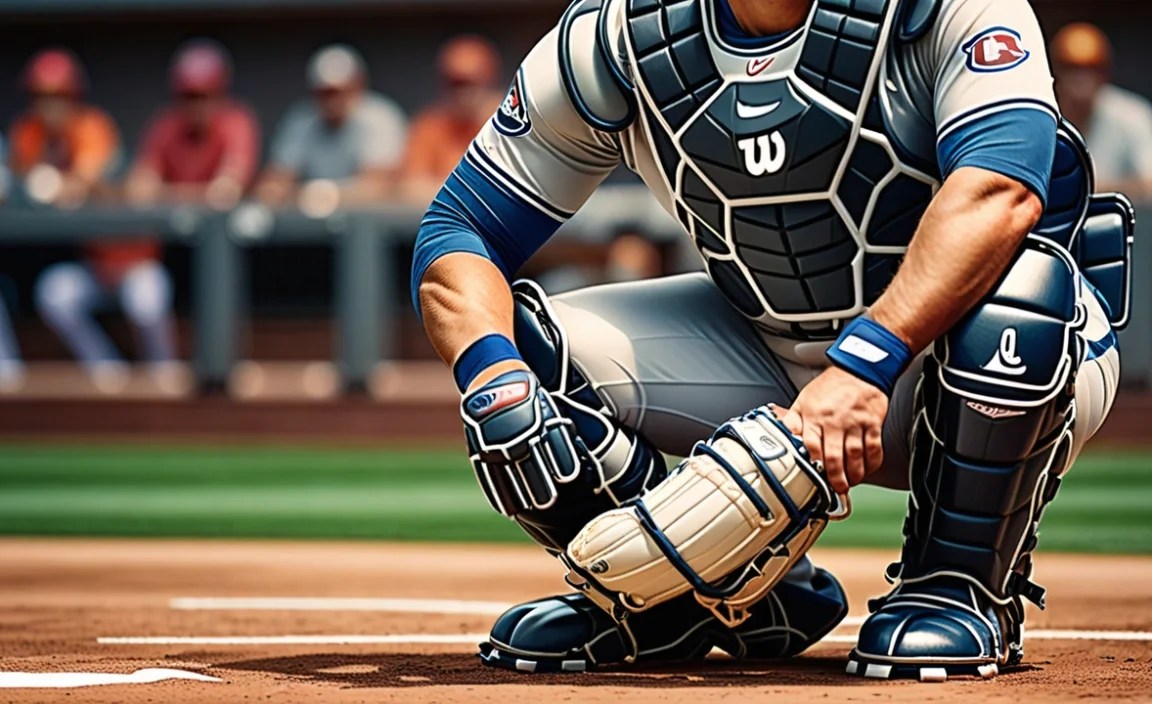
Wilson catchers knee savers, often referred to as knee savers or knee pads for catchers, are specialized protective equipment designed to be worn by baseball and softball catchers. They are typically made with a combination of durable outer materials and shock-absorbing inner padding. These pads are engineered to fit over or integrate with a catcher’s leg guards, providing an extra layer of cushioning and support directly to the knee joint.
The primary goal of knee savers is to mitigate the impact and stress that catchers experience on their knees throughout a game. This includes the constant squatting position, the jarring sensation from blocked pitches, and the quick movements required for throws or fielding bunts. By absorbing some of this force, they aim to reduce the risk of immediate injury and long-term wear and tear.
Why Are Knee Savers Important for Catchers?
The catcher’s position is one of the most physically demanding in baseball and softball. The repetitive stress on the knees can lead to a variety of issues if not properly addressed. Here’s why knee savers are so critical:
- Impact Absorption: Catchers constantly absorb the impact of pitches, especially those in the dirt that are blocked. Knee savers provide a crucial buffer, spreading out the force and reducing direct trauma to the kneecap and surrounding ligaments.
- Reduced Strain: Maintaining a deep squat for extended periods puts significant pressure on the knee joint. The additional padding can offer a more comfortable and less strenuous experience, allowing catchers to stay in their stance longer with less fatigue.
- Injury Prevention: While not foolproof, knee savers can help prevent common catcher-related knee injuries such as patellofemoral pain syndrome (runner’s knee), bursitis, and strains.
- Improved Performance: When a catcher is more comfortable and their knees are protected, they can focus better on the game. This leads to quicker reactions, more solid blocks, and better overall performance.
- Longevity in the Sport: Protecting the knees early in a player’s career can help ensure they can continue playing the sport they love for years to come without debilitating knee pain.
Understanding the Design of Wilson Knee Savers
Wilson, a renowned name in baseball equipment, designs its knee savers with the catcher’s specific needs in mind. While designs can vary slightly between models, most Wilson knee savers feature:
- Durable Outer Shells: These are typically made from tough synthetic materials like polyurethane or high-impact plastic. This outer layer is designed to withstand abrasions from the field and provide a firm base for the padding.
- Thick, Shock-Absorbent Padding: This is the core of the knee saver. Wilson uses various types of foam and padding technology to effectively absorb and dissipate impact forces. This cushioning is key to protecting the knee joint.
- Secure Strapping Systems: Most knee savers attach via adjustable straps (often Velcro) that go around the leg guard or directly onto the leg. These ensure the pads stay in place during intense movements.
- Ergonomic Fit: They are contoured to fit the natural shape of the knee and often designed to work seamlessly with typical catcher’s leg guards, providing full coverage without impeding movement.
- Ventilation Features: Some higher-end models may include vents or breathable materials to help manage heat and moisture, contributing to player comfort during long games.
Choosing the Right Wilson Catchers Knee Savers

When selecting Wilson catchers knee savers, several factors come into play to ensure you get the best protection and fit. It’s not just about grabbing the first pair you see; a little consideration goes a long way.
Key Factors to Consider:
Here’s what you should look for when making your choice:
- Player’s Age and Size: Younger players and those with smaller leg guards will need different sized knee savers than older, more experienced players. Wilson offers various sizes; ensure you match the knee saver to the catcher’s leg guard and general build.
- Level of Play: For recreational leagues or younger players, basic but effective padding might suffice. For more competitive levels or players who receive a lot of pitches, investing in models with advanced padding technology and superior durability is advisable.
- Type of Leg Guards: Some catcher’s leg guards have integrated knee protection that might be sufficient on its own. Knee savers are often designed to be worn over existing leg guards or to augment their protection. Check compatibility to ensure they fit snugly without creating awkward bulk.
- Padding Thickness and Material: Thicker padding generally offers better shock absorption. Materials like advanced memory foam or EVA foam are excellent choices. Higher-density foams provide more protection but can sometimes feel stiffer.
- Strap System: Look for secure, easy-to-adjust straps. Velcro straps are common and allow for quick adjustments, which is useful during a game or practice. Ensure the straps are long enough to fit comfortably around your leg guards or legs.
- Portability and Ease of Use: How easy are they to put on and take off? Do they add excessive weight to the gear? While protection is paramount, comfort and practicality are also important.
- Durability: Catchers’ gear takes a beating. You want knee savers that are made from high-quality materials that won’t wear out quickly. Check reviews for feedback on longevity.
Wilson Knee Saver Models and Features
Wilson offers a range of knee savers, often integrated into their leg guard systems or available as add-ons. While specific model names can change, here are common types of features you might find:
Many catchers opt for leg guards that have built-in knee padding. However, if you need an extra layer or are looking to upgrade, separate knee saver pads are available. These typically attach to existing leg guards.
Features to look for in Wilson’s lineup:
- Molded high-density foam: Offers excellent shock absorption and durability.
- Reinforced construction: To withstand constant impact and abrasion.
- Secure Velcro strap attachments: For a customizable and reliable fit.
- Ergonomic padding shape: Designed to conform to the knee and allow for natural movement.
Pros and Cons of Using Wilson Catchers Knee Savers
Like any piece of equipment, knee savers have their advantages and disadvantages. Understanding these can help you make an informed decision.
| Pros | Cons |
|---|---|
| Enhanced knee protection from impacts and stress. | Can add slight bulk and weight to equipment. |
| Increased comfort during prolonged squatting. | May require adjustment to get the perfect fit. |
| Helps prevent common catcher-related knee injuries. | An additional cost for gear. |
| Can improve focus and performance by reducing discomfort. | Some models might feel too stiff for very young players. |
| Durable materials provide long-lasting use. | May reduce airflow if not designed with ventilation. |
How to Properly Wear and Maintain Your Knee Savers

Getting the most out of your Wilson catchers knee savers involves more than just putting them on. Proper wear and maintenance are key to ensuring they provide the best protection and last a long time.
Attaching and Adjusting for a Secure Fit
The way you secure your knee savers will depend on the specific model and your leg guards. However, the general principle is to ensure they are snug but not restrictive.
- Understand Your Leg Guards: First, identify how your leg guards are designed. Do they have specific attachment points for knee savers, or are they meant to be worn over the existing knee padding of the guard?
- Position the Saver: Place the knee saver directly over your kneecap. The bulk of the padding should cover the front of your knee. Ensure it sits comfortably and doesn’t create pressure points.
- Secure the Straps: Most knee savers use adjustable straps, often Velcro. Wrap these straps around your leg or the leg guard and secure them firmly. Make sure they are tight enough so the pad doesn’t shift during movement, but not so tight that they cut off circulation or cause discomfort.
- Check for Movement: With the straps secured, gently move your legs as you would when catching – squat, lunge, and pivot. The knee saver should stay in place without slipping or bunching up.
- Fine-Tune: If any part feels too tight, dig in, or is too loose, readjust the straps. A good fit is crucial for both comfort and protection. You want full coverage and support without hindering your ability to move freely.
Maintenance for Longevity
Taking care of your knee savers will extend their lifespan and keep them performing at their best. Regular cleaning and inspection are important.
- Regular Cleaning: After each use, wipe down the exterior of the knee savers with a damp cloth to remove dirt, grass, and sweat. For deeper cleaning, you can use a mild soap and water solution, but always check the manufacturer’s instructions. Avoid harsh chemicals or abrasive cleaners.
- Drying Properly: Never put your knee savers in a clothes dryer or expose them to direct, intense heat, as this can damage the padding material. Always air dry them completely. It’s best to dry them in a well-ventilated area, away from direct sunlight.
- Inspect for Wear and Tear: Periodically check the padding for signs of wear, such as tears, thinning, or loss of resilience. Also, inspect the straps and stitching for any damage or fraying.
- Storage: Store your knee savers in a cool, dry place. Avoid leaving them crumpled or compressed for extended periods, as this can affect the padding’s shape and effectiveness. Many players store them with their other catcher’s gear.
Tips for Catchers Using Knee Savers
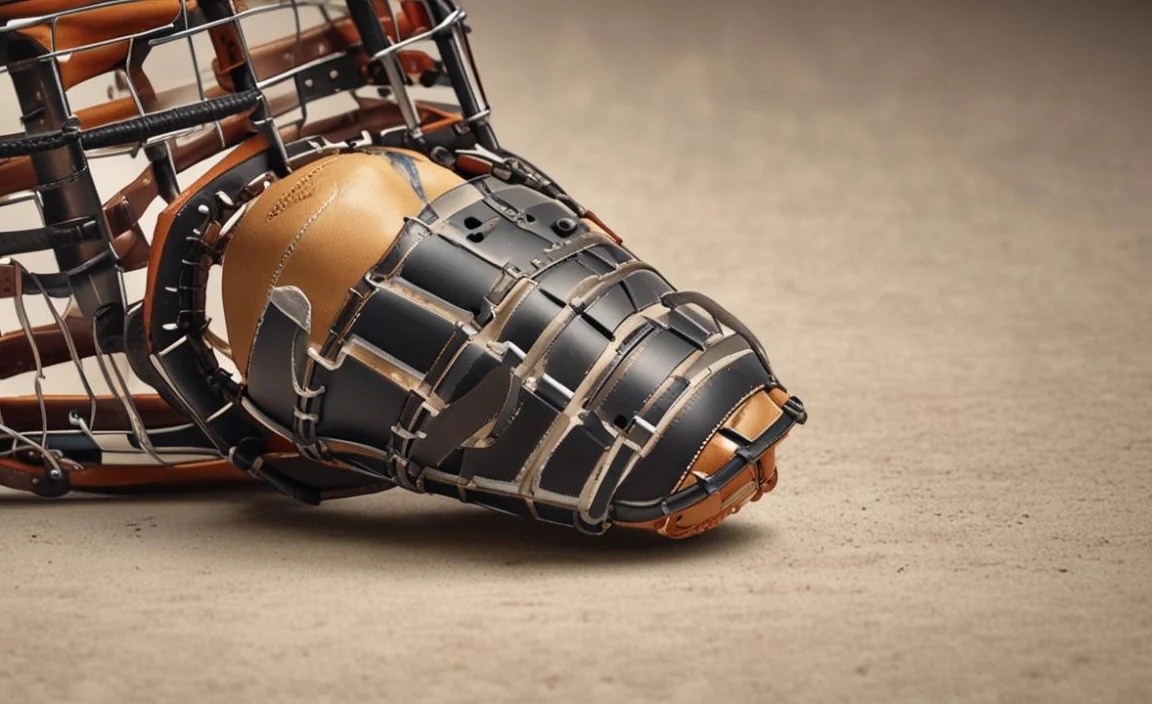
Beyond just wearing and maintaining your gear, there are smart ways to integrate knee savers into your game for maximum benefit.
Comfort and Performance on the Field
- Break Them In: Like any new piece of gear, knee savers might feel a bit stiff initially. Wear them during practice sessions to get used to them and allow them to mold to your knee.
- Listen to Your Body: Pay attention to how your knees feel. If you experience persistent discomfort even with knee savers, it might be time to re-evaluate the fit, consider different padding, or consult with a coach or athletic trainer.
- Integrate with Proper Technique: Knee savers are a supplement to, not a replacement for, good catching technique. Continue to work on your squat form, blocking technique, and defensive footwork. Proper technique itself is a form of injury prevention.
- Hydration and Conditioning: Proper hydration and strength training for the legs and core are vital for knee health, regardless of gear. Exercises like squats, lunges, and hamstring curls can significantly improve knee stability. For more on conditioning, check out resources like NCAA’s sport science guidance on athletic performance.
When to Consider Upgrading
Your knee savers might need an upgrade if:
- The padding has significantly flattened or lost its shock-absorbing ability.
- They are no longer providing adequate comfort or protection.
- The straps are worn out, and they no longer secure properly.
- You’ve outgrown your current gear or moved to a higher level of play requiring more advanced protection.
FAQ: Your Questions About Wilson Catchers Knee Savers Answered
Got questions about Wilson catchers knee savers? We’ve got you covered with straightforward answers designed for players and parents.
Q1: Are Wilson catchers knee savers really necessary for young players?
A1: Yes, especially for young players whose knees are still developing. The constant squatting and impact can put significant stress on growing joints. Knee savers add a vital layer of protection to help prevent injuries and discomfort.
Q2: How do I know what size knee savers to get?
A2: Check the sizing guide provided by Wilson or the retailer. Generally, they are sized based on the player’s age, size, and often, the size of their existing leg guards. Measuring your leg guard’s knee section can also help.
Q3: Can I wear knee savers over my regular baseball pants?
A3: Typically, knee savers are designed to be worn over catcher’s leg guards, which are worn over pants. Wearing them directly over pants without leg guards will not provide sufficient protection for the knee joint itself and will likely not stay in place.
Q4: How often should I replace my knee savers?
A4: This depends on usage and how well they are maintained. If the padding becomes compressed, torn, or no longer absorbs impact effectively, it’s time for a replacement. For a player who catches regularly, this might be every 1-2 seasons, while for a casual player, they might last longer.
Q5: Do Wilson knee savers affect my range of motion?
A5: Well-designed knee savers, like those from Wilson, are contoured to allow for a good range of motion. While they add a layer of padding, they shouldn’t significantly restrict your ability to squat, lunge, or move quickly if they are fitted correctly.
Q6: Can knee savers help with existing knee pain?
A6: Knee savers can help alleviate some pain caused by impact and pressure by providing extra cushioning and shock absorption. However, they are not a medical treatment. If you have persistent knee pain, it’s essential to consult a doctor or physical therapist for a proper diagnosis and treatment plan.
Q7: Are there any specific Wilson leg guard models that work best with separate knee savers?
A7: Wilson offers various leg guard series. Often, their professional or intermediate-level leg guards are designed with ample space and secure strapping points for add-on knee savers. It’s always best to check product descriptions or consult with a sports equipment specialist about compatibility with specific leg guard models.
Conclusion
As a catcher, your knees are your foundation. They take a beating game after game, and protecting them isn’t just about comfort; it’s about longevity in the sport and preventing injuries that could sideline you. Wilson catchers knee savers are a straightforward, effective way to add that crucial layer of defense.
By understanding what makes them effective, how to choose the right pair, and how to care for them, you’re setting yourself up for a safer, more comfortable, and ultimately, a better playing experience. Don’t let knee discomfort hold you back. Invest in your protection, focus on your game, and keep making those crucial plays from behind the plate!
