Wilson catchers leg guards offer a range of options for protection and comfort. This guide breaks down the best Wilson leg guards for your needs, helping you choose the perfect fit for blocking, throwing, and staying in the game longer.
The catcher’s position in baseball is one of constant action and demanding protection. From blocking pitches in the dirt to taking foul tips off the mask, catchers need reliable gear. Amongst the most crucial pieces of equipment are leg guards. They shield a catcher from injury, allowing them to focus on the game. But with so many options available, how do you pick the right ones, especially when looking at a brand like Wilson, known for its quality? It can feel overwhelming. Don’t worry; we’re here to simplify the process. We’ll compare some of the top Wilson catchers leg guards so you can make an informed decision and step behind the plate with confidence. Get ready to learn about comfort, protection, and mobility, all key factors in finding your best fit.
Why Wilson Leg Guards?
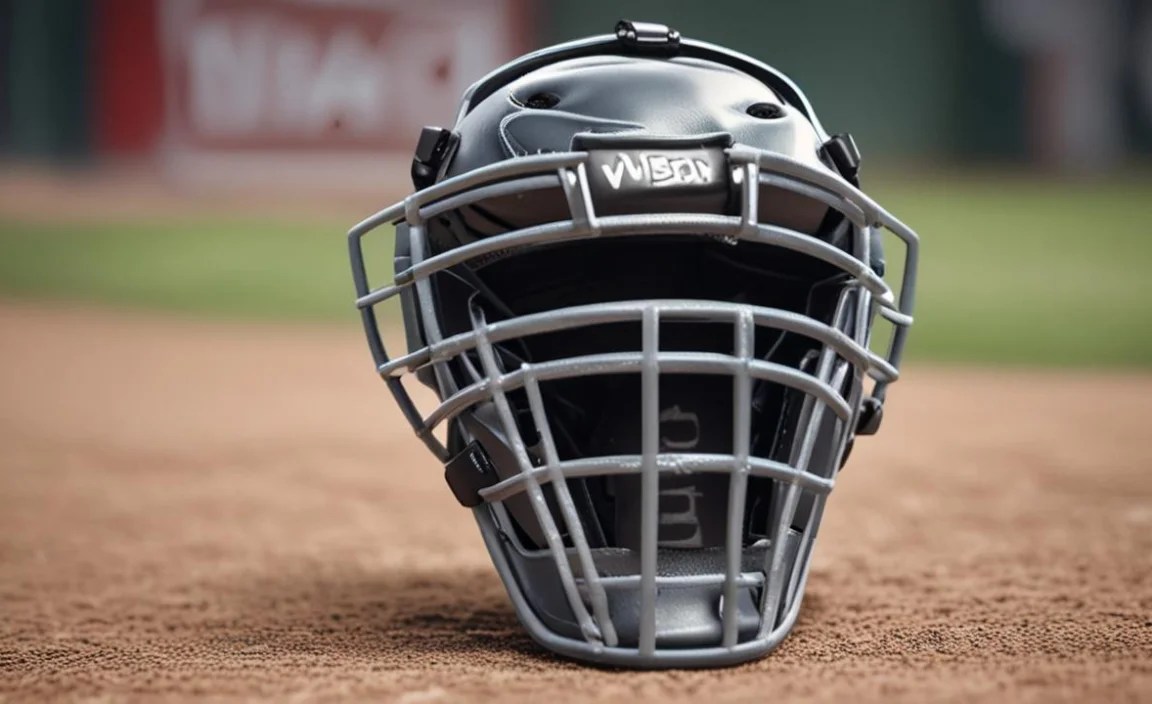
Wilson has been a trusted name in baseball for generations, synonymous with durable and high-performing equipment. When it comes to catcher’s gear, they understand the unique demands placed on players. Their leg guards are designed with the catcher’s protection and performance in mind, blending innovative technology with practical features. Whether you’re a seasoned pro or just starting, Wilson aims to provide gear that helps you play your best while staying safe. They focus on crucial elements like impact absorption, a secure fit, and breathable materials to ensure comfort throughout long games and practices.
Understanding Catcher’s Leg Guard Features

Before diving into specific Wilson models, let’s quickly touch on what makes a great catcher’s leg guard. Understanding these features will help you appreciate the differences between the models we’ll compare.
- Protection: This is paramount. Look for sturdy materials like high-impact plastic or composite, with ample padding to absorb shock from pitches and foul balls. Key areas to cover include the shins, patella (kneecap), and feet.
- Fit and Comfort: Leg guards need to stay in place without restricting movement. Adjustable straps are essential for a snug fit. Padding should be comfortable and breathable to prevent overheating and chafing.
- Mobility: While protection is key, you still need to be able to move. Hinged designs, flexible toe protection, and a low profile can improve agility for blocking and throwing.
- Durability: Catcher’s gear takes a beating. High-quality materials and construction ensure your leg guards will last through many seasons.
- Ventilation: Catching can get hot! Look for designs with vents or breathable liners to help keep you cool.
Top Wilson Catchers Leg Guards: A Detailed Comparison

Wilson offers a range of leg guards catering to different levels of play and preferences. Here’s a look at some of their standout models, making the “Wilson catchers leg guards comparison” easier for you.
1. Wilson Dyna-Mite Series Leg Guards
The Dyna-Mite series is often a go-to for younger players or those looking for a balance of protection and affordability. They are designed to be lightweight and easy to manage.
- Target User: Youth, Junior Varsity players, or recreational leagues.
- Key Features:
- Durable plastic shell for impact resistance.
- Generous padding for comfort and shock absorption.
- Multiple adjustable straps for a secure fit.
- Often features a pivoting knee design for better mobility.
- Lightweight construction for easier movement.
- Pros:
- Excellent value for the price.
- Good protection for developing players.
- Comfortable for extended wear.
- Easy to put on and take off.
- Cons:
- May not offer the same level of advanced protection as higher-end models.
- Straps can sometimes wear out faster with heavy use.
Design Philosophy of the Dyna-Mite Series
The philosophy behind the Dyna-Mite series is accessibility and fundamental protection. Wilson understands that developing players need gear that won’t impede their learning or cause discomfort. These guards are engineered to be robust enough to withstand the rigors of gameplay for younger athletes while remaining lightweight and forgiving. The materials are chosen for their impact resistance, ensuring that stray pitches and foul tips are managed effectively. Comfort is also a significant consideration, with ample padding and well-placed straps designed to conform to a younger player’s legs, allowing them to focus on developing their catching skills without distractions.
2. Wilson Pro Series Catcher’s Leg Guards
Stepping up in performance and protection, the Pro Series is built for more serious players who demand top-tier gear. These guards offer advanced features for enhanced safety and agility.
- Target User: High School, Collegiate, and Adult players.
- Key Features:
- High-impact ABS plastic shell reinforced for superior protection.
- Advanced, multi-density padding system for maximum shock absorption.
- Strategic ventilation to help manage heat build-up.
- Triple knee design for excellent flexibility and fit.
- Extended shin and foot protection.
- Reinforced toe cap for added durability and impact resistance.
- Secure, durable strap systems, often with quick-release buckles.
- Pros:
- Exceptional protection against high-velocity pitches.
- Superior comfort and fit due to advanced padding and design.
- Enhanced mobility with triple knee and flexible toe.
- Built for durability and long-term use.
- Effective heat management.
- Cons:
- Higher price point.
- Can be slightly heavier than entry-level models, though often better balanced.
The Engineering Behind Pro Series Protection
Wilson’s Pro Series leg guards are a testament to their commitment to advanced player safety. They employ a layered approach to protection, starting with a robust outer shell made from high-grade ABS plastic. This shell is strategically contoured to deflect impacts and distribute force. Beneath this, multi-density foams work in tandem to absorb and dissipate energy from foul balls and pitches. The knee protection is particularly noteworthy, often featuring a triple-jointed design that allows the guard to flex and move with the player’s leg, providing coverage whether in a squat or in motion. Ventilation channels are thoughtfully integrated to allow air to circulate, a critical factor for comfort during intense games. For more on the importance of proper gear fit, consider resources from organizations like the National Federation of State High School Associations (NFHS), which emphasizes safety through correct equipment.
3. Wilson A2000 Series Catcher’s Gear (Often Includes Matching Leg Guards)
While the A2000 line is most famous for gloves, Wilson often designs matching catcher’s gear, including leg guards, that embodies the same quality and attention to detail. These are typically premium offerings.
- Target User: Elite High School, Collegiate, Professional players, serious adult players.
- Key Features:
- Premium materials, often incorporating features used in their top-tier glove lines.
- Advanced ergonomic design for optimal fit and range of motion.
- Superior impact dispersion technology.
- Plush, moisture-wicking internal padding for maximum comfort.
- Customizable strap systems for a personalized fit.
- Sleek, professional aesthetic.
- Pros:
- Unparalleled protection and comfort.
- Designed for peak performance and agility.
- Highest level of durability and craftsmanship.
- A perfect match for A2000 gloves, offering a cohesive look.
- Cons:
- The most expensive option.
- May be overkill for beginner or intermediate players.
The “A2000 Standard” in Leg Guards
The A2000 standard implies a benchmark of excellence. When Wilson applies the A2000 name to leg guards, expect them to be built with the same meticulous attention to detail found in their iconic gloves. This means premium-grade plastics, advanced composite materials, and perhaps even specialized foams tested for optimal impact absorption. The interior padding is likely a cut above, using materials that perform well against sweat and abrasion while offering a luxurious feel. The fit is designed to be almost custom, allowing players to dial in the perfect pressure and alignment with adjustable straps and ergonomic contours. This series is for the catcher who treats their gear as an extension of their own body, demanding the absolute best in protection, comfort, and performance.
Comparing Key Specifications: A Snapshot

To help visualize the differences, here’s a table that summarizes some of the common specifications you might find across different Wilson leg guard lines. Note that specific model numbers within a series can vary slightly.
| Feature | Wilson Dyna-Mite Series | Wilson Pro Series | Wilson A2000 Series (if available) |
|---|---|---|---|
| Primary User | Youth / Beginner | Intermediate to Advanced | Elite / Professional |
| Protection Level | Good / Standard | Excellent / High Impact | Superior / Maximum Impact |
| Padding | Standard Foam | Multi-Density Foam | Premium, Moisture-Wicking Foam |
| Knee Design | Single or Pivoting | Triple Knee | Advanced Ergonomic/Multi-Joint |
| Weight | Light | Medium | Optimized/Light-Medium |
| Ventilation | Basic | Enhanced | Advanced |
| Price Point | $ | $$ | $$$ |
| Durability | Good | Very Good | Excellent |
How to Choose the Right Wilson Leg Guards for You
Selecting the best leg guards from Wilson involves considering your specific needs and level of play. Here’s a straightforward approach:
- Assess Your Level: Are you a beginner, an intermediate player, or a seasoned veteran? Younger players often benefit from lighter, more forgiving gear like the Dyna-Mite series. Intermediate and advanced players will likely find the superior protection and mobility of the Pro Series or A2000 to be more suitable.
- Consider Your Budget: Wilson offers options across a range of prices. The Dyna-Mite series generally offers the best value for budget-conscious players. The Pro Series represents a mid-range investment for enhanced performance, and the A2000 (if available) is the premium choice.
- Prioritize Protection vs. Mobility: For most, a balance is key. However, if you’re a power hitter who also catches, you might lean towards maximum protection. If speed and agility are your game’s hallmarks, ensure the guards don’t hinder your movement. Look for features like triple-knee designs.
- Try Before You Buy (If Possible): The best way to know if leg guards are right for you is to try them on. Check for a snug fit, ensure there are no pressure points, and move around in them. Simulate squatting, standing, and even shuffling to see how they feel.
- Read Reviews: While this guide provides an overview, check online reviews from other players who have used the specific models you’re considering. Real-world experiences can offer valuable insights.
- Consult Your Coach: If you have a coach, they can offer personalized advice based on your playing style and the demands of your team.
Maintenance Tips for Your Wilson Leg Guards
To get the most life out of your Wilson catchers leg guards and keep them performing at their best, follow these simple maintenance tips:
- Cleaning: After each use, especially in hot or humid weather, wipe down the exterior of your leg guards with a damp cloth to remove dirt and sweat. For deeper cleaning, use a mild soap and water solution, but avoid harsh chemicals that can damage the plastic or padding.
- Drying: Always allow your leg guards to air dry completely before storing them. Stuffing them with newspaper or using a boot dryer on a low setting can help absorb moisture. Never store them wet, as this can lead to odor and deterioration of the padding.
- Strap Care: Periodically check the condition of the straps and buckles. Ensure they are free of debris and that the velcro still has good adhesion. If straps become frayed or worn, consider replacing them to maintain a secure fit.
- Storage: Store your leg guards in a cool, dry place, away from direct sunlight. Avoid tightly packing them with other gear, which can cause them to deform. Ideally, hang them or store them loosely in a gear bag.
- Inspection: Regularly inspect your leg guards for any cracks in the plastic, tears in the padding, or loose stitching. Early detection of damage can often lead to simple repairs and prevent more significant problems down the line.
FAQ: Your Questions About Wilson Catchers Leg Guards Answered
Q1: Are Wilson leg guards good for a beginner’s budget?
Yes, Wilson offers models like the Dyna-Mite series that are designed to be affordable while still providing good protection for developing players. They offer excellent value for those starting out.
Q2: How do I know what size leg guards to get?
Sizing is typically based on a player’s height or leg length. Most manufacturers provide a size chart. It’s also crucial to ensure the leg guards fit snugly and comfortably around your shins, knees, and feet. Adjustable straps are key to achieving this fit.
Q3: Can I use adult-sized leg guards if I’m a younger player?
It’s generally not recommended. Adult-sized leg guards can be too large, leading to a poor fit, reduced mobility, and potentially less effective protection. Always try to find gear designed for your age and size category.
Q4: How much protection do the knee caps offer?
Wilson leg guards, especially the Pro and A2000 series, feature robust knee protection, often with hinged designs that cover the entire kneecap and extend down the shin. This is a critical area for absorbing impact from blocked pitches and foul balls.
Q5: Are Wilson leg guards comfortable for long games?
Comfort is a high priority for Wilson. Their higher-end models feature multi-density padding, breathable materials, and strategic ventilation to maximize comfort even during extended periods of play. The fit also plays a significant role in comfort.
Q6: How do I clean my Wilson catchers leg guards?
Typically, you can wipe them down with a damp cloth and mild soap. Ensure they are thoroughly air-dried before storing to prevent moisture buildup and odor. Always refer to any specific care instructions provided by Wilson.
Q7: What’s the main difference between Wilson’s entry-level and pro-level leg guards?
The main differences lie in the materials used, the complexity of the design (e.g., triple-knee articulation), the amount and type of padding, ventilation systems, and overall durability. Pro-level guards offer superior protection, comfort, and mobility.
For more on equipment standards and recommendations, you can also consult official baseball organizations like MLB Gear, which sometimes offers insights into recommended equipment for different levels of play.
Conclusion: Your Best Defense Starts Here
Choosing the right Wilson catchers leg guards is an investment in your protection, comfort, and performance on the field. Whether you opt for the reliable value of the Dyna-Mite series, the enhanced performance of the Pro Series, or the elite craftsmanship of the A2000 line, Wilson consistently delivers quality gear. By understanding your own needs—your level of play, your budget, and your priorities for protection and mobility—you can confidently select the leg guards that will best serve you. Remember to prioritize a proper fit, and with a little care, your new leg guards will be a dependable part of your catcher’s arsenal for seasons to come. Now, go out there and block those pitches with confidence!
