Your Wilson catchers leg guards should fit snugly, allowing for unrestricted movement without slipping. Proper fitting ensures maximum protection and comfort, crucial for any catcher’s performance. This guide will walk you through achieving the perfect fit.
Catching involves a lot of squatting, moving, and blocking. The right leg guards make a huge difference in how protected and comfortable you feel behind home plate. If your leg guards are too tight, they can restrict your movement and cause chafing. If they’re too loose, they might slip or slide, leaving you vulnerable. Getting that perfect fit might seem tricky, but it’s actually quite straightforward. This guide will help you find the right size and adjust your Wilson leg guards so you can focus on the game, not your gear.
Why Proper Wilson Catcher’s Leg Guard Fit Matters

A well-fitting set of leg guards is more than just a piece of equipment; it’s your primary defense against foul balls and errant pitches. When your Wilson leg guards fit correctly, they stay in place, offering consistent protection where you need it most. This means less time worrying about your gear and more time concentrating on calling pitches and making plays.
Protection is Paramount
The most obvious reason is safety. Catcher’s leg guards are designed to absorb the impact of baseballs, helping to prevent injuries to your shins, knees, and ankles. When they fit properly, the protective padding is positioned precisely over these critical areas, allowing it to do its job effectively. Loose guards can shift, exposing parts of your leg to impact.
Comfort Enhances Performance
Imagine trying to make a quick block on a low pitch with guards that pinch your knees or slide down your shins. It’s not only uncomfortable but can actually hinder your ability to move freely. Well-fitting leg guards feel like a natural extension of your body, allowing for quick adjustments and maximum agility. This comfort translates directly to better performance on the field.
Durability and Longevity
Gear that fits poorly is more prone to wear and tear. If straps are constantly being pulled too tight or the guards are rubbing against your legs in the wrong places, you can shorten their lifespan. Proper fitting ensures that the stress is distributed correctly, helping your Wilson leg guards last longer.
Understanding Wilson Catcher’s Leg Guard Sizing

Wilson, like most baseball equipment manufacturers, offers their leg guards in various sizes, typically broken down by age group or specific measurements. Knowing how to measure yourself is the first, most crucial step.
Key Measurements for Leg Guards
To find the right size, you’ll need a flexible measuring tape. Stand with your cleats on, as you’ll be wearing them during a game.
Knee to Ankle (Shin Length): This is the most critical measurement. Place the tape measure at the center of your kneecap and extend it down to the top of your instep (where your shoe meets your foot).
Thigh Circumference: Measure around the fullest part of your thigh, about 6-8 inches above your kneecap.
Calf Circumference: Measure around the fullest part of your calf.
General Sizing Guidelines (Always check Wilson’s specific charts!)
While sizes can vary slightly by model, here’s a general idea. It’s always best to consult Wilson’s official sizing chart for the most up-to-date and accurate information.
| Size | Shin Length (Inches) | Typical Age Group |
| Youth | 12-15 | 7-12 |
| Intermediate | 15-17 | 10-14 |
| Adult | 17+ | 13+ |
It’s important to remember that these are general guidelines. A taller player in a younger age group might need an Intermediate or Adult size, and vice-versa. Always prioritize your actual measurements over age recommendations.
How to Fit Wilson Catcher’s Leg Guards: A Step-by-Step Guide

Once you have your measurements, it’s time to try on or select your leg guards. The goal is a secure, comfortable fit that doesn’t hinder movement.
Step 1: Measure Yourself Accurately
As detailed above, grab a tape measure and get your shin length, thigh circumference, and calf circumference. If possible, have someone help you take these measurements for greater accuracy.
Step 2: Consult the Sizing Chart
Using your measurements, refer to the official Wilson sizing chart for the specific model of leg guards you are interested in.
Step 3: Try Them On (If Possible)
The best way to ensure a good fit is to try them on.
- With your baseball pants on, put on your catcher’s mask and helmet (to get a feel for the full gear setup).
- Slide your legs into the leg guards.
- Secure the straps. Start with the shin straps, then the knee straps, and finally the thigh straps. Adjust them so they are snug but not constricting.
Step 4: The Movement Test
This is where you confirm the fit.
- Squat down as if you were in a catching stance. Do the guards dig into your knees or restrict your ability to get low?
- Stand up and then quickly crouch again. Do the guards stay in place or do they slip down?
- Take a few quick steps to your left and right, simulating blocking a pitch. Do the guards bunch up, rub, or feel unstable?
- Check for any pressure points or areas of discomfort.
Step 5: Strap Adjustment Secrets
The way you fasten the straps makes a significant difference.
- Top Thigh Straps: These keep the guards from sliding down. They should be snug enough to hold them up but not so tight that they cut off circulation or dig into your upper thigh.
- Knee Straps: These are crucial for keeping the knee protection aligned. They should secure the knee cup comfortably over your kneecap.
- Shin Straps: These ensure the lower portion of the guard stays put. They should be firm, preventing slippage, but avoid over-tightening, which can cause calf fatigue.
If you can’t try them on, rely on your measurements and the sizing chart. If they arrive and don’t fit, don’t hesitate to exchange them.
Common Fitting Issues and How to Solve Them
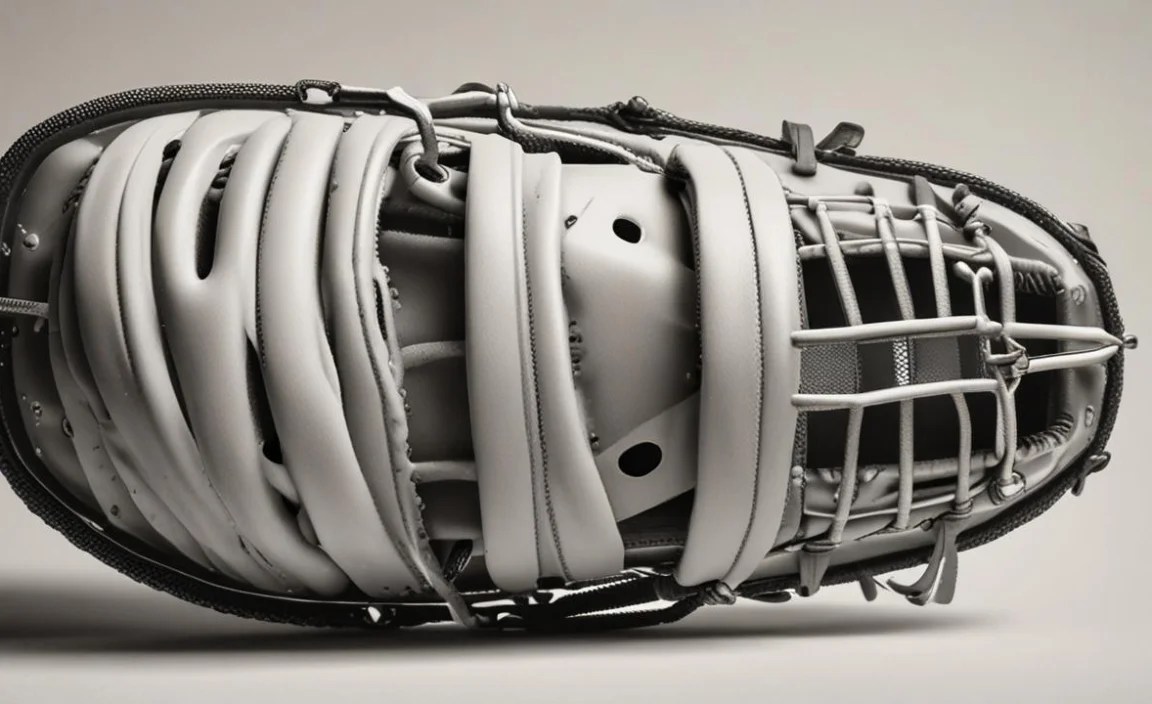
Even with guidance, you might encounter some fit issues. Here’s how to tackle them:
Leg Guards Slipping Down
Cause: Straps are too loose, or legs are too slim for the guard.
Solution:
Tighten the top thigh straps first.
Ensure the knee cup is properly positioned. Sometimes, a guard will slide if the knee isn’t sitting correctly in the designed pocket.
If your calves or thighs are particularly slim, consider if there’s a “slim” or “youth” version of the guard that might offer a better profile, even if your shin length suggests otherwise.
Some players add a thin, breathable sweat-wicking sleeve under the guards to provide a bit more grip.
Guards Digging into Knees or Shins
Cause: Straps are too tight, or the leg guard is too long/short for your leg proportions.
Solution:
Loosen the straps. You might be overtightening them in an attempt to prevent slippage.
Adjust the positioning of the knee cup. It should rest over your kneecap, not push into it.
Ensure you have the right length. If the guard’s knee joint is positioned too high or too low on your leg, it will cause discomfort. Refer back to the shin length measurement.
Knee Protection Misaligned
Cause: Straps are not secured correctly, or the guard is too wide at the knee.
Solution:
Focus on getting the knee straps snug after the thigh straps are set.
Ensure the knee cup itself is centered over your kneecap before tightening any shin straps.
If the knee cup consistently drifts, it might be a sign that the guard’s internal structure isn’t a good match for your knee shape, or the guard is simply too large.
Discomfort in the Foot/Ankle Area
Cause: Guards are too long, causing the toe piece to interfere with your cleat or foot movement.
Solution:
Re-check your shin length measurement. The guard should end at the top of your instep, not extend past it.
Ensure the straps are adjusted so the toe piece is secure and not flapping.
Different Wilson Catcher’s Leg Guard Models and Their Fit Nuances

Wilson offers a range of catcher’s gear, and different models might have subtle differences in their fit characteristics. While the foundational fitting principles remain the same, it’s good to be aware of potential variations.
Wilson Pro Series vs. A4 Series
Pro Series: Often designed for higher levels of play, these might have a more anatomically molded fit. They can feel more secure out of the box but might require precise strap adjustments to get perfect as they are more form-fitting.
A4 Series: Generally geared towards youth and amateur players, these tend to be more forgiving in their fit. They often feature a generous padding system and can be easier to adjust for a wide range of leg shapes.
Customization and Fit Adjustments
Most modern leg guards, including Wilson’s, feature adjustable straps. However, some high-end models might offer removable padding components or different strap configurations that allow for minor customization to your leg’s contours. Always check the product description for these features. If you’re looking for a truly custom fit, some specialized sporting goods stores offer custom fitting services, though this is less common for leg guards compared to, say, skates or helmets.
Maintaining Your Wilson Catcher’s Leg Guards for Optimal Fit and Performance
Proper care ensures your leg guards continue to fit well and offer maximum protection.
Cleaning Your Leg Guards
Regular Cleaning: After each use, wipe down the exterior with a damp cloth to remove dirt and sweat. This helps prevent odor buildup and keeps the material in good condition.
Deep Cleaning: Occasionally, you’ll want to give them a more thorough clean. Many leg guards can be hand-washed with mild soap and cool water. Ensure you read the care instructions on your specific model, as some padding or materials might be sensitive.
Drying: Always air dry your leg guards completely after cleaning. Never put them in a dryer, as the heat can damage the plastics and padding. Ensure all straps are fastened loosely during drying so they don’t misshape.
Inspecting for Wear and Tear
Regularly check all straps for fraying or tears.
Inspect the plastic shell for cracks or deep gouges.
Check the padding. Is it compressed or worn out? Worn padding reduces protective efficiency.
Ensure all buckles and Velcro closures are still secure and functional.
A well-maintained leg guard will maintain its shape and fit longer, providing reliable protection game after game. According to the National Safety Council, proper fitting and maintenance of protective athletic gear is crucial for preventing injuries.
Frequently Asked Questions About Wilson Catcher’s Leg Guard Fitting
Q1: How do I know if my Wilson catcher’s leg guards are too tight?
A: If your leg guards feel like they are pinching, restricting blood flow (tingling or numbness), or causing discomfort even after a short period of wear, they are likely too tight. You should be able to wiggle your toes and feel no severe pressure on your calves or thighs.
Q2: My leg guards slip down even when I tighten the straps. What can I do?
A: Ensure the top thigh straps are snug but not cutting off circulation. If slippage persists, your leg shape might not be ideal for that specific guard model, or your legs might be too “slippery” due to smooth pant material. Consider trying a different model designed for a more athletic or slender build, or wear a thin, grippy underlayer on your legs.
Q3: Can I wear my leg guards over my pants or under my pants?
A: Wilson catcher’s leg guards are designed to be worn over baseball pants. The padding and construction are meant to go on the outside to provide maximum protection from direct impact.
Q4: How often should I replace my Wilson catcher’s leg guards?
A: This varies based on usage, care, and the level of play. However, if the padding is significantly compressed, cracked, or the straps are damaged and cannot be secured properly, it’s time for a replacement to ensure adequate protection. A good rule of thumb is to inspect them annually for any signs of wear.
Q5: What’s the difference between youth and adult sizes for leg guards?
A: Youth sizes are typically shorter and narrower to fit younger players with developing bodies. Adult sizes are longer and often wider to accommodate larger legs and provide coverage for older players. Always measure to confirm the correct size, regardless of age.
Q6: Will wearing shin sleeves affect the fit of my leg guards?
A: A thin, moisture-wicking shin sleeve generally won’t significantly alter the fit of well-adjusted leg guards. It can even help prevent chafing and provide a bit of extra grip. However, very thick or padded sleeves might make the guards feel tighter, so always test the fit with any underlayers.
Conclusion: Your Perfect Fit Awaits
Finding the right fit for your Wilson catcher’s leg guards is a straightforward process when you know what to look for. It’s not just about choosing the right size; it’s about understanding how the straps work together to create a secure, comfortable, and protective barrier. By taking accurate measurements, consulting sizing charts, and performing the all-important movement test, you can ensure your leg guards won’t let you down when you need them most.
Remember, safety and performance go hand-in-hand. Well-fitting gear allows you to focus on your game, make those crucial blocks, and play with confidence. Don’t settle for anything less than a perfect fit. With a little attention to detail, your Wilson leg guards will become a reliable extension of your defensive prowess, helping you play your best game, every game.
