Wilson catcher’s shin guards, when customized, offer the perfect blend of safety and personalized fit. Understanding how to choose and customize them ensures superior protection, reduces fatigue, and boosts your confidence behind the plate. Let’s get your gear dialed in!
Baseball is a game of inches, and behind home plate, those inches can mean the difference between a close play and a game-changing moment. For catchers, the equipment isn’t just about looking the part; it’s about crucial protection. Among the most vital pieces of gear are shin guards. While standard shin guards offer a baseline level of safety, a customized fit can elevate your game by providing unparalleled comfort and defense.
Many young players, and even some experienced ones, overlook the specific needs of their shin guards. They might be too loose, too tight, or just not shaped right for their legs. This can lead to discomfort during long games and practices, and more importantly, reduce their effectiveness in blocking pitches or protecting against foul balls. FriskMode is here to guide you through the world of customizing your Wilson catcher’s shin guards, ensuring you have the essential protection you need to play with confidence and focus on the game. We’ll break down what makes a great shin guard, how customization plays a role, and what you need to know to make sure your gear fits like a glove – or rather, like a perfectly molded guard.
Why Customized Wilson Catcher’s Shin Guards Matter

When you’re squatting for hours, diving for foul tips, and absorbing the impact of pitches, your lower legs are under immense stress. Standard-issue shin guards are designed for a general audience, but every player is unique. Customization addresses this by tailoring the gear to your specific anatomy and playing style.
Benefits of a Perfect Fit
A well-fitted shin guard does more than just look good. It actively contributes to your performance and safety:
- Enhanced Protection: Guards that fit perfectly mold to your leg, leaving fewer gaps for foul balls or errant pitches to sneak through. They stay in place, offering consistent protection.
- Improved Comfort: Ill-fitting guards can chafe, pinch, and dig into your skin. Customization eliminates these pressure points, allowing you to stay focused on the game, not your gear.
- Reduced Fatigue: When shin guards don’t shift or feel awkward, you can move more freely. This reduces unnecessary muscle strain and helps you last longer behind the plate.
- Increased Agility: Shin guards that are too bulky or don’t allow for natural leg movement can hinder your ability to block and transfer. A custom fit ensures you can move efficiently.
- Durability: Gear that fits well is less likely to experience stress points that lead to premature wear and tear. You’ll get more life out of your investment.
Understanding Your Wilson Catcher’s Shin Guard Options

Wilson is a trusted name in baseball equipment, and their catcher’s gear is no exception. For shin guards, Wilson offers various models that can be further enhanced through customization.
Key Features to Look For
When considering Wilson shin guards, keep these features in mind:
- Material: Most high-quality shin guards use durable plastics, often ABS or a similar composite, offering excellent impact resistance. Padding inside, typically foam or memory foam, provides shock absorption and comfort.
- Coverage: Shin guards vary in how much of your leg they protect. Look for guards that cover the entire shin and extend to protect your patella (kneecap) and the top of your foot.
- Ventilation: Catching is a hot job! Guards with strategic vent holes can help keep your legs cooler, reducing sweat and improving comfort.
- Straps: The adjustability and quality of the straps are crucial for a secure fit. Look for sturdy elastic or Velcro straps that won’t loosen during play.
The Customization Advantage
While Wilson offers excellent off-the-shelf options, true customization goes beyond just adjusting straps. It can involve:
- Personalized Sizing: Some higher-end models or custom order services allow for exact measurements to be taken for a truly bespoke fit.
- Custom Padding: In some cases, you might be able to select or add thicker padding in key impact areas for even greater protection and comfort.
- Color and Design: While not directly related to protection, many custom options allow for personalization of colors and even adding names or numbers, making the gear uniquely yours.
How to Choose the Right Wilson Shin Guards for You

Selecting the right shin guards is the first step before any customization can happen. It’s about understanding your needs and what Wilson offers.
Assessing Your Needs
Before you even look at brands, consider:
- Your League/Level: Are you playing youth ball, high school, college, or adult recreational leagues? Different levels might have different equipment standards or player tolerances. Youth leagues often prioritize lighter, more flexible gear.
- Your Position Role: While you’re a catcher, think about your style of play. Are you a more active catcher who frames pitches and moves around a lot, or are you a solid wall behind the plate?
- Your Size and Build: Shin guards should fit your leg length and girth. Taller players might need longer guards, while players with thicker calves might need wider options.
- Your Budget: Wilson offers a range of shin guards at different price points. Determine what you’re willing to invest for the protection and comfort you need.
Popular Wilson Catcher’s Shin Guard Models (and how they lend themselves to customization)
Wilson has a variety of lines, and while specific customization options can vary, here’s a look at what’s generally available and how you might look to tailor them:
Wilson often offers models like their “Pro Series” or “Elite” lines, which tend to have more robust construction and are often the best candidates for advanced customization. Even standard models can be “customized” in terms of fit through careful adjustment and potential aftermarket padding.
For example, the Wilson official baseball and catcher’s gear page provides an overview of their offerings. When looking for shin guards, consider models known for their adjustability and higher quality padding, as these are the best starting points for achieving a truly custom feel.
Shin Guard Sizing Guide
Proper sizing is the foundation of customization. Here’s a general guide, though always refer to the specific measurements provided by Wilson for any model you’re considering:
Shin guard length is typically measured from under the kneecap (patella) down to the top of your shoe’s tongue area or ankle bone. While a tape measure is best, you can also use a string and then measure the string.
| Player Age/Size | Typical Shin Guard Size (Inches) | Measurement Tip |
|---|---|---|
| Youth (8-12 yrs) | 13-15 inches | Measure from below the kneecap to the ankle bone. |
| Intermediate (13-15 yrs) | 15-17 inches | Ensure good coverage of the shin and ankle. |
| High School/Adult | 17-19 inches | Longer guards offer more protection for the foot and ankle. |
| Pro/Custom Fit | 19+ inches (or specific measurement) | Often requires precise measurements to ensure a perfect fit. |
Remember, these are general guidelines. The best approach is to try on shin guards if possible, or carefully measure your leg and compare it to Wilson’s sizing charts for the specific model you are interested in.
Steps to Achieving Customized Shin Guard Protection

Customization isn’t always about buying a bespoke product from the ground up. It’s often about getting the best off-the-shelf product and making it work perfectly for YOU.
Step 1: Measure Twice, Buy Once
As detailed in the sizing guide, grab a flexible measuring tape. Sit on a chair with your leg bent at a 90-degree angle. Measure from the middle of your kneecap (patella) down to your ankle bone (medial malleolus) or where you want the guard to end.
Step 2: Try Them On (If Possible)
If you can, go to a baseball equipment store. Put on your baseball pants and socks, then try on different models of Wilson shin guards. Crouch down, stand up, and move around. Pay attention to:
- How the knee cap is protected.
- If there are any pressure points or uncomfortable spots.
- How securely the straps hold the guard in place when you move.
- The overall coverage and if it feels adequate.
Step 3: Adjusting for the Perfect Fit
Most shin guards have adjustable straps. Here’s how to get them snug:
- Position the Guard: Place the shin guard on your leg, ensuring the knee cap protection is centered over your kneecap.
- Secure Bottom Straps First: Fasten the lower straps to secure the guard around your calf. It should be snug but not tight enough to cut off circulation.
- Adjust Top Straps: Fasten the straps higher up, closer to the knee. This ensures the guard stays up and the knee protection remains in place.
- Check for Gaps: Look for any significant gaps between the guard and your leg, especially on the sides or around the ankle.
- Movement Test: Mimic catching movements. Squat, lunge, and shift your weight. The guard should move with your leg, not slide independently.
Step 4: Enhancing Comfort and Protection (DIY Customization)
If your shin guards feel a little stiff, rub in certain spots, or could use a bit more padding, here are some ways to customize them further, making sure to use materials safe for sports equipment:
- Aftermarket Padding: High-density foam padding can be purchased and carefully cut to size to add extra cushioning inside the shin guard. Use a strong, flexible adhesive (check for compatibility with plastic and foam) to attach it. Focus on areas where you feel impacts most.
- Heat Molding (Use with Extreme Caution): Some plastic shin guards can be very carefully and briefly warmed (e.g., with a hairdryer on a low setting, not a heat gun) and then molded to the contours of your leg. This is risky! Overheating can warp or weaken the plastic. Always test a small, inconspicuous area first and wear thick gloves. It’s often better to let your body heat adapt the guard over time or use aftermarket padding. Consult the manufacturer’s recommendations if available; many advise against heat molding.
- Strap Modifications: If the stock straps are too short, too long, or uncomfortable, you can sometimes find replacement straps online or at fabric/craft stores. Ensure they are durable and secure when attached.
- Foot Protection Tweaks: Some shin guards have integrated foot protection. If this area feels loose or uncomfortable, you might be able to add thin foam inserts or adjust the straps to improve the fit.
Investing a little extra time in tailoring your shin guards can make a world of difference. It’s about making the gear work for your body, not the other way around.
Maintaining Your Customized Shin Guards
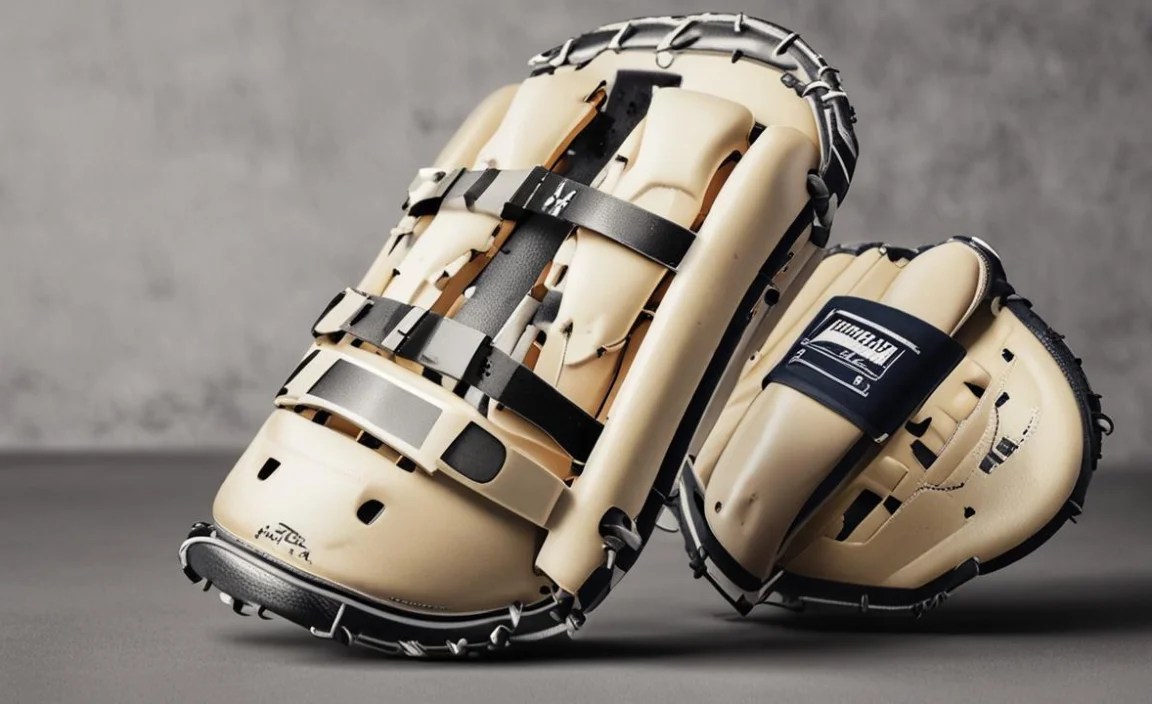
Like any piece of sports equipment, proper care will extend the life of your Wilson shin guards and keep them performing at their best.
Cleaning and Care
- Wipe Down: After each use, wipe down the exterior of your shin guards with a damp cloth to remove dirt and sweat.
- Inside Out: For the padding, you can use a mild soap and water mixture on a cloth, then wipe with a clean damp cloth. Allow them to air dry completely. Never put shin guards in a washing machine or dryer, as this can damage the materials.
- Strap Care: Ensure the Velcro straps are clear of debris so they can maintain their grip.
Storage
Store your shin guards in a cool, dry place away from direct sunlight. Leaving them bunched up or compressed can distort their shape. If possible, use a gear bag designed for catcher’s equipment, which often has compartments to keep gear organized and protected.
When to Consider Professional Customization
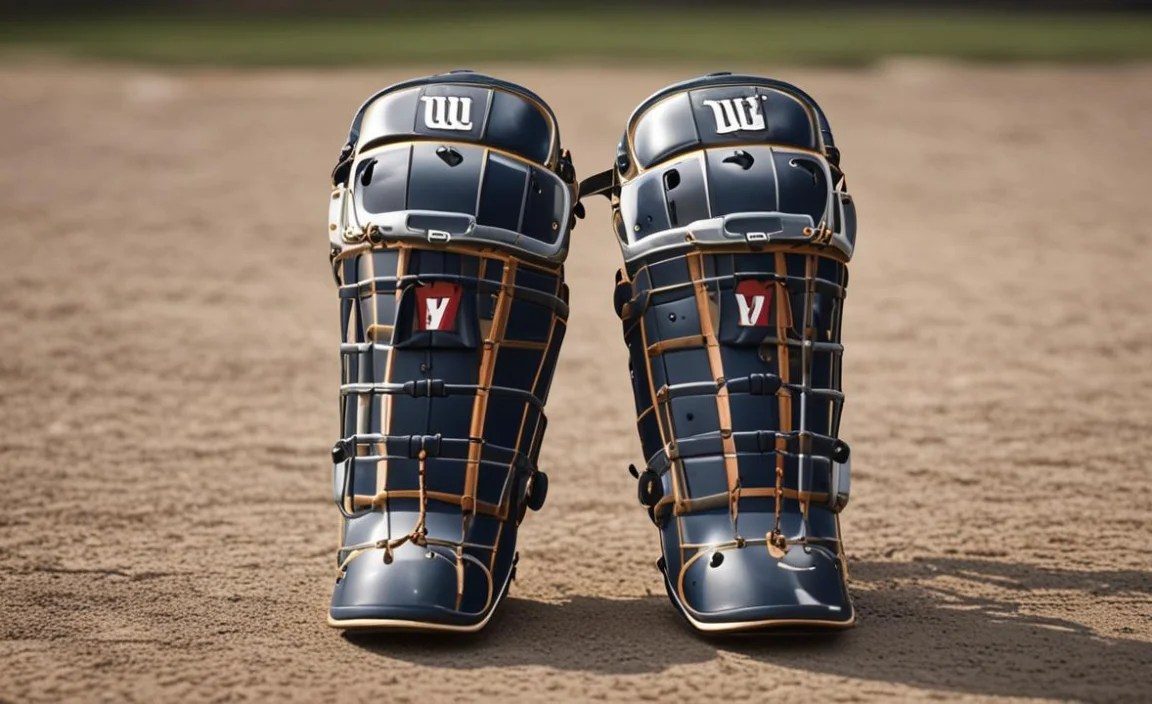
For players serious about performance and comfort, or those with unique anatomical needs, professional customization might be the next level up.
What is Professional Customization?
This typically means working with a specialized sports equipment outfitter or a manufacturer who offers truly custom-molded gear. For shin guards, this could involve:
- 3D Scanning: Your legs might be 3D scanned to create a perfect digital model.
- Custom Molding: Based on the scan, a unique mold is created, and your shin guards are formed to your exact specifications.
- Personalized Padding Layers: Specific densities and placements of padding can be engineered into the design.
- Ergonomic Design: Guards can be shaped to enhance natural movement and protection based on your specific stance and style.
While Wilson offers excellent quality, the truly bespoke route is usually reserved for professional athletes or those with specific medical needs. However, high-end baseball equipment retailers might offer services that help you fine-tune off-the-shelf gear to near-custom levels.
FAQ: Your Catcher’s Shin Guard Questions Answered
Frequently Asked Questions
Q1: How tight should my shin guards be?
A1: Your shin guards should be snug enough to stay in place during all movements without shifting, but not so tight that they restrict blood flow or cause numbness. You should be able to insert a finger between the top strap and your leg without much resistance.
Q2: Can I wear my shin guards over my pants?
A2: Yes, catcher’s shin guards are designed to be worn over baseball pants. They help protect the pants as well as your legs. Ensure they fit correctly with your pants on for an accurate assessment.
Q3: My shin guards rub my calves. What can I do?
A3: If they are rubbing, it might be a fit issue. Try adjusting the straps to see if you can reposition them. You can also add a thin piece of soft, moisture-wicking fabric or a custom-cut foam pad to the inside of the shin guard in the area where it rubs.
Q4: How important is the foot protection on shin guards?
A4: The integrated foot protection is crucial for safeguarding your instep, ankle bones, and toes from foul balls that might deflect downwards. Ensure this part of the guard fits snugly and covers your foot area well.
Q5: Can I use shin guards for positions other than catcher?
A5: While some players might use them for specific drills, catcher’s shin guards are designed for the unique demands of the catcher position. Fielders typically use different, lighter shin guards if any are needed at all.
