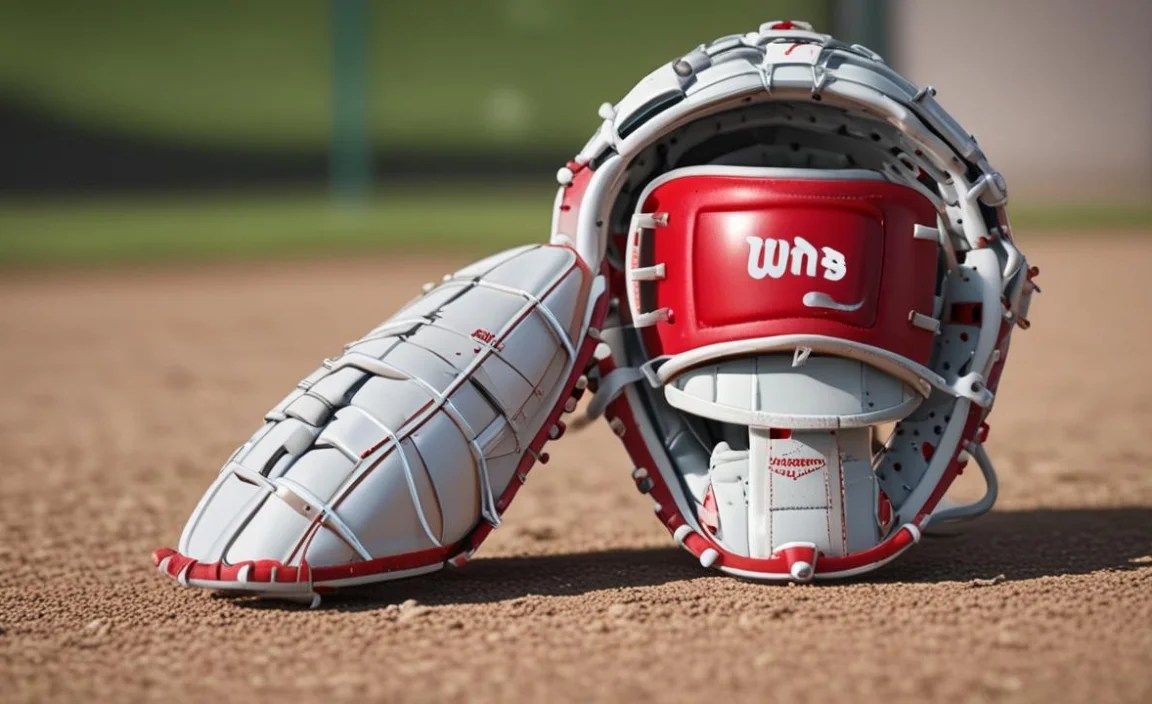
Wilson catchers shin guards are a crucial piece of equipment for any catcher, providing essential protection for the lower legs and knees. Choosing the right pair ensures comfort and injury prevention, allowing you to focus on your game and calling pitches with confidence.
Hey everyone, John P. Miller here from FriskMode! If you’ve ever stepped behind the plate, you know that a catcher’s job is one of the toughest on the field. It’s not just about blocking pitches; it’s about staying safe while you do it. One piece of gear that often gets overlooked until it’s too late is shin guards. We’ve all seen or heard about those foul tips that sting, or the times a wild pitch slides right into the knees. That’s where good shin guards come in – they’re your first line of defense.
But with so many options out there, especially when you’re looking for something like “Wilson catchers shin guards for high school,” it can feel a bit overwhelming. Don’t worry, though! We’re going to break down exactly what makes a great pair of shin guards, why Wilson is a solid choice, and what you need to consider to protect those precious legs. Stick around, and we’ll get you ready to crouch with confidence!
Why Catchers Need Shin Guards

As a catcher, your body is constantly exposed to the rigors of the game. You’re low to the ground, blocking pitches, and often taking direct hits from foul balls and errant throws. Shin guards are not just a suggestion; they are absolutely vital equipment for protecting against impacts, abrasions, and potential injuries to your shins, knees, and ankles. Think of them as your personal force field behind home plate.
Protection Against Impacts
The most obvious benefit of catcher’s shin guards is impact protection. Foul tips, pitches that take a bad hop, and even collisions at home plate can deliver significant force. Well-designed shin guards absorb and distribute this impact, significantly reducing the risk of bruises, fractures, and more serious injuries.
Preventing Abrasions and Cuts
The ground, the dirt, and even the spikes on a runner’s cleats can cause nasty scrapes and cuts. Shin guards create a barrier, protecting your skin and preventing these painful injuries that can take you out of the game and require attention.
Knee Support and Stability
Many advanced shin guards offer integrated knee protection that goes beyond just a simple pad. They can provide a degree of stability and support to the knee joint, which is constantly flexing and extending during crouching and blocking. This can help prevent hyperextension or other knee-related injuries, which are common for catchers.
Comfort and Focus
When you know you’re protected, you can play with more freedom and less worry. Comfortable shin guards that fit well allow you to focus on your primary job: receiving pitches, calling the game, and making plays, rather than being distracted by discomfort or the fear of getting hurt.
Understanding Wilson Catchers Shin Guards

Wilson is a name that echoes through baseball fields everywhere. For decades, they’ve been a trusted provider of high-quality baseball equipment, and their catcher’s gear is no exception. When it comes to “Wilson catchers shin guards for high school” players, you’re looking at gear designed to meet the demands of competitive play while offering reliable protection. Wilson’s approach often blends innovative design with durable materials to create shin guards that perform well and last.
A Legacy of Quality
Wilson has built its reputation on understanding what athletes need. They’ve equipped countless professional and amateur players, gathering feedback and refining their designs. This deep-rooted experience means their shin guards are often a step ahead in terms of protection, mobility, and durability.
Materials and Construction
Wilson typically uses a combination of high-impact plastics, dense foam padding, and durable nylon or synthetic fabrics in their shin guards. The goal is to create a shell that can deflect hard impacts while a comfortable, shock-absorbing liner keeps the player protected and secure. For high school players, this often means finding a balance between robust protection and the flexibility needed for quick movements.
Key Features to Look For
When evaluating Wilson shin guards, keep an eye out for features that enhance performance and protection:
- Adjustable Straps: Essential for a secure, personalized fit. Look for straps that are easy to adjust, even with gloves on.
- Ventilation: Catching can get hot! Some shin guards include vents or breathable materials to help keep your legs cooler and reduce sweat buildup.
- Toe Protection: Some models offer extended coverage or reinforced toe caps, adding another layer of defense against foul balls that hit low.
- Knee Cap Design: A well-designed knee cap is crucial. It should be shaped to protect fully without restricting movement, and often features extra padding or articulating joints.
- Length and Fit: Shin guards come in different lengths. It’s important to choose a size that adequately covers your shin and extends comfortably to just below the knee, without being too long or too short.
Choosing the Right Fit: Size Matters for “Wilson Catchers Shin Guards for High School”

Selecting the correct size for your Wilson shin guards is paramount, especially for high school players who are still developing and need gear that allows for optimal movement and protection. An ill-fitting pair can be uncomfortable, hinder performance, or even reduce protection. Here, we’ll walk you through how to find that perfect fit.
Measuring for Shin Guards
The most common way to determine the right size is by measuring your leg. You’ll typically need two measurements:
- Knee to Ankle: Measure from the center of your kneecap straight down to the top of your shoe or where you want the guard to end on your shin.
- Thigh to Toe (Total Length): Some manufacturers also provide total length measurements, which accounts for the upper thigh and toe protection components. This is less common for just shin guards but can be relevant for full leg guards.
Always refer to the specific sizing chart provided by Wilson or the retailer, as measurements can vary slightly between models and brands. A common measurement for high school catchers might fall in the 16-18 inch range for knee-to-ankle length, but this is a guideline, not a rule.
Understanding Sizing Charts
Sizing charts are your best friend. They will correlate your leg measurements to a specific size (e.g., Youth, Intermediate, Adult Small, Medium, Large). For “Wilson catchers shin guards for high school,” you’ll likely be looking at Intermediate or Adult sizes depending on the player’s physical development.
Here’s a simplified example of what a sizing chart might look like:
| Size | Recommended Knee-to-Ankle Length (inches) | Typical Player Age/Height |
|---|---|---|
| Intermediate | 16-18 | 13-16 years old / 5’4″ – 5’11” |
| Adult Small | 17-19 | 15+ years old / 5’7″ – 6’0″ |
| Adult Medium | 18-20 | 16+ years old / 5’10” – 6’2″ |
Note: Player height and age are approximate and can vary. Always trust your measurements.
The Importance of a Secure Fit
Once you have your measurements, try on the shin guards if possible. They should feel snug but not constricting. The knee cap should align properly with your kneecap. The straps should hold the guards firmly in place without digging into your skin. If the guards shift or slide down when you move, they are likely too big or not secured properly.
A good fit means:
- The knee cap covers your entire kneecap and extends to the top of your shin.
- The bottom of the guard ends comfortably above your foot.
- The guards stay in place when you squat, move side-to-side, or perform other baseball movements.
- There are no uncomfortable pressure points or chafing.
Top Wilson Catcher’s Shin Guard Models and Features

Wilson offers a range of shin guards designed to meet different needs and budgets. For high school players, models like the Wilson Dyna-Soft Pro or the popular EZ Gear series often hit the sweet spot between advanced protection, mobility, and value. Let’s dive into some common features and what makes specific models stand out.
Wilson EZ Gear Series
The EZ Gear line is renowned for its user-friendliness and solid protection, often making it a go-to for younger players and those looking for straightforward, effective gear. These are typically:
- Lightweight: Designed for ease of movement.
- Easy to Adjust: Straps are usually simple to fasten and loosen, ideal for quick changes between innings.
- Good Value: Often more budget-friendly while still offering reliable protection.
- Durable Construction: Built to withstand the rigors of a season.
These models are great for players who prioritize comfort and speed without sacrificing fundamental protection.
Wilson Dyna-Soft Pro Series
Stepping up in protection and technology, the Dyna-Soft Pro series often features:
- Advanced Padding: Incorporates higher density foams designed to absorb greater impact forces.
- Enhanced Knee Protection: May include articulated knee caps or reinforced areas for superior impact management.
- Superior Fit Systems: Often have more refined strap designs and internal padding for a more secure and comfortable fit during intense gameplay.
- Durable Outer Shells: Constructed with robust plastics and materials to resist cracking and wear.
These are ideal for more serious players, including those in high school who are facing faster pitching and more aggressive play.
Comparing Features: A Deeper Look
When picking between models, consider these specific attributes:
| Feature | Wilson EZ Gear Example | Wilson Dyna-Soft Pro Example | Benefit for High School Players |
|---|---|---|---|
| Impact Absorption | Good, reliable padding. | High-density foam, multi-layer protection. | Better protection against harder-hit foul balls and faster pitches. |
| Mobility | Designed for good flexibility. | Often features articulating components for improved range of motion. | Allows for quicker movements in blocking and throwing. |
| Durability | Built for a season or more of play. | Robust materials, often reinforced in high-wear areas. | Longer lifespan, especially important for players who play frequently. |
| Weight | Typically lighter. | Can be slightly heavier due to additional padding and structure. | Lighter guards can feel less fatiguing over a long game. |
| Price Point | More budget-friendly. | Higher investment. | Offers options for various budgets. |
| Ventilation | Basic to moderate. | Often includes more advanced ventilation systems. | Helps manage heat buildup during intense activity. |
Maintenance and Care for Your Wilson Shin Guards

To ensure your Wilson catchers shin guards provide consistent protection and last as long as possible, proper care is essential. Like any piece of athletic equipment, regular maintenance will keep them in top condition. Here’s how to treat your gear right.
Cleaning Your Shin Guards
After games and practices, it’s good practice to give your shin guards a quick clean. Sweat and dirt can break down materials over time, and bacteria can build up. Follow these steps:
- Wipe Down: Use a damp cloth with mild soap and water to wipe down the exterior plastic shells. This removes dirt, grime, and any surface marks.
- Clean Padding: The inner padding can often be removed. If so, hand-wash it gently with mild soap and cool water. Ensure it’s thoroughly rinsed to remove all soap residue.
- Air Dry: Crucially, always air dry your shin guards completely before storing them. Never put them in a dryer or expose them to direct, intense heat, as this can warp the plastic and damage the padding. Lay them out in a well-ventilated area, or prop them up so air can circulate around all surfaces.
Inspection for Wear and Tear
Regularly inspect your shin guards for signs of damage that might compromise their protective qualities. Look for:
- Cracks or Deep Scratches in the plastic shell.
- Torn or Fraying Straps.
- Loose or Damaged Padding that no longer fits snug or has lost its cushioning.
- Loose Stitching, especially around the knee cap or where straps attach.
If you find significant damage, especially to the protective shells or critical padding areas, it might be time to consider replacing them. A compromise in protection isn’t worth the risk.
Proper Storage
When you’re not using your shin guards, store them properly to prevent damage:
- Avoid Cramping: Don’t leave them crushed at the bottom of a gear bag.
- Keep Them Dry: Ensure they are completely dry before storing to prevent mold and mildew.
- Ventilated Bag: If you use a gear bag, ensure it has good ventilation. Alternatively, store them separately in a cool, dry place.
Proper care ensures your Wilson shin guards offer reliable protection season after season. For more in-depth information on baseball equipment care, you can check out general guidelines from organizations like Safe Kids Worldwide, which emphasizes the importance of properly maintained sports equipment for injury prevention.
Drills and Practice Tips Using Shin Guards
Your shin guards are more than just protective gear; they can actually be integrated into your training to help you develop better habits and improve your game behind the plate. Using them during drills reinforces proper technique and builds confidence.
Proper Squatting and Stance
Your shin guards can act as a visual and tactile cue for maintaining a strong, athletic stance. When you squat, the guards should stay in place, and your knees should track over your toes. If they’re shifting or digging in, it might mean your stance needs adjustment.
- Drill: The Mirror Squat
- Stand in front of a mirror with your shin guards on.
- Practice your catcher’s squat, focusing on keeping your back straight, chest up, and your knees aligned outwards.
- Your shin guards should remain stable and cover your shins without bunching up. If they move significantly, adjust your depth or width.
Blocking Drills
This is where your shin guards shine! Practicing receiving pitches in the dirt or sliders that bounce requires confidence in your protection.
- Drill: Foul Tip Blocks
- Using a pitching machine or a coach, have them throw pitches at moderate speed towards the dirt in front of you.
- Focus on framing the ball and blocking it with your body, bringing your chest over the ball.
- Your shin guards will absorb any low bounces or direct hits to the shin, allowing you to practice staying down and absorbing the impact without fear.
- Drill: “Pop-Up” Blocks
- Have your coach or machine throw pitches that bounce and “pop up” towards the catcher.
- Practice your quick reaction to get your body behind the ball and absorb its energy. The shin guards protect your legs as you move quickly to smother the ball.
Throwing and Receiving Mechanics
While shin guards are primarily for protection, they can subtly influence your mechanics. Ensure that the guards allow you to pivot on your back foot, explode forward, and maintain balance when throwing.
- Drill: Quick Feet and Throw
- Practice your footwork by taking a few quick steps to the side or forward.
- Immediately transition into a throwing motion.
- Your shin guards should feel secure enough that they don’t impede your footwork or disrupt your balance during these explosive movements.
By consistently wearing your shin guards during practice and drills, you train your body to feel secure and athletic behind the plate, contributing to better overall performance and confidence.
