Wilson shin guards are designed for players, offering comfort and protection during gameplay. Umpire gear includes shin guards as part of a comprehensive protective set, prioritizing durability and impact absorption for officials working behind the plate. Choose based on your role: player needs Wilson; umpire needs dedicated umpire gear.
When you’re on the diamond, whether you’re a player aiming for the big leagues or an umpire calling balls and strikes, having the right gear is super important. A common question that pops up, especially for those looking to upgrade or understand protective equipment, is how Wilson shin guards stack up against general umpire gear.
It might seem like a small detail, but the right shin guards can make a huge difference in comfort, performance, and preventing injuries. We’ve all heard stories or maybe even experienced the sting of a foul ball or a hard slide. This guide is here to clear up the confusion and help you understand the differences, so you can make the best choice for your needs. Let’s dive in and figure out what’s essential for your game!
Wilson Shin Guards VS Umpire Gear: An Essential Guide

Stepping onto the baseball field means embracing the thrill of the game, but it also comes with the responsibility of protecting yourself. For players, especially catchers, and for umpires behind the plate, shin guards are a non-negotiable piece of equipment. But not all shin guards are created equal. Many players are familiar with brands like Wilson, known for their player-focused equipment, while umpire gear is a more specialized category.
Understanding the nuances between Wilson shin guards, often designed with batter or catcher comfort and mobility in mind, and the robust protection offered by dedicated umpire gear is crucial for making an informed decision. This guide will break down the differences, helping you choose the protection that best suits your role and needs on the field.
Understanding Player Shin Guards: The Wilson Approach
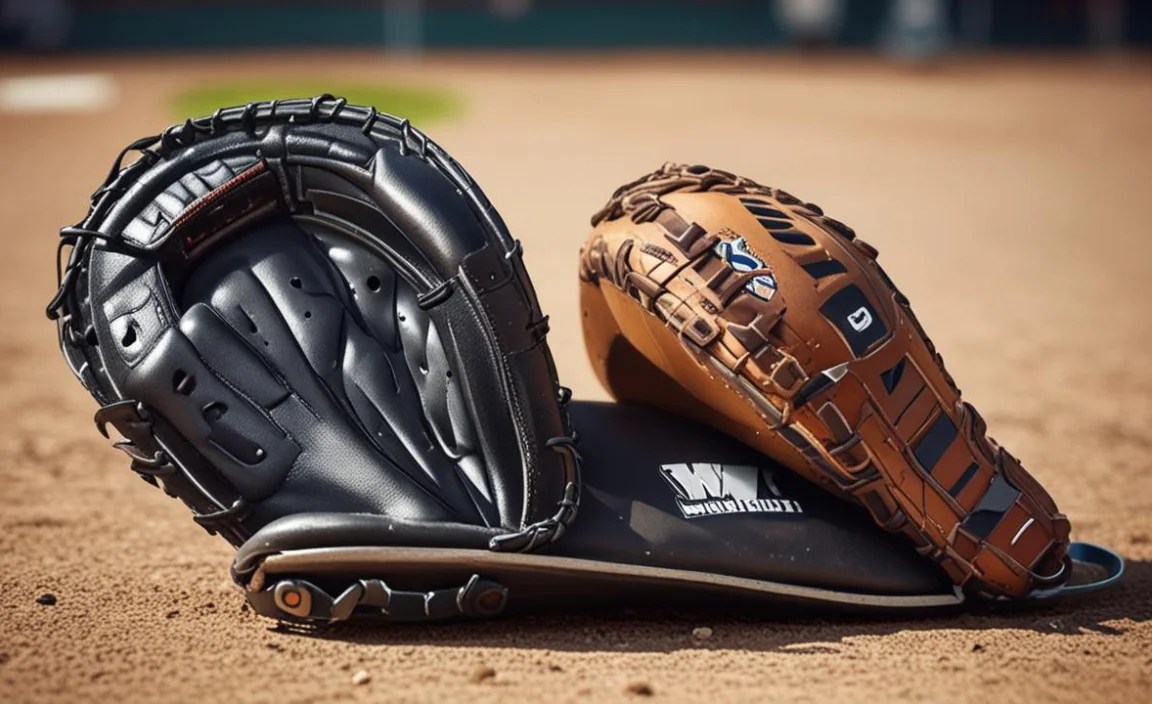
Wilson has been a staple in baseball equipment for generations. When it comes to shin guards for players, especially those in catcher’s gear sets, Wilson focuses on a balance of protection, comfort, and mobility. These guards are typically designed to fit snugly and move with the player, allowing for quick reactions and comfortable movement around the plate or in the field.
The primary goal of player shin guards, like those from Wilson, is to protect the shin and knee from foul tips, errant pitches, and collisions. They are built to absorb impact without hindering the player’s ability to squat, throw, or run. Key features often include:
- Lightweight Construction: To avoid weighing the player down.
- Ergonomic Design: Shaped to contour to the leg for a better fit and greater freedom of movement.
- Ventilation: Often include vents or breathable materials to keep players cool during intense play.
- Adjustable Straps: For a secure and customizable fit.
- Durable Outer Shell: Capable of withstanding the rigors of the game.
The Role of Shin Guards for Baseball Players

For catchers, shin guards are an extension of their armor. They protect against fast-moving pitches that get past the glove, wild pitches in the dirt, and the inevitable collisions at home plate. Skinned knees and injured shins can sideline a player quickly, and good shin guards are the first line of defense. Beyond catchers, some infielders might opt for shin guards to protect against fast ground balls or bad hops, though this is less common.
Wilson’s dedication to baseball means their player gear is developed with feedback from athletes. This translates into protective equipment that doesn’t just shield but also enhances performance by allowing players to feel confident and uninhibited in their movements. The materials and padding are chosen to offer impact absorption while maintaining a good feel for the game.
What is Umpire Gear?
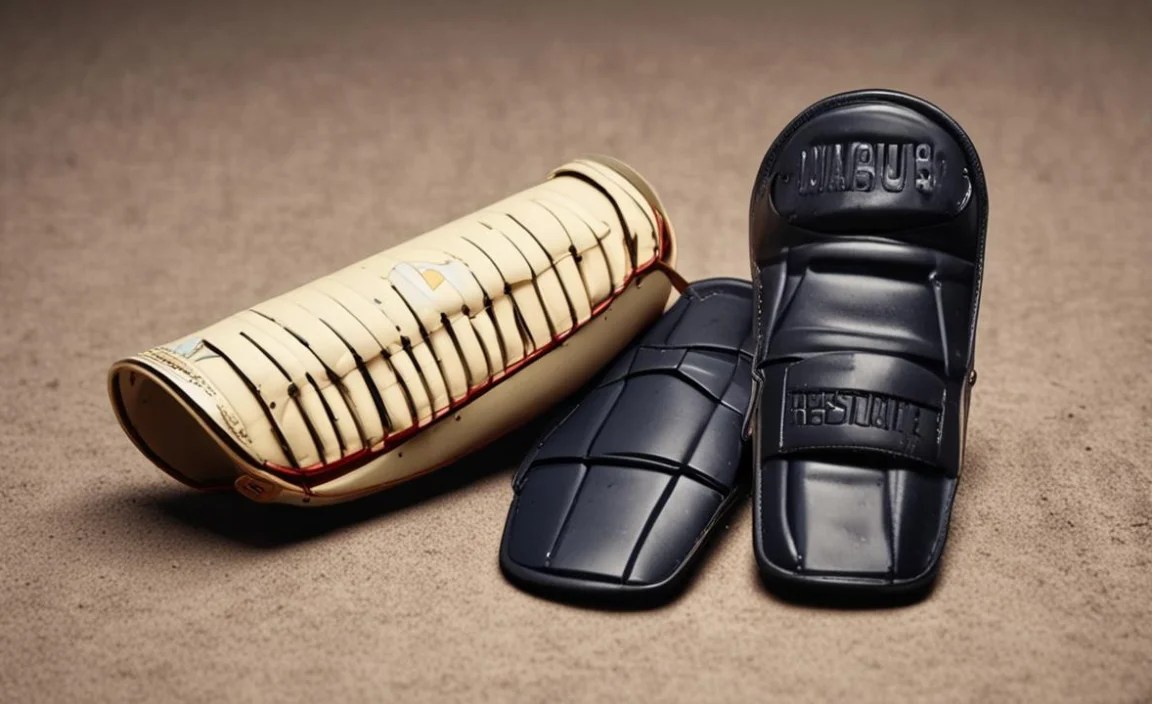
Umpire gear is a specialized category of protective equipment designed specifically for the demanding role of officiating baseball or softball games. Umpires, particularly home plate umpires, are in the line of fire for every pitch. They need a higher level of protection because they are intentionally positioned where many foul balls and errant pitches will go. Umpire gear is less about athletic movement and more about absorbing maximum impact from unpredictable trajectories.
A full set of umpire gear typically includes:
- Umpire Shin Guards: These are usually larger and more robust than player shin guards.
- Umpire Chest Protector: Covers the torso and vital organs.
- Umpire Mask: Protects the face and head.
- Throat Protector: An add-on or integrated piece to protect the throat.
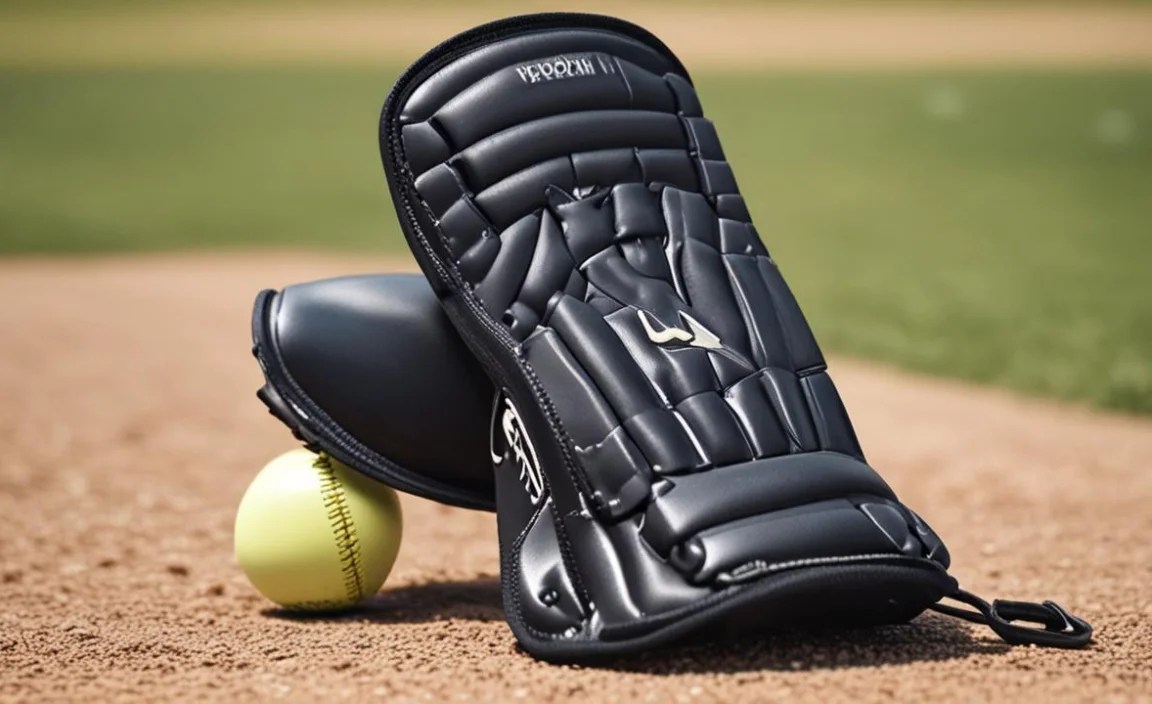
The shin guards within umpire gear are central to their protection. They are often made with denser padding, sometimes incorporating hard plastic or composite materials to distribute impact force over a wider area. The design prioritizes coverage and shock absorption above all else.
Key Characteristics of Umpire Shin Guards

Umpire shin guards share the common goal of protecting the lower legs, but their design philosophy differs significantly from player shin guards:
- Maximum Impact Absorption: Built to withstand direct impacts from baseballs traveling at high speeds.
- Extensive Coverage: They generally offer more coverage, extending further up the shin and over the instep and ankle.
- Sturdy Construction: Often heavier and less flexible than player shin guards, using denser foams and harder outer shells.
- Durable Straps and Buckles: Designed for consistent, secure fastening throughout a game.
- Less Emphasis on Agility: While comfort is still a factor, the primary focus is on protection, meaning they can be bulkier and may slightly limit range of motion compared to player-specific guards.
These guards are designed to keep the umpire safe, allowing them to do their job effectively without constant worry about being struck by the ball. For more information on umpire protective gear standards, organizations like the National Federation of State High School Associations (NFHS) or national umpire associations often provide guidelines.
Wilson Shin Guards vs. Umpire Gear: A Direct Comparison

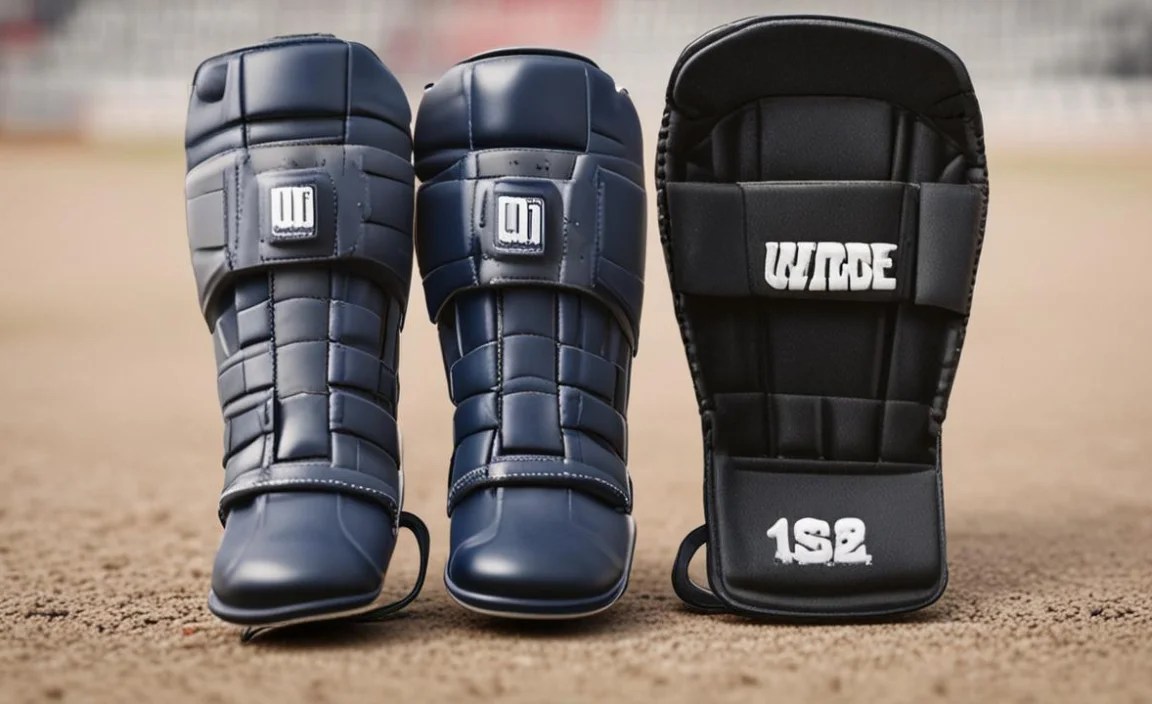
When placing Wilson shin guards side-by-side with dedicated umpire shin guards, the differences become quite clear. It’s not about one being “better” than the other, but about suitability for purpose.
Table: Feature Comparison – Wilson Shin Guards vs. Umpire Shin Guards

| Feature | Wilson Shin Guards (Player-Focused) | Umpire Shin Guards (Official-Focused) |
|---|---|---|
| Primary Purpose | Protection during play, comfort, mobility | Maximum impact absorption, durable protection for officiating |
| Padding Density | Moderate to high, balanced for comfort and impact | Very high, designed for extreme impact resistance |
| Coverage Area | Shin and knee, good coverage for players | Extensive, often including full instep and ankle coverage |
| Flexibility & Mobility | High, designed to allow for athletic movements | Moderate, protection is prioritized over extreme agility |
| Weight | Relatively lightweight | Generally heavier due to added protective materials |
| Construction Materials | Combination of durable plastic, EVA foam, EVA foam, breathable fabrics | Denser foams, thick plastic shells, sometimes composite materials |
| Target User | Catchers, sometimes fielders needing extra protection | Home plate umpires, base umpires |
As you can see, the choice hinges on who you are and what you’re doing on the field. A player needs to be able to move, react, and play the game comfortably. An umpire needs to withstand the direct force of pitches and foul balls that players are trying to avoid. Wilson’s approach is geared towards the active participant, while umpire gear is built for sustained exposure to high-impact events.
Choosing the Right Gear: Player vs. Umpire Considerations
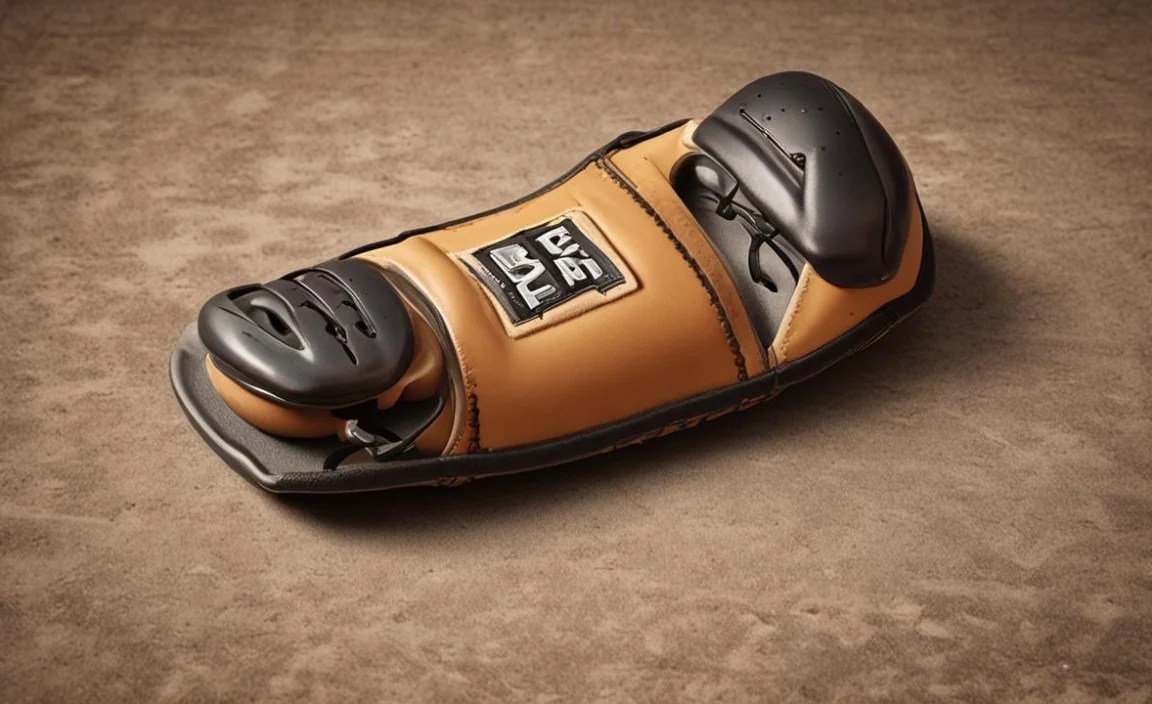
The decision between Wilson shin guards (or similar player brands) and dedicated umpire shin guards is straightforward once you understand your role. Trying to use umpire shin guards as a player might feel overly bulky and restrictive. Conversely, a player using umpire shin guards might have more protection than they need, at the cost of comfort and freedom of movement. For umpires, using player shin guards would offer insufficient protection for the risks they face.
Key Questions to Ask Yourself:
- What is my primary role on the field? Are you playing the game, or officiating it?
- How much direct impact am I likely to experience? Umpires are consistently in the path of the ball; players try to avoid being hit.
- What level of mobility is essential for my role? Players need to run, throw, and slide. Umpires need mobility to maintain position but not at the expense of protection.
- What is my budget? Both types of gear vary in price, but dedicated umpire gear often represents a higher investment due to specialized materials and construction.
For a catcher looking for the best protection and performance, a high-quality set of player shin guards from a reputable brand like Wilson is the way to go. These are designed to integrate seamlessly with other catcher’s gear, like the chest protector and mask, providing comprehensive protection without being cumbersome.
For aspiring or established umpires, investing in proper umpire shin guards is vital. Brands that specialize in umpire gear, such as Smitty, Honig’s, or specially designated umpire lines from larger sporting goods companies, offer the necessary protection. These guards are built to meet umpire association standards and provide the confidence needed to make close calls.
Beyond Shin Guards: The Full Picture of Protection

Protection on the baseball field isn’t just about shin guards. Whether you’re a player or an umpire, consider the complete ensemble of protective gear. For catchers, this includes:
- Catcher’s Mask or Helmet: Protects the face and head.
- Catcher’s Chest Protector: Shields the torso, throat, and collarbone.
- Catcher’s Mitt: A specialized glove designed to catch high-speed pitches.
- Athletic Cup: Essential for all male players.
For umpires, the full kit is equally critical:
- Umpire Mask: Designed for maximum front and side impact protection. Some also have throat guards integrated.
- Umpire Chest Protector: Offers extensive coverage for the torso and vitals.
- Throat Protector: Often a separate attachment or integrated piece to protect the throat, a vulnerable area.
- Professional Umpire Attire: Including shirts, pants, and appropriate footwear for traction and comfort.
Choosing gear from reputable brands ensures that you are getting equipment that meets safety standards. For instance, many catcher’s masks meet ASME standards for protective equipment, indicating rigorous testing.
Maintaining Your Gear for Optimal Performance and Safety
Once you’ve invested in the right gear, proper maintenance is key to ensuring its longevity and effectiveness. Baseball and umpire gear can take a beating, and a little care goes a long way.
Tips for Maintaining Shin Guards (Both Player and Umpire):
- Cleaning: After each use, wipe down your shin guards with a damp cloth and mild soap to remove dirt, sweat, and grime. For particularly stubborn dirt, a soft brush can be helpful.
- Drying: Always allow your shin guards to air dry completely. Never store them while damp, as this can lead to mildew, unpleasant odors, and degradation of materials.
- Inspection: Regularly check for signs of wear and tear. Look for cracks in the plastic, tears in the fabric, loose straps, or worn-out padding.
- Strap Care: Ensure the straps are clean and free of debris that could impede their function. If the Velcro is losing its stickiness, you can sometimes revive it with a brush.
- Storage: Store your shin guards in a cool, dry place, away from direct sunlight, which can degrade plastic and foam components over time.
Properly maintained gear not only lasts longer but also provides consistent protection. It’s a small investment of time that pays off in continued safety and performance on the field.
Frequently Asked Questions (FAQ)
Q1: Can I use player shin guards for umpiring?

A: Generally, no. Player shin guards are designed for mobility and protection during active play, but they typically do not offer the same level of dense, impact-absorbing protection required for umpires who are constantly in the path of pitches and foul balls. Dedicated umpire shin guards are built with much tougher materials and offer more comprehensive coverage to withstand direct impacts.
Q2: Are Wilson shin guards suitable for youth catchers?

A: Yes,absolutely! Wilson offers excellent shin guards designed for various youth levels, balancing protection with comfort and adjustability as young players grow. They are a great choice for developing catchers needing reliable leg protection.
Q3: How much do umpire shin guards typically cost?
A: The cost can vary widely based on brand, materials, and features. Basic umpire shin guards might start around $50-$75, while higher-end models with advanced padding and extended coverage can range from $100 to $200 or even more.
Q4: What is the difference in padding between player and umpire shin guards?

A: Umpire shin guards use much denser and thicker padding, often combined with hard plastic or composite outer shells, to distribute and absorb the force of high-speed impacts. Player shin guards use padding that is a balance of protection and comfort, allowing for greater flexibility.
Q5: Do umpire shin guards cover my entire shin and foot?

A: Most home plate umpire shin guards offer extensive coverage, including the shin, knee, instep, and ankle. The exact coverage can vary by model and brand, with some offering full foot coverage and others focusing more on the shin and ankle area, often with a separate toe protector.
Q6: How do I ensure my shin guards fit properly?

A: For player shin guards, they should fit snugly against your leg without pinching or sliding down. Straps should be secure and adjustable. For umpire shin guards, ensure they offer full coverage of the intended areas and that all straps are fastened securely to prevent shifting during the game. Try them on with your baseball pants to check the fit.
Conclusion: Protecting What Matters Most
Navigating the world of baseball and softball gear can sometimes feel overwhelming, but understanding the distinct purposes of different equipment makes the choices clear. Wilson shin guards, with their focus on player comfort, mobility, and robust protection, are an excellent choice for anyone playing the game, especially catchers. They are built to enhance performance while keeping you safe from the typical impacts encountered during play. On the other hand, dedicated umpire shin guards are the unsung heroes for the officials behind the plate. These are engineered for maximum impact absorption and unwavering durability, providing the crucial layer of safety umpires require to do their job effectively and confidently.
Whether you step up to the plate as a player or take your position as an umpire, the right protective gear is not just an accessory; it’s essential. It allows you to focus on making plays, calling the game fairly, and most importantly, staying safe and healthy. By understanding the differences between player-focused gear like Wilson shin guards and specialized umpire equipment, you can make an informed decision that best supports your role on the diamond. Play hard, call it fair, and always gear up with what matters most – your safety and performance.
