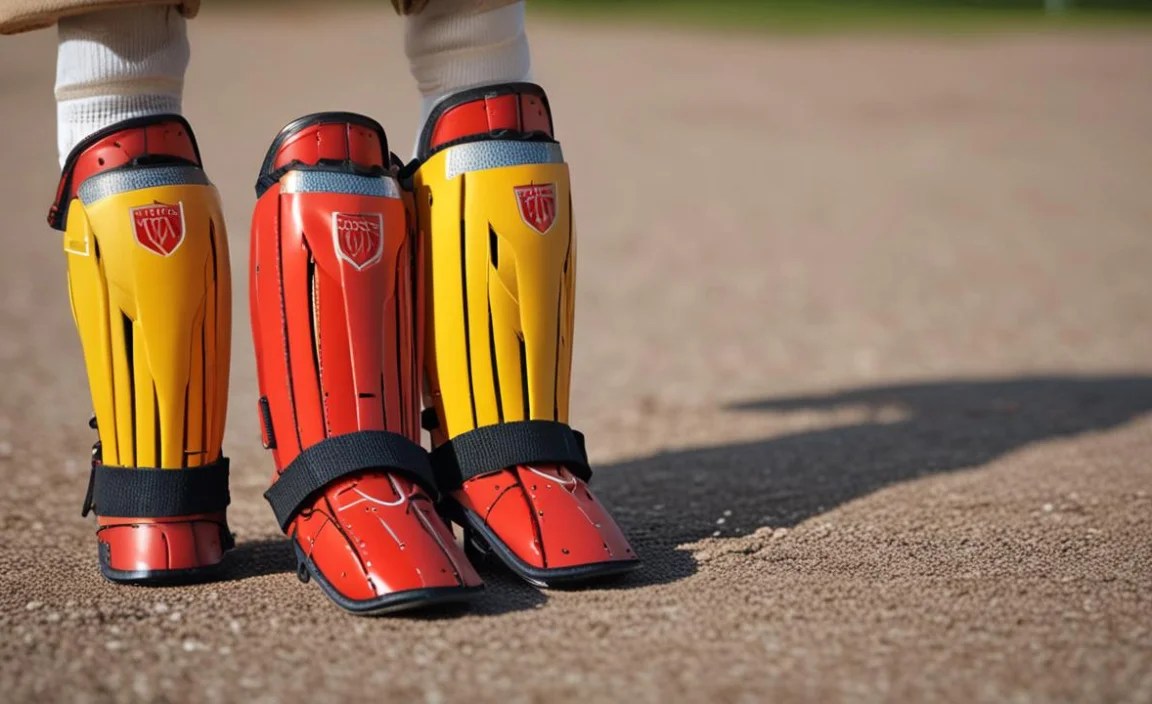
Wilson Youth Shin Guards offer robust, reliable protection for young baseball players, ensuring comfort and confidence behind the plate so they can focus on developing their skills.
Why Shin Guards Matter for Young Catchers

Stepping up to the plate as a catcher is exciting! It’s a crucial role, requiring quick reflexes and courage. But let’s be honest, it can also be a little intimidating, especially when you think about what’s coming your way. The ball, the bat, even a runner sliding – they all come close. That’s where the right gear comes in, and it all starts with protecting your lower legs. Good shin guards are your first line of defense. Without them, a foul ball or a stray pitch can mean a painful experience and perhaps even a trip to the sidelines. We want you to stay in the game, feeling safe and secure, so you can concentrate on improving your game.
This guide will dive into what makes Wilson youth shin guards a fantastic choice for young players. We’ll look at why protection is key, what features to seek out, and how these guards help you play your best.
The Essential Role of Shin Guards in Baseball

As a young catcher, your primary job is to be the team’s anchor behind home plate. You’re catching pitches, framing strikes, blocking wild balls, and making crucial plays at home. Each of these responsibilities puts your legs, particularly your shins, at risk of impact.
Foul Balls: A stray foul tip can travel at high speeds directly towards your shin.
Wild Pitches & Passed Balls: A ball that gets away from the pitcher or catcher can ricochet off the ground or strike your legs.
Collisions at Home Plate: While less common for youth in some leagues, collisions can still happen, and shin guards offer a vital layer of protection.
Bat Contact: Accidental contact with a batter’s swing is also a possibility.
These aren’t just minor bumps; direct hits to the shin bone can be incredibly painful and can lead to serious injuries that keep players out of the game. Protective gear isn’t just about comfort; it’s about allowing young players to perform their duties with confidence, knowing they have a significant barrier against potential harm.
Why Choose Wilson for Youth Shin Guards?

Wilson has a long-standing reputation in the baseball world for creating durable, high-performance gear. When it comes to youth equipment, they focus on combining effective protection with comfort and a design that allows for movement. For shin guards, this means creating a product that young players will actually want to wear because it feels good and doesn’t hinder their ability to block and move.
Proven Protection: Wilson’s commitment to safety means their shin guards are designed to absorb and dissipate impact. They use materials and construction methods that have been tested and proven effective in protecting the vulnerable shins of young athletes. This isn’t just about looking the part; it’s about genuine safety that allows players to focus on the game.
Comfort and Fit: Young players need gear that fits well and is comfortable for extended periods. Wilson often incorporates features like adjustable straps and breathable padding to ensure a secure, snug fit that doesn’t chafe or overheat. A comfortable player is a more focused and effective player.
Durability: Youth sports can be tough on equipment. Wilson gear is built to last, meaning these shin guards can withstand the rigors of a full season – practices, games, and even extra training sessions. This makes them a smart investment for parents and coaches.
Key Features of Wilson Youth Shin Guards

When looking at Wilson youth shin guards, several features stand out that make them a top choice for young catchers. Understanding these will help you choose the right pair.
1. Impact Absorption and Protection Zones

The primary function of shin guards is to absorb the shock of an impact. Wilson achieves this through strategic padding and shell design.
Hard Shell Exterior: Typically made from durable plastic or composite materials, the outer shell is designed to deflect or spread the force of a ball or bat.
Padding: Beneath the hard shell, there’s cushioning material, often high-density foam. This foam is crucial for absorbing the remaining impact energy, preventing it from reaching the shin bone.
Coverage: Look for guards that offer full coverage from just below the knee down to the laces of the shoe. This ensures all vulnerable areas are protected. Wilson guards are designed to provide extensive coverage without being overly bulky.
2. Secure Fit and Adjustability
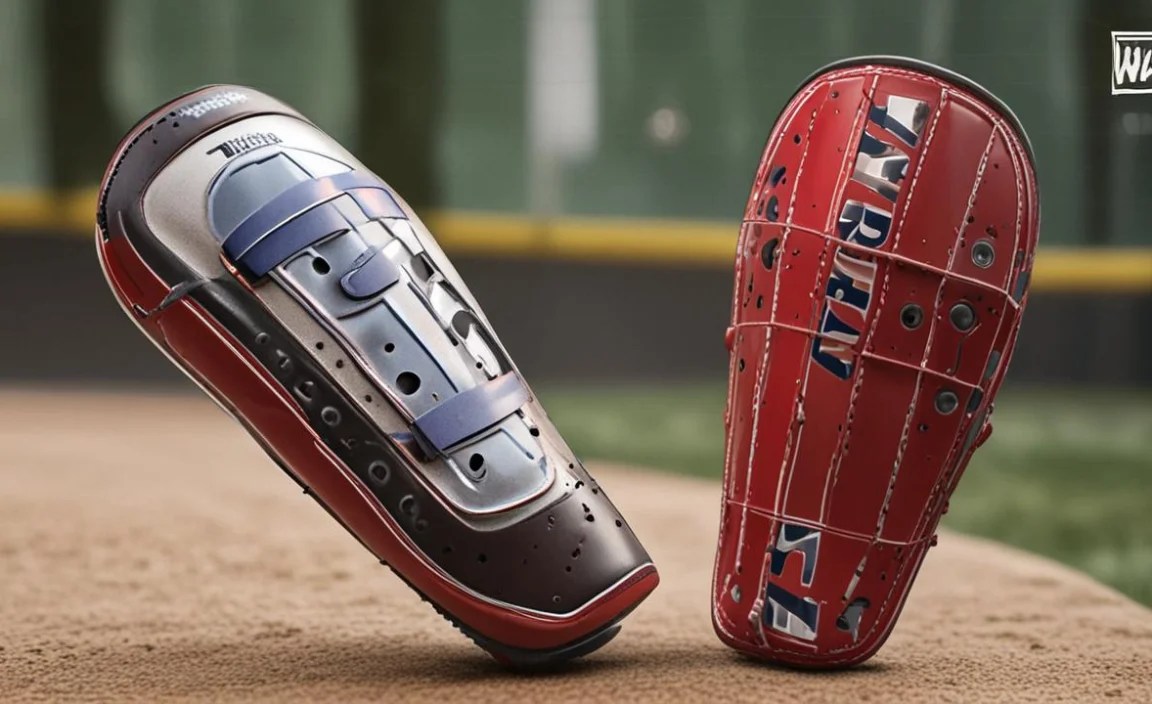
Shin guards that slip or are too loose are not only uncomfortable but also less effective at protecting you. Wilson uses several methods to ensure a secure fit:
Adjustable Straps: Most Wilson youth shin guards come with multiple, strong Velcro straps. These allow for a customized fit, ensuring the guards stay in place no matter how much you move. You can tighten or loosen them to fit your leg shape perfectly.
Ankle and Knee Straps: Specific placement of straps, often around the ankle and knee, prevents the guards from shifting downwards or spinning around your leg.
Ergonomic Design: The shape of the guards is designed to follow the natural contours of the shin and knee, making them feel like a natural extension of your leg rather than an awkward attachment.
3. Breathability and Comfort
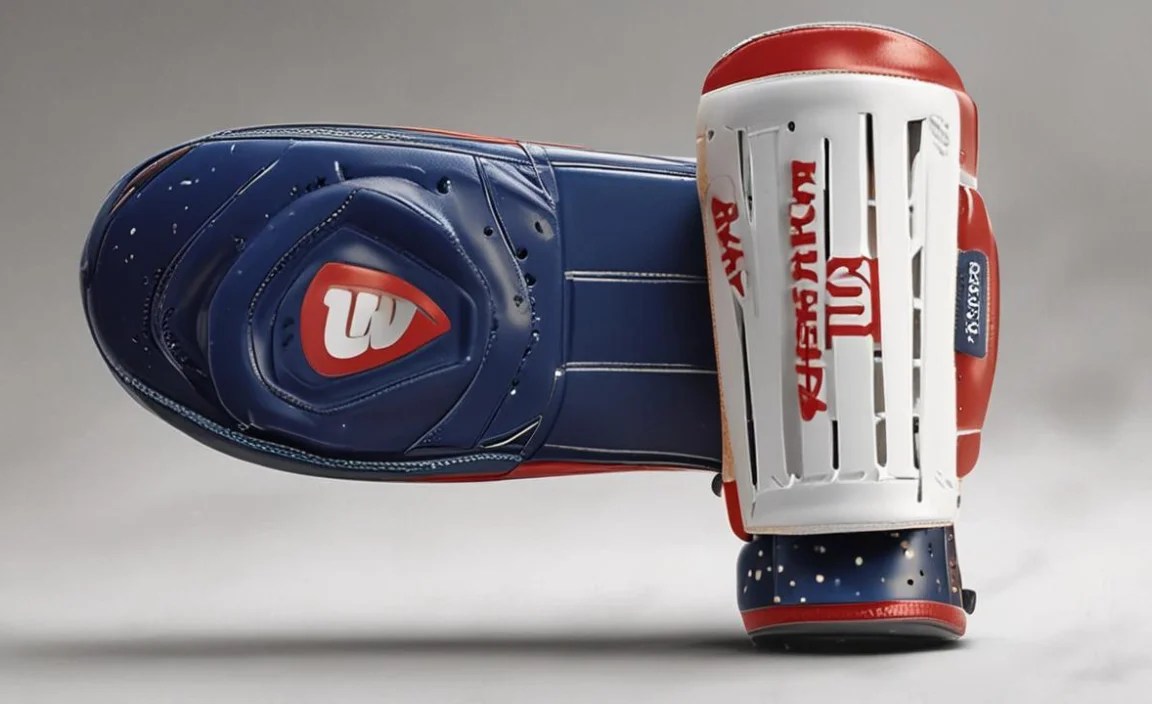
Extended wear during hot games and practices can be uncomfortable if the gear doesn’t allow for airflow.
Ventilation Ports: Some Wilson models feature strategically placed vents in the hard shell to allow air to circulate, helping to keep your legs cooler.
Moisture-Wicking Liners: The inner padding often includes materials that wick sweat away from the skin, preventing irritation and keeping you drier.
Lightweight Construction: While needing to be protective, Wilson aims to keep their youth shin guards relatively lightweight. This reduces fatigue and allows for more agile movement.
4. Durability and Longevity
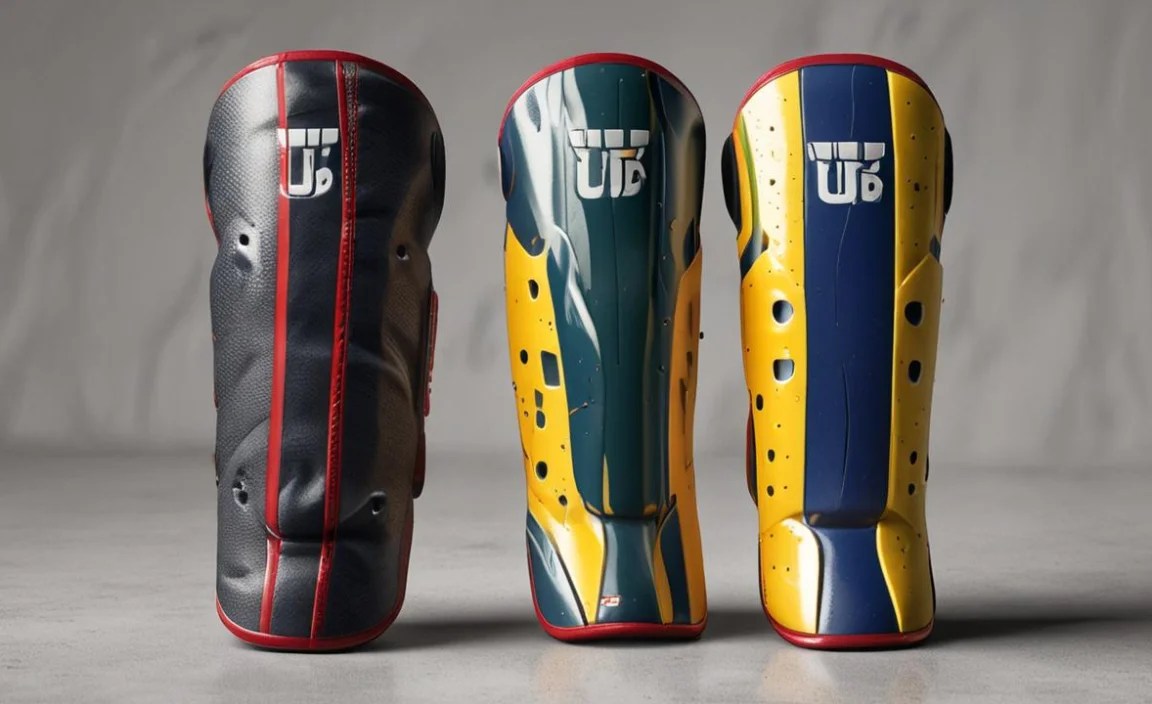
Investing in quality gear means it should last. Wilson is known for its robust construction.
High-Quality Materials: From the plastic shell to the straps and padding, Wilson uses materials that hold up well to repeated use and impact.
Reinforced Seams: Stitching and seams are often reinforced to prevent them from tearing or coming undone over time.
How to Choose the Right Wilson Youth Shin Guards

Selecting the perfect pair of Wilson youth shin guards involves considering a few key factors beyond just the brand. Your child’s age, size, league rules, and personal preference all play a role.
1. Size and Fit for Youth Players

This is paramount, especially for younger players. Ill-fitting gear can be a safety hazard.
Measure Your Player: Most brands, including Wilson, provide a sizing chart. Measure your player’s leg from the bend of the knee to the top of their shoe. Compare this measurement to the chart.
Try Them On (If Possible): The best way to ensure a good fit is to have your player try them on. They should feel snug but not constricting. They should stay in place when the player bends their knees and moves around.
Adjustable Straps are Key: Even with a good initial fit, adjustable straps are crucial for fine-tuning the tightness and ensuring the guards don’t slide down during play.
2. Level of Play and Protection Needs

While any shin guard offers some level of protection, different models might offer varying degrees of coverage and padding.
Beginner/Recreational: For younger players just starting out or those playing casually, a standard set of Wilson shin guards will likely offer sufficient protection.
Intermediate/Competitive: As players progress and face higher ball speeds, you might look for models with enhanced padding or more rigid shell construction, though Wilson’s youth offerings are generally very good across the board.
3. Comfort and Breathability Features
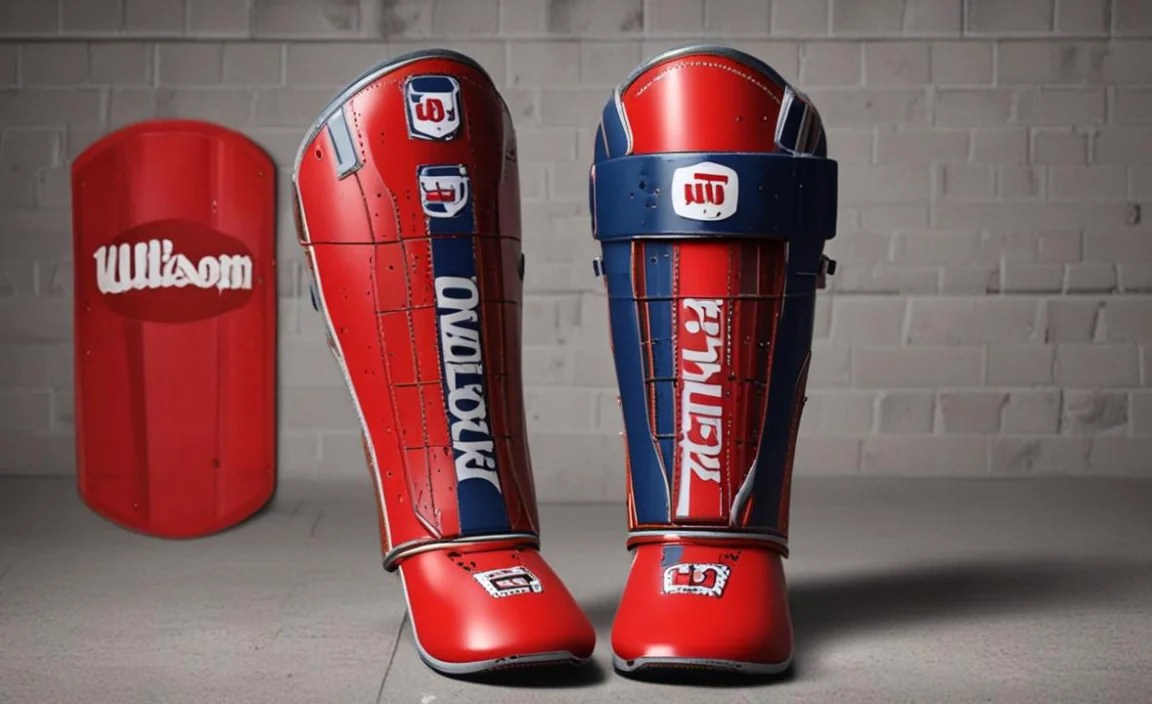
As mentioned earlier, comfort is crucial for young athletes.
Consider the Climate: If your player often plays in hot, humid conditions, look for models with good ventilation.
Padding Comfort: The thickness and type of inner padding can also affect comfort. Some players prefer softer, more yielding padding, while others like a firmer feel.
4. League Rules and Regulations
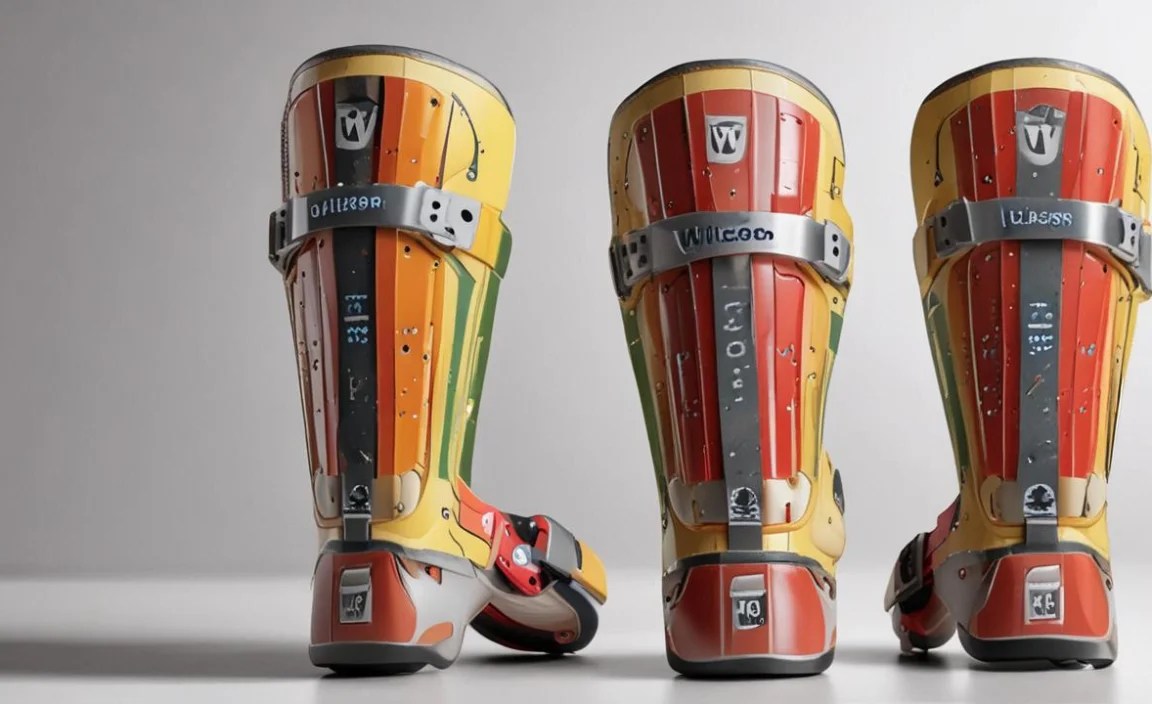
Some baseball leagues might have specific requirements or recommendations for catcher’s gear. Always check your league’s rulebook to ensure the shin guards you choose comply with any guidelines related to size, coverage, or material. You can find general guidelines from organizations like Little League Baseball (a division of Little League University).
5. Budget Considerations
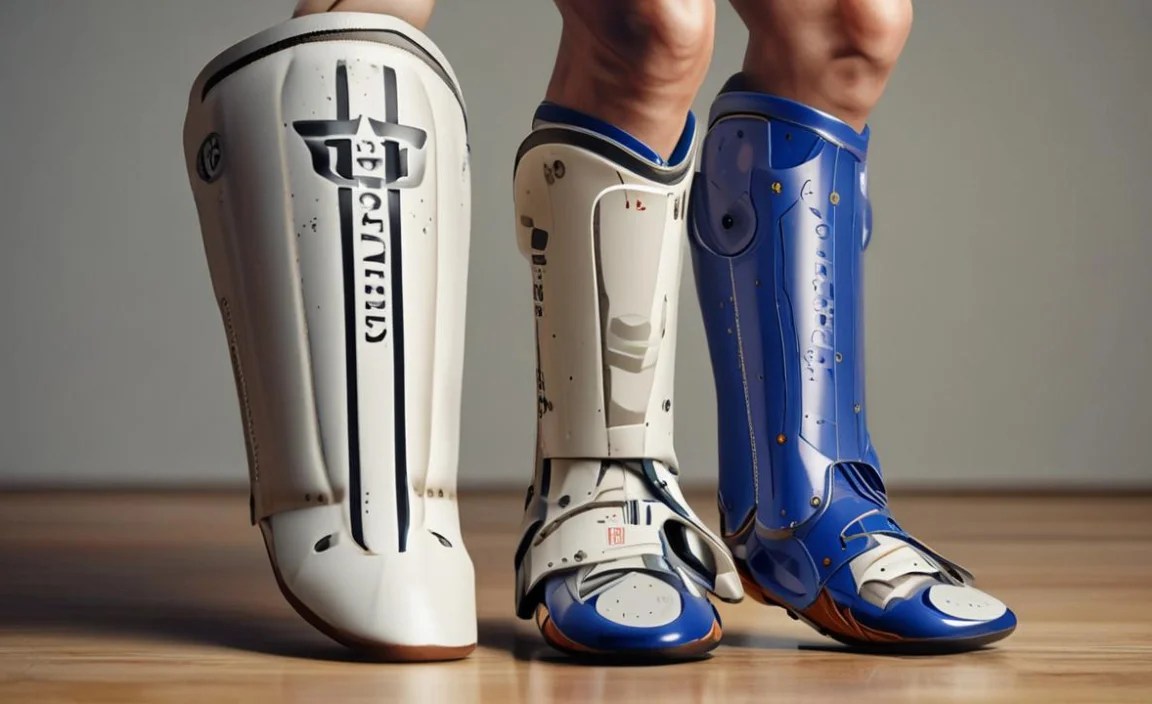
Wilson offers a range of shin guards, and prices can vary based on features and model. While it’s tempting to go for the cheapest option, remember that shin guards are a critical piece of safety equipment. Investing in a reputable brand like Wilson often means getting better durability, protection, and comfort for your money, making them a worthwhile purchase in the long run.
How Wilson Shin Guards Aid Skill Development
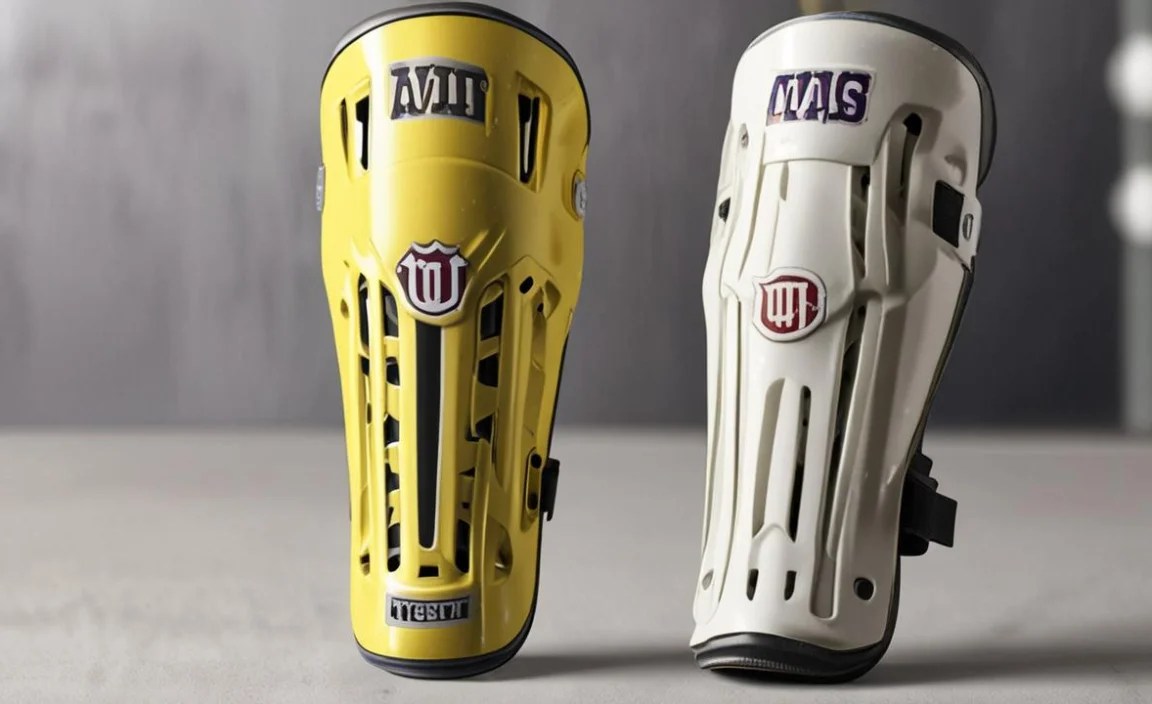
It might seem counterintuitive, but good protective gear like Wilson shin guards can actually help young players improve their skills. Here’s how:
Increased Confidence: When players feel safe and protected, they are more likely to squat low, block pitches aggressively, and get in front of errant throws with confidence. This confidence is essential for developing proper blocking technique. A player who is afraid of getting hit will naturally pull back, hindering their development.
Better Stance and Balance: Shin guards that fit well and stay in place allow a catcher to maintain a stable, balanced stance. This is crucial for receiving pitches effectively and for quickly exploding into throws. Gear that shifts or feels awkward can disrupt a player’s balance and make it harder to get into the optimal catching position.
Focus on Technique: With the assurance of protection, young players can concentrate more on the nuances of catching – framing pitches, transitioning to throw, reading the game – rather than worrying about potential pain. This focused practice leads to faster skill acquisition and improvement.
Reduced Fear of Getting Hit: The physical sensation of getting hit directly on the shin bone can be quite jarring and create a lasting fear. Shin guards act as a buffer, reducing the severity of impacts and helping to mitigate this fear, allowing players to develop a more fearless approach to their position.
How to Properly Care for Your Wilson Shin Guards

To ensure your Wilson youth shin guards last and continue to offer the best protection, proper care and maintenance are essential. Think of it like taking care of your glove or bat – routine attention makes a big difference.
Here’s a simple breakdown of how to keep them in top shape:
Cleaning Your Guards:
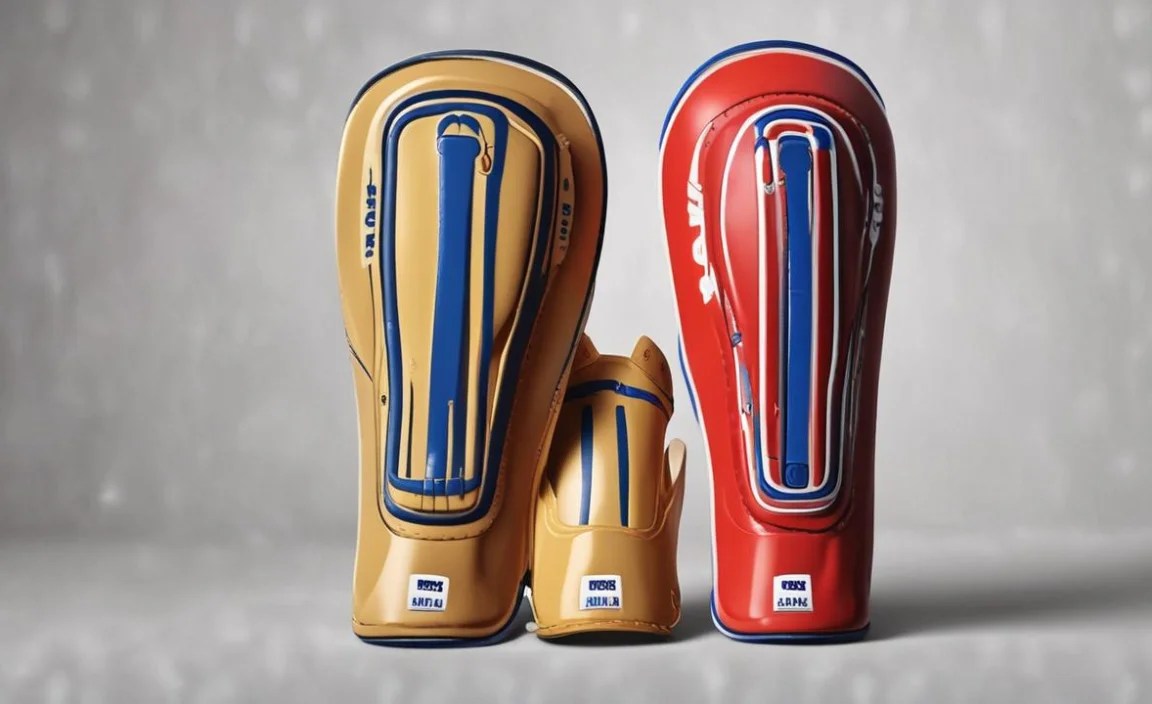
Exterior Wipe Down: After each use, it’s a good idea to wipe down the hard plastic shell. Use a damp cloth, and if there’s dirt or grime, a little mild soap can be used. Rinse the cloth and wipe again to remove soap residue.
Interior Cleaning: The inner padding can absorb sweat. For a general clean, you can use a slightly damp cloth to wipe down the foam. If they need a more thorough cleaning, gently hand-wash the padding with cool water and a mild, non-detergent soap.
Drying is Key: Always ensure the shin guards are completely dry before storing them. Moisture can lead to mildew and unpleasant smells. Store them in a well-ventilated area, not in a tightly closed equipment bag for extended periods.
Storage:
Ventilation: The best way to store shin guards is in a place that allows for air circulation. Avoid leaving them bunched up in a closed bag, especially after a sweaty game.
Avoid Extreme Temperatures: Keep them away from direct sunlight for prolonged periods or extreme heat, as this can degrade the plastic and padding over time.
Inspecting for Wear and Tear:
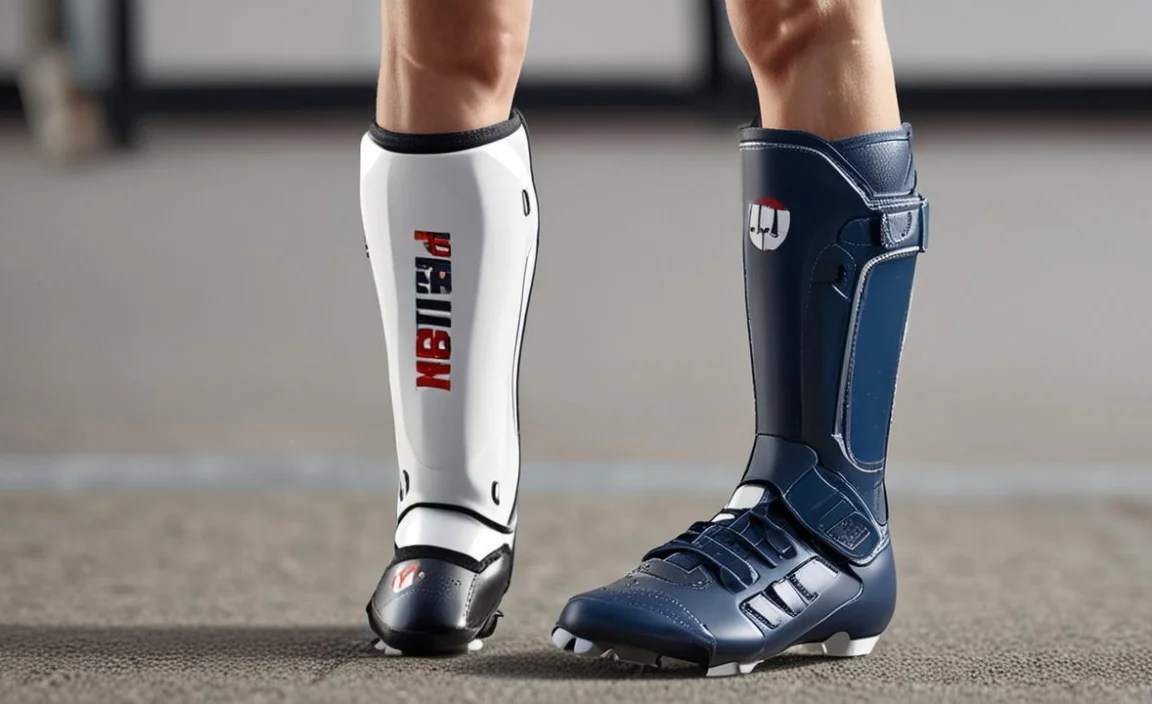
Check Straps: Regularly inspect the Velcro straps to ensure they are still sticky and holding firmly. If they lose their grip, it’s hard to keep the guards in place.
Look for Cracks or Damage: Examine the hard shell for any significant cracks or deep gouges. Even minor damage can compromise the protective integrity of the guard.
Padding Integrity: Feel the padding. If it’s compressed, flattened, or torn, it won’t absorb impact as effectively.
A little bit of care goes a long way in extending the life of your equipment and ensuring your player stays protected.
Protecting Your Investment: What to Expect from Wilson

Investing in Wilson youth shin guards means you’re opting for a brand that understands the needs of young athletes. You’re getting gear designed with safety, comfort, and durability in mind. These shin guards are built to withstand the impacts and demands of the game, allowing young players to focus on their development and enjoyment of baseball.
They provide the peace of mind that parents and coaches look for, knowing that a crucial area of the body is well-protected. For players, they offer the confidence to perform their best, secure in the knowledge that their shins are shielded from those unexpected foul balls and fast pitches.
Conclusion
For any young catcher stepping behind the plate, the right equipment is non-negotiable. Wilson youth shin guards stand out as a reliable choice, blending proven protection with the comfort and adjustability that young players need. By understanding the features, choosing the right fit, and caring for your gear, you’re setting yourself or your player up for a safer, more confident, and ultimately more successful baseball experience. Don’t let fear of impact hold back skill development. With Wilson youth shin guards, young athletes can focus on the game, block with confidence, and truly embrace their role as the backbone of the team.
Frequently Asked Questions
Q1: How do I know what size Wilson youth shin guards to buy?

A1: You should measure your player’s leg from the middle of the kneecap down to the top of their shoe. Then, compare this measurement to the sizing chart provided by Wilson for that specific model of shin guards. Most charts are readily available on the product page or the manufacturer’s website.
Q2: Are Wilson shin guards comfortable for all-day wear?

A2: Wilson generally designs its catcher’s gear for comfort. Look for models with adjustable straps for a custom fit, good padding, and potentially ventilation ports if your player tends to get hot. A proper fit is the biggest factor in all-day comfort.
Q3: How do I clean my Wilson youth shin guards?

A3: Cleaning is usually straightforward. You can typically wipe down the exterior shell with a damp cloth and mild soap. For the inner padding, gently hand-wash with cool water and mild soap, then let them air dry completely. Avoid machine washing or harsh chemicals, as these can damage the materials.
Q4: Can these shin guards be used for other sports?

A4: While designed specifically for baseball and softball catching, some youth shin guards offer general protection. However, it’s best to use gear designed for the specific sport to ensure proper fit, coverage, and impact resistance for that activity. For instance, soccer shin guards are much different.
Q5: How important is the padding inside Wilson shin guards?
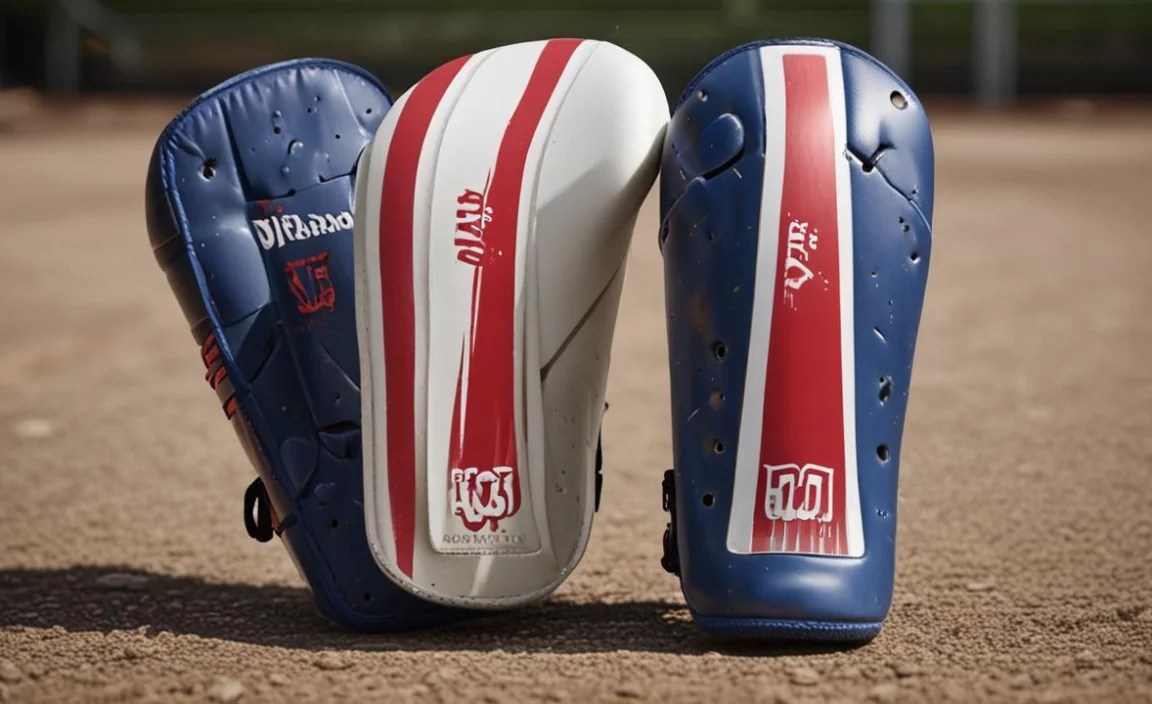
A5: The padding is very important! It’s the layer that absorbs the brunt of the impact after the hard shell deflects the initial force. Thicker, high-density foam generally provides better shock absorption. Wilson uses quality padding to ensure reliable protection for young catchers.
Q6: Do youth shin guards need to be certified by any organization?

A6: For most youth baseball leagues, specific certifications for shin guards beyond general safety standards are not required. However, it’s always a good idea to check your specific league’s rules. Major baseball organizations like MLB and Little League focus more on overall padding and coverage rather than specific certifications for individual pieces like shin guards.
