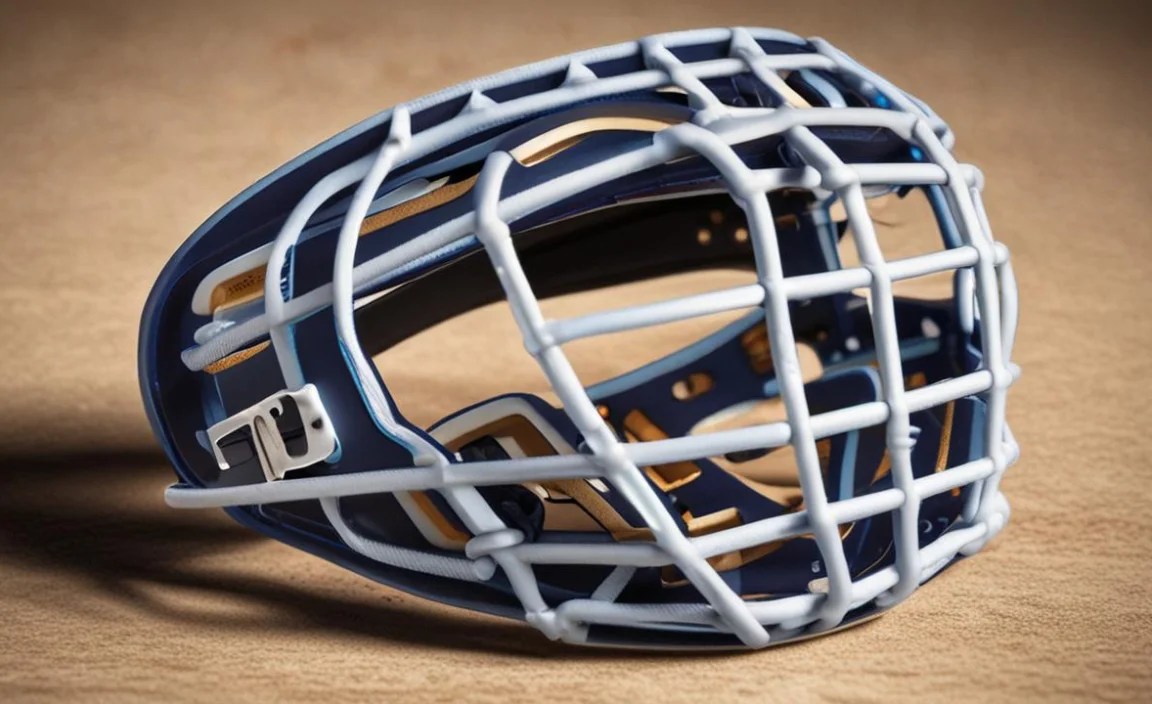
Wilson catchers throat guards are vital for protecting a catcher’s neck and jaw from foul balls, errant pitches, and collision impacts. Essential for safety, they offer peace of mind and improved confidence behind the plate.
Wilson Catchers Throat Guard for Men: Essential Protection

Being a catcher is tough! You’re close to all the action, and sometimes baseballs fly in unexpected directions. One of the most vulnerable spots is your throat and jaw. Getting hit there can really sting, and even worse, it can lead to serious injury. That’s why a good throat guard is a must-have piece of equipment for any catcher. Lucky for you, the Wilson catchers throat guard for men is designed to give you reliable protection without getting in your way.
We’ll dive into why this specific piece of gear is so important, what makes a Wilson throat guard a great choice, and how to make sure you’re getting the most out of yours. No more worrying about those close calls – let’s get you protected!
Why Every Catcher Needs a Throat Guard

Think of your throat guard as your personal bodyguard on the baseball field. It’s a simple piece of equipment, but its job is incredibly important. When you’re crouched behind home plate, you’re in the direct line of fire from pitches, foul tips, and even collisions with runners. A hard baseball traveling at high speed can cause significant damage to your jaw, neck, and face if it strikes unprotected.
A good throat guard acts as a shield, absorbing some of the impact and deflecting the ball away from your most vulnerable areas. This not only prevents painful injuries but also builds confidence. Knowing you have that extra layer of protection allows you to focus on making the play, framing pitches, and calling the game, rather than constantly worrying about getting hurt.
The Benefits of a Wilson Catchers Throat Guard

Wilson has been a trusted name in baseball equipment for generations. They understand the needs of players, from the youngest T-ballers to seasoned pros. When it comes to catcher’s gear, Wilson is known for its durability, comfort, and thoughtful design. Their catchers throat guard for men is no exception. Here’s why it stands out:
- Superior Impact Protection: Built with high-density plastics and foam padding, Wilson throat guards are engineered to withstand forceful impacts. They are designed to dissipate the energy from a foul ball or errant pitch effectively.
- Comfort and Fit: A guard shouldn’t be a distraction. Wilson throat guards are designed to fit snugly and comfortably onto most catcher’s masks without hindering vision or movement. They often feature adjustable straps to ensure a secure fit for different head sizes.
- Durability: Baseball is a tough sport, and gear needs to hold up. Wilson throat guards are made from robust materials that can endure the rigors of frequent use, games, and practices.
- Lightweight Design: While providing excellent protection, these guards are kept relatively lightweight. This means they won’t add unnecessary fatigue or feel cumbersome during a long game.
- Brand Trust: Backed by the reputation of Wilson, you can be confident in the quality and performance of their gear. They consistently produce reliable products that athletes depend on.
Choosing the Right Wilson Throat Guard

While Wilson offers excellent protection, there are a couple of things to consider when picking out your men’s throat guard. Most models are designed to be universal and fit standard catcher’s masks, but it’s always good to double-check the attachment system.
Most Wilson throat guards attach directly to the catcher’s mask using a simple clip or strap system. Ensure the guard you choose is compatible with your specific mask model, though most are very adaptable. The main variations you’ll find are in:
- Material: While most are high-impact plastic, some might have different padding densities or external textures.
- Length/Coverage: Some guards offer slightly more or less coverage on the lower jaw and neck. For general use, standard coverage is usually sufficient.
- Color Options: While functionality is key, you can often find them in classic black, navy, or even team colors to match your gear.
How to Attach and Adjust Your Throat Guard

Getting your Wilson catchers throat guard set up is straightforward. It’s designed for easy installation so you can get back to playing. Here’s a typical process:
- Identify Attachment Points: Look at your catcher’s mask. You’ll see specific points, usually near the bottom or sides, where the mask’s frame is designed to accept accessories like throat guards.
- Align the Guard: Position the throat guard so its clips or mounting brackets align with the designated spots on your mask.
- Secure the Guard:
- Clip-on style: Simply push the clips onto the mask’s wire frame until you feel them snap into place.
- Strap style: Thread the adjustable straps through or around the mask’s frame and secure them according to the guard’s design (e.g., Velcro, buckle).
- Check for Stability: Give the throat guard a gentle tug. It should feel secure and not wobble or shift significantly when you move your head.
- Adjust for Comfort: Ensure the guard sits comfortably against your throat and jaw area. It should not be too tight, causing discomfort, or too loose, leaving gaps. Some guards may have minor adjustments available through the straps for a perfect fit.
- Test Your Vision: Drop into your catcher’s stance and check your field of vision. The guard should not obstruct your view of the pitcher or home plate.
Remember, your throat guard is an extension of your protective gear. A proper fit is crucial for both comfort and effective protection. If you’re unsure, don’t hesitate to ask your coach or a more experienced player for help.
Maintaining Your Wilson Throat Guard

Like any piece of sports equipment, taking good care of your Wilson catchers throat guard will help it last longer and perform better. It’s not complicated, just a few simple steps:
- Clean Regularly: After practices or games, wipe down your throat guard with a damp cloth to remove dirt, sweat, and grime. A mild soap can be used if needed, but always rinse thoroughly and dry.
- Inspect for Damage: Periodically check the guard for any cracks or signs of wear, especially around the mounting points and padding. If you notice any damage, it’s time to consider a replacement.
- Proper Storage: Store your catcher’s mask with the throat guard attached in a cool, dry place. Avoid leaving it in extreme heat (like in a car trunk on a hot day) as this can degrade the plastic over time.
- Avoid Harsh Chemicals: Stick to water or mild soap for cleaning. Harsh chemicals can damage the material and reduce its protective qualities.
When to Replace Your Throat Guard
Throat guards are designed to take a hit, but they aren’t indestructible. There are a few indicators that it’s time for a new one:
- Cracks or Breaks: Any visible cracks, especially on the main protective surface or the mounting clips, mean it’s time for a replacement. Even a small crack can compromise its ability to protect you.
- Severe Discoloration or Brittleness: If the plastic has become unusually discolored or feels brittle to the touch, it may have been degraded by UV exposure or age.
- Loose Fit: If the guard no longer attaches securely to your mask and wiggles around, it won’t offer adequate protection.
- After a Significant Impact: Even if there’s no visible damage, if the throat guard has taken a direct, very forceful hit, it’s wise to err on the side of caution and replace it. The internal structure might be compromised.
The Evolution of Catcher’s Protection
It’s amazing to think about how catcher’s gear has changed over the years. In the early days of baseball, catchers wore very little protection. A simple leather mask might have been all they had! As the game evolved and ball speeds increased, so did the necessity for better equipment.
The development of modern catcher’s masks, with their steel cages and advanced padding, was a huge leap forward. Within that evolution, the throat guard became a standard component. It addressed a specific, critical area of vulnerability. You can see this evolution by looking at how gear has been designed by major leagues and even documented by university sports science programs. For instance, studies on impact absorption in sports protective equipment often highlight advancements in polymer technologies that are now used in gear like throat guards.
Today’s materials science allows for lighter, stronger, and more effective protective gear than ever before. Wilson’s commitment to using these advancements means that players can get top-notch protection that doesn’t hinder their performance. It’s a testament to how the game prioritizes player safety while still pushing the limits of athleticism. If you’re interested in the science behind sports safety, resources like those from the NCAA often discuss research into protective equipment and injury prevention across various sports.
Comparing Throat Guard Features
While we’re focusing on Wilson, it’s helpful to know what features differentiate throat guards in general. This helps you appreciate what Wilson brings to the table.
| Feature | Importance for Catchers | What to Look For |
|---|---|---|
| Material Strength | Crucial for absorbing impact. | High-density plastics (ABS, polycarbonate); look for certifications if available. |
| Padding Type | Adds comfort and further impact absorption. | Dense, closed-cell foam that won’t easily compress or degrade. |
| Attachment System | Ensures the guard stays put. | Sturdy clips, secure straps that are easy to adjust and won’t loosen during play. Should be compatible with your mask. |
| Coverage Area | Protects the widest possible area of the neck and jaw. | Guard should extend low enough to cover the vulnerable parts of the throat and fit snugly along the jawline. |
| Weight | Prevents neck strain and maintains agility. | Lightweight materials are preferred so it doesn’t feel like an encumbrance. |
| Ventilation | Helps with comfort during intense play. | Some designs may incorporate small vents, though on a throat guard, this is less common than on helmets. |
Wilson catchers throat guards generally score high marks across these categories, particularly in material strength, reliable attachment, and good coverage, all while maintaining a reasonable weight.
Frequently Asked Questions About Wilson Catchers Throat Guards
Q1: Is a throat guard really necessary for a catcher?
Absolutely! Catchers are in a dangerous position behind home plate. Foul balls, wild pitches, and collisions can all pose a risk to the throat and jaw. A throat guard provides essential protection against these impacts, preventing pain and serious injury.
Q2: How do I know if my Wilson throat guard fits my mask?
Most Wilson men’s throat guards are designed to fit universally on standard catcher’s masks. Check the attachment points on your mask and the guard to ensure they are compatible. Typically, they use clips or straps that attach to the mask’s frame. A snug fit is key.
Q3: Can I use a youth-sized throat guard if I’m an adult?
It’s best to use gear designed for your age and size category. A men’s throat guard is sized for an adult head and mask. While some youth guards might technically attach, they may not offer adequate coverage or secure fit for an adult catcher. Always opt for “men’s” or “adult” sizing for best results.
Q4: How often should I replace my throat guard?
You should replace your throat guard if you see any cracks or damage, if it no longer fits securely, or after it has absorbed a significant impact. Even without visible damage, plastic materials can degrade over time. Inspect it regularly.
Q5: Will a throat guard affect my vision or ability to breathe?
A well-designed throat guard, like those made by Wilson, should not significantly impede your vision or breathing when properly fitted. It’s positioned to protect your throat and jaw without blocking your line of sight to the pitcher or your ability to take breaths between pitches.
Q6: What’s the best way to clean my Wilson throat guard?
The easiest way to clean your throat guard is with a damp cloth to wipe off sweat and dirt. For tougher grime, use a mild soap and water, then rinse thoroughly and let it air dry. Avoid harsh chemicals or abrasive cleaners.
Conclusion
As a catcher, you’re the quarterback of the defense. You’re in the trenches, making big plays and taking charge. To do that effectively and safely, you need the right gear. A Wilson catchers throat guard for men is more than just an accessory; it’s a critical piece of protective equipment that safeguards your well-being behind the plate. By understanding why it’s important, choosing a quality guard, and taking care of it, you can step onto the field with confidence, knowing you’re covered.
Don’t let the fear of getting hit hold you back. Invest in your protection, focus on your game, and enjoy the challenge and excitement of being behind the dish. Stay safe out there, and keep practicing!
