Wilson Catchers Throat Guard: Your Ultimate Pro Essential for Safety and Confidence. Learn why this piece of gear is crucial for every catcher, from youth leagues to the pros, and how to pick the right one for peak performance.
Ever feel that little pang of worry when a foul ball heads your way, or a wild pitch zips past? As a catcher, your primary job is to protect home plate, and that includes protecting yourself. One piece of gear that’s often overlooked, but is absolutely critical for safety and confidence, is the throat guard. Specifically, the Wilson Catcher’s Throat Guard has become a go-to for players who understand its importance. This guide will break down why it’s a pro essential and how it can help you play with more freedom.
We’ll dive into what makes a great throat guard, how to choose one that fits perfectly with your catcher’s mask, and the peace of mind it offers so you can focus on calling the game and making those crucial plays. Let’s get you geared up and ready to block anything!
Why Every Catcher Needs a Throat Guard

Catching is a demanding position. You’re up close to the action, facing fast pitches and the risk of foul balls heading straight for your face. While your mask is your primary defense, it doesn’t always cover every angle, especially the throat – a vulnerable area. That’s where a catcher’s throat guard comes in.
Think of it as an extension of your protective gear. It’s designed to absorb impact and deflect those unexpected shots that can cause serious injury. Without one, even a seemingly minor foul tip can lead to a painful and potentially game-ending situation. For professionals, the margin for error is slim, and every piece of equipment plays a role in maintaining peak performance and readiness. For developing players, it’s about building good habits and prioritizing safety from the start.
The Wilson Difference
Wilson has a long-standing reputation for quality baseball equipment, and their catcher’s throat guards are no exception. They are designed with the player in mind, focusing on:
- Protection: Built with durable materials that can withstand impact.
- Fit: Engineered to integrate seamlessly with their masks for a secure, comfortable fit.
- Mobility: Designed not to hinder your range of motion, allowing you to move freely behind the plate.
- Durability: Made to last through countless innings and intense play.
When you see a “Wilson Catchers Throat Guard,” you can generally expect a product that’s been thought through, tested, and built to meet the demands of the game.
Choosing Your Wilson Catchers Throat Guard: What to Look For

Not all throat guards are created equal, and even within the Wilson lineup, there are factors to consider. The best choice for you will depend on your specific needs, your existing gear, and how you play.
Material Matters
Most high-quality throat guards, including those from Wilson, are made from durable plastics or reinforced polymers. These materials are chosen for their ability to absorb and dissipate the force of impact while remaining lightweight. Some might have a slight bit of flexibility, which helps in cushioning the blow.
Compatibility with Your Mask
This is perhaps the most crucial aspect. A throat guard is usually attached to the catcher’s mask. Wilson manufactures its throat guards to pair optimally with their own line of catcher’s masks. While some universal options might exist, you’ll get the most secure and effective fit by choosing a Wilson throat guard designed for your specific Wilson mask model. Check the product descriptions carefully to ensure compatibility. For instance, a guard designed for a professional-level mask might not fit a youth model properly.
Length and Coverage
Throat guards vary in length. Some offer more extended coverage, providing a bit of extra protection down the sternum area, while others are more compact, just covering the immediate throat region. Consider:
- Your playing style: Are you often in a deep squat, or do you tend to stand a bit taller?
- Your mask design: Some masks have better inherent coverage, meaning a shorter guard might suffice.
- Comfort: Ensure the length doesn’t interfere with your chest protector or feel overly restrictive.
Attachment System
How does the throat guard attach to the mask? Most commonly, they use clips or screws that integrate with mounting points on the mask. A secure attachment means the guard won’t shift or become dislodged during gameplay, which is essential for both safety and performance. It should feel like a natural extension of the mask, not an add-on.
Weight and Feel
While protection is paramount, you also don’t want a throat guard that feels like a lead weight. A good throat guard, even one designed for professionals, should be lightweight enough that you barely notice it once it’s on. This allows you to focus on the game, not on adjusting your gear. Wilson generally excels at balancing protection with a player-friendly design.
Wilson Catchers Throat Guard: Key Features and Benefits

When you opt for a Wilson Catcher’s Throat Guard, you’re investing in more than just a piece of plastic. You’re investing in safety, confidence, and performance. Here’s a breakdown of what makes them stand out:
Superior Impact Absorption
Wilson designs its throat guards using high-impact resistant materials. This means that in the event of a foul tip or a stray ball, the guard is engineered to absorb and disperse the energy, significantly reducing the risk of direct impact to your throat. This protection is vital for preventing injuries that can sideline a player.
Enhanced Neck Protection
The throat area is particularly sensitive. A well-designed throat guard provides a critical barrier, shielding this vulnerable zone from direct blows. This is especially important for catchers who are constantly in a vulnerable position, enduring the rigors of fastballs, curveballs, and foul tips. For professional players, maintaining their physical ability to perform is paramount, and this extends to preventing every possible injury.
Uncompromised Mobility and Comfort
One of the concerns with adding any gear is whether it will restrict movement. Wilson understands that catchers need to be agile. Their throat guards are typically designed to be contoured and streamlined. They attach securely to the mask without interfering with your ability to turn your head, squat deeply, or pivot. The lightweight materials also contribute to the overall comfort, allowing you to focus on the game rather than on your equipment.
Secure and Stable Fit
A loose throat guard is not only ineffective but also a distraction. Wilson throat guards are built for a snug and stable fit. When properly attached to a compatible Wilson mask, they stay in place, even during aggressive movements or impacts. This reliability ensures that your protection is where it needs to be, every single play.
Durability for Season After Season
Baseball, especially at higher levels, is tough on equipment. Wilson’s commitment to quality means their throat guards are constructed for longevity. They are designed to withstand the repeated impacts, the sun, sweat, and the general wear and tear of a long season and multiple seasons. This makes them a wise investment, providing consistent protection year after year.
Professional Grade Performance
The “Pro Essential” moniker isn’t just marketing. Professional catchers demand gear that offers the highest level of protection without compromising performance. Wilson’s throat guards are often seen on the faces of top-tier players because they meet these rigorous standards. When you choose a Wilson throat guard, you’re choosing gear trusted at the highest levels of the game.
Integrating Your Throat Guard: A Practical Guide
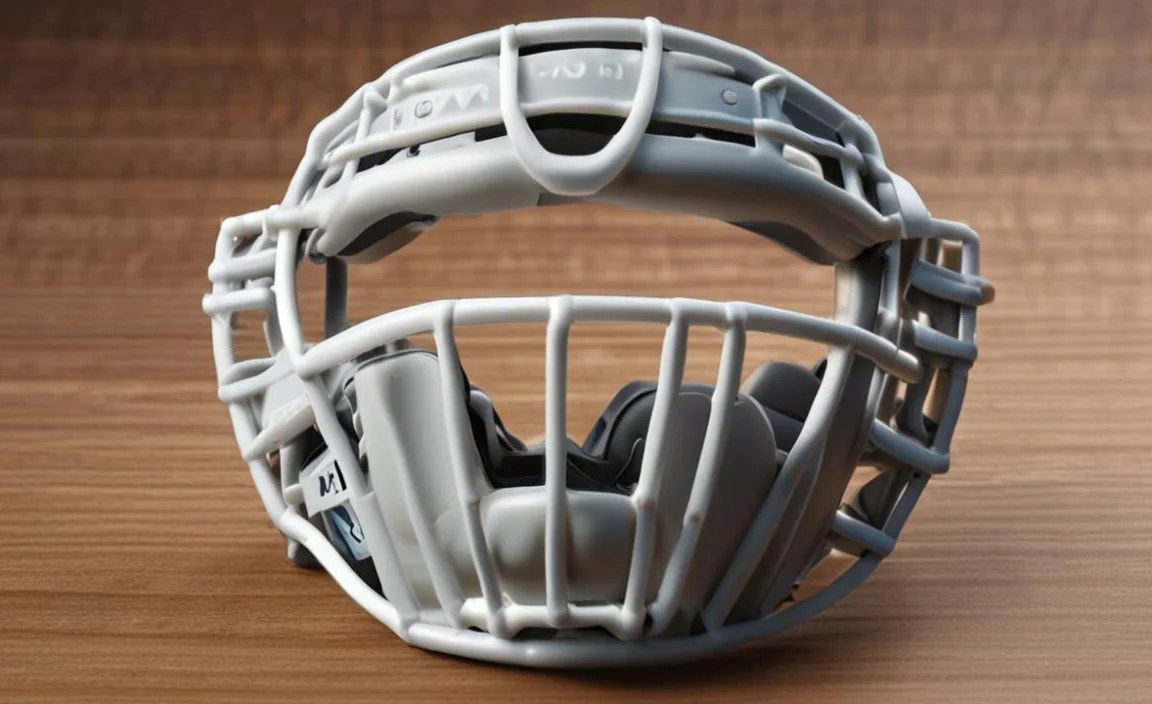
Attaching a throat guard might seem straightforward, but doing it correctly ensures it provides the best protection and comfort. Here’s a simple breakdown:
- Identify Attachment Points: Look at your Wilson catcher’s mask. Most have pre-drilled holes or specific mounting brackets designed for throat guards.
- Align the Guard: Position the throat guard so its attachment tabs or screws align perfectly with the designated spots on your mask. Ensure it’s facing the correct direction – you want the angled part to deflect, not to get in your way.
- Secure the Fasteners:
- Screws: If your guard uses screws, insert them through the guard’s holes and into the mask’s threads or corresponding holes. Tighten them securely, but avoid overtightening, which could strip the threads or crack the plastic. A screwdriver is your main tool here.
- Clips: Some guards use a clip-on system. These should snap firmly into place. Ensure both sides are fully engaged.
- Check for Stability: Once attached, gently try to wiggle the throat guard. It should feel solid and firmly attached to the mask. There should be no significant movement or looseness.
- Test the Fit: Put on your mask with the attached throat guard. Squat down, turn your head from side to side, and look up and down. Does it feel comfortable? Does it obstruct your vision or breathing? Make minor adjustments if needed, but remember that a certain amount of adjustment is normal for any new piece of gear.
Many manufacturers, including; Wilson Sporting Goods, provide specific instructions for their models. It’s always a good idea to consult the manual that came with your throat guard and mask for the most accurate fitting advice specific to your equipment.
When to Replace Your Throat Guard
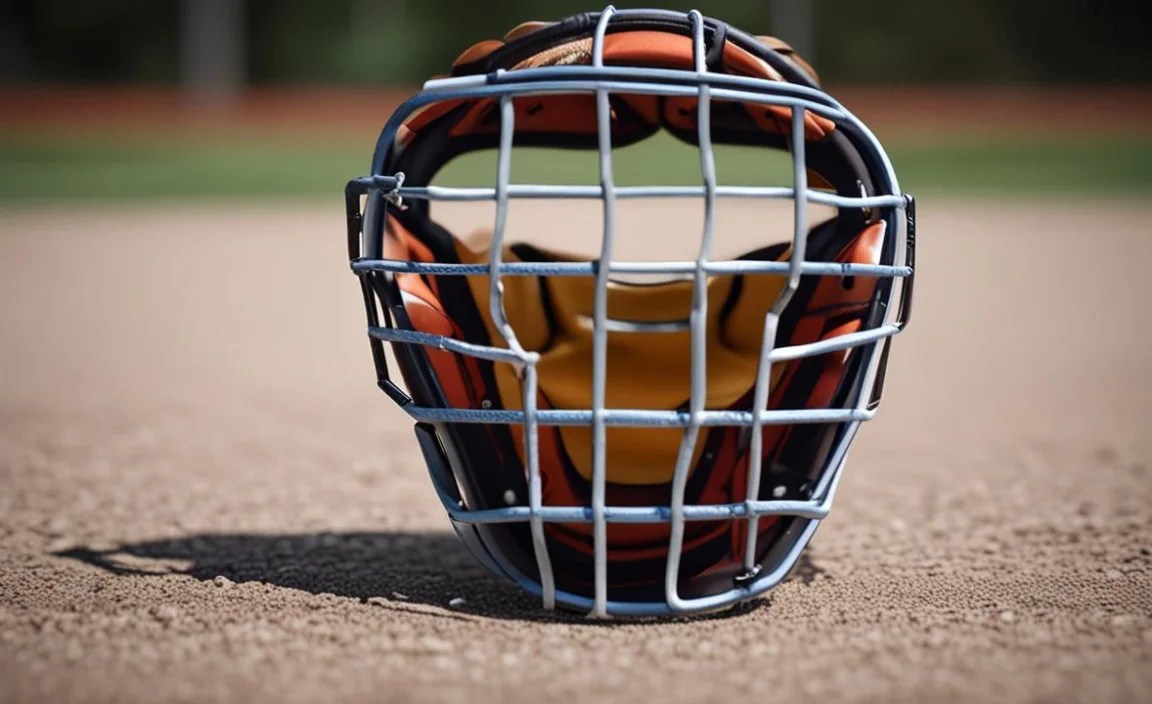
Even the most durable gear eventually wears out or sustains damage. Here’s when it’s time to consider replacing your Wilson catcher’s throat guard:
- Cracks or Fractures: Any visible cracks, even small ones, can compromise the guard’s structural integrity. A compromised guard might break upon impact, failing to offer adequate protection.
- Loose Attachment: If the screws become stripped, the clips break, or the guard no longer attaches securely to the mask, it needs to be replaced. A wobbly guard is a safety hazard.
- Significant Deformity: If the guard has been hit hard and visibly deformed, it may have absorb that impact energy, meaning it might not protect as well on a subsequent hit.
- Outdated Design/Fit: As you or your player’s needs change, or if you upgrade your mask to a model with a different design, your current throat guard might not offer the optimal fit or coverage.
- General Wear and Tear: While less common, if the material starts to degrade significantly due to extreme age and exposure, it’s wise to replace it.
Regularly inspecting your gear, especially after a hard foul ball or a collision, is a crucial part of maintaining your safety behind the plate.
FAQs About Wilson Catchers Throat Guards
Q1: What exactly is a catcher’s throat guard for?
A catcher’s throat guard is a piece of protective equipment that attaches to the bottom of a catcher’s mask. Its primary purpose is to shield the catcher’s throat and upper chest area from impact, particularly from foul balls, wild pitches, or accidental contact during play.
Q2: Are Wilson catchers throat guards universal?
Wilson throat guards are typically designed to fit most Wilson catcher’s masks. However, for the most secure and optimal fit, it’s best to ensure the throat guard model is compatible with your specific Wilson mask model. Always check product descriptions for compatibility, as fit can vary slightly between different mask series (e.g., youth vs. adult, specific pro models).
Q3: How do I attach a Wilson throat guard to my mask?
Most Wilson throat guards attach using screws that thread into the mask, or via robust clip systems. You’ll typically align the guard against the mask’s frame at the bottom, match the holes or clips, and then secure it with the provided hardware. Ensure it’s snug and doesn’t move.
Q4: Can I use a throat guard from another brand with a Wilson mask?
While some universal throat guards might fit, it’s not guaranteed and not always recommended. Manufacturers design their guards to integrate best with their own masks. Using a non-compatible guard could result in a loose fit, reduced protection, or even damage to your mask. For the best performance and safety, a Wilson guard on a Wilson mask is ideal.
Q5: How tight should the throat guard be?
The throat guard should be attached firmly enough that it doesn’t move or rattle during play. However, avoid overtightening screws to the point where they might strip the threads or crack the plastic of the mask or guard. It should feel secure like a solid part of the mask assembly.
Q6: Is a throat guard mandatory in youth baseball?
Regulations can vary by league and governing body. Many youth baseball and softball leagues, such as those affiliated with Little League International, strongly recommend or mandate catcher’s masks with guards for safety reasons, especially for younger players who may not have fully developed reflexes or strength.
Q7: How much does a Wilson catcher’s throat guard typically cost?
The price can range, but generally, a quality Wilson catcher’s throat guard will cost anywhere from $15 to $30. Professional-grade models or those with specific features might be at the higher end of this range. This is a small investment for essential protection.
Conclusion
To sum it all up, the Wilson Catcher’s Throat Guard isn’t just an accessory; it’s a vital piece of modern catcher’s equipment. It’s the silent guardian that allows you to play the game with the confidence that your throat and neck are protected from those unwelcome, high-speed projectiles. Whether you’re a young player just starting out, a parent equipping your budding catcher, or a seasoned player looking to ensure you have the best gear, choosing a Wilson throat guard is a smart decision. It’s a testament to Wilson’s commitment to player safety and performance, ensuring that you can focus on what truly matters: making the next great play, calling the perfect pitch, and enjoying every moment on the field. Protect yourself, play with confidence, and let your game do the talking.
