Youth catcher gear combos offer a fantastic way for young players to get all the essential protective equipment at a great price. Buying as a set saves money compared to purchasing each piece individually, ensuring safety while being budget-friendly for parents and coaches.
Catching in baseball is a unique and vital role. It requires a special set of skills and, more importantly, specialized gear. For young players just getting started, the world of catcher’s equipment can seem a bit daunting. You need a helmet, a chest protector, and leg guards to stay safe. Add a catcher’s mitt, and you’ve got the core of what makes a catcher protected and ready to play. But buying all these pieces separately can quickly add up, making it tough for families on a budget. This is where youth catcher gear combos shine, offering a smart way to equip your young athlete without breaking the bank.
In this guide, we’ll break down what goes into a catcher’s gear combo, why it’s a smart choice, and what to look for to ensure your young player is safe, comfortable, and ready to dominate behind the plate. We’ll cover the essential pieces of a combo, discuss how to find the best fit, and even touch upon how to get the most value for your money. Get ready to gear up your little catcher the smart way!
Why Choose a Youth Catcher Gear Combo?

As a coach and gear enthusiast, I’ve seen firsthand how much a young player’s confidence can be boosted by having reliable equipment. For catchers, safety is paramount. A good gear combo isn’t just about saving money; it’s about ensuring your young player is properly protected from foul tips, wild pitches, and collisions at home plate. When you buy a combo, manufacturers often design the pieces to work together, offering a consistent level of protection and a coordinated look.
Here’s why a combo deal is often a home run for young catchers and their families:
- Cost Savings: This is the biggest draw. Bundling items together usually results in a lower overall price than purchasing each piece individually. This is especially helpful for parents who are outfitting a child who is growing quickly or trying out a new position.
- Convenience: Instead of researching and buying a helmet, then a chest protector, then leg guards, and finally a mitt, you can often get a complete set from a single purchase. This saves significant time and mental energy.
- Coordinated Protection: Most gear combos are designed by the same brand, meaning the pieces are often intended to fit well together and provide a standardized level of protection. This can give parents peace of mind knowing their child is covered.
- Beginner Focus: Many combos are specifically curated for youth leagues, featuring lighter-weight, more flexible materials that are easier for younger players to wear and move in.
The Essential Pieces of a Youth Catcher Gear Combo

A standard youth catcher gear combo typically includes the most crucial items a young player needs to stay safe behind the plate. While specific packages may vary slightly, you can generally expect the following:
1. Catcher’s Helmet (Hockey-Style or Mask-and-Cap)
The helmet is arguably the most important piece of protective gear. It shields the head, face, and jaw from impact. Youth helmets often come in two main styles:
- Hockey-Style Helmets: These are very popular for youth leagues. They offer full facial protection with a cage attached directly to the helmet, covering the forehead, eyes, nose, and chin. They are generally sturdy and provide excellent visibility.
- Mask-and-Cap Sets: This style consists of a separate wire mask that fits over a skull cap or a small batting helmet. While effective, they might offer slightly less comprehensive facial coverage than a full hockey-style helmet.
When looking at combos, ensure the helmet has good padding, a secure strap system, and meets appropriate safety standards for youth baseball. It should fit snugly without being too tight, allowing for a clear line of sight.
2. Chest Protector
The chest protector’s job is to absorb the impact of foul balls, pitches in the dirt, and collisions. Modern chest protectors are typically made with foam padding covered by a durable plastic shell. Key features to look for include:
- Adjustable Straps: These allow for a secure and personalized fit, ensuring the protector stays in place during play.
- Padding Coverage: Good protectors cover the entire sternum and upper abdomen. Some also extend to offer more protection to the shoulders and collarbone area.
- Flexibility: While protection is key, a good chest protector shouldn’t be so stiff that it restricts a young player’s ability to move, bend, or throw.
Combos often include a chest protector designed to integrate with the leg guards for better overall comfort and security.
3. Leg Guards
Leg guards protect the knees, shins, and feet from errant pitches and ground balls. They are typically a three-piece system: two shin guards that extend from the knee down to the ankle, and often an extendable toe cap. Important considerations for leg guards include:
- Knee and Shin Protection: Look for sturdy, molded plastic with ample padding. The knee cap should be well-defined and protective.
- Wrap-around design: Some leg guards offer a wrap-around design that provides more complete shin coverage.
- Secure Fit: Multiple adjustable straps are essential to keep the leg guards firmly in place and prevent them from shifting during play.
- Toe Protection: If the combo includes them, toe caps add an extra layer of safety for the front of the foot.
The best leg guards will allow for a good range of motion while offering robust protection.
4. Catcher’s Mitt
While not always included in every combo, many youth catcher gear packages do come with a catcher’s mitt. These mitts are significantly different from fielder’s gloves. They are larger, have a deep pocket, and are designed to create a soft, secure target for pitchers. When a catcher’s mitt is part of a combo, it’s usually a beginner-friendly model. Here’s what to know:
- Size: Youth catcher’s mitts typically range from 30 to 34 inches in circumference. The right size depends on the league rules and the physical size of the player.
- Break-in: Most youth mitts included in combos are made from softer leather or synthetic materials, meaning they require less break-in time than professional-grade gloves.
- Padding: Ensure the mitt has sufficient padding to help absorb the impact of pitches.
If a mitt isn’t included, you’ll need to purchase one separately. This is often where parents can individually select a mitt that perfectly suits their child’s hand size and playing style. You can find great resources on choosing the right catcher’s mitt, even for beginners, at reputable sites like MLB.com, which offers tips on glove care.
What to Consider When Buying a Youth Catcher Gear Combo

When you’re looking to purchase a youth catcher gear combo, there are several factors to keep in mind to ensure you’re getting the best value and protection for your young player. It’s not just about grabbing the cheapest option available. Remember, this gear is critical for safety.
Fit is King!
This is the most important factor. Gear that is too big or too small won’t offer proper protection and can be uncomfortable, hindering performance. Always check the sizing charts provided by the manufacturer. Most brands will offer sizing based on age, height, or sometimes specific measurements like chest size or inseam. If possible, try the gear on before buying. If buying online, understand the return policy. A well-fitting helmet should sit level on the head without wobbling, a chest protector should cover the torso comfortably, and leg guards should secure tightly around the legs and knees.
Material and Durability
Youth gear doesn’t need to be professional-grade, but it should be durable enough to withstand the rigors of a baseball season. Look for combos made from sturdy plastics and high-density foams. While lighter materials can be good for comfort, make sure they don’t feel flimsy. Most reputable brands use materials designed for youth play that offer a good balance of protection and weight. Read reviews from other parents and coaches to get an idea of how well the gear holds up over time.
Safety Standards
Ensure the gear, especially the helmet and mask, meets current safety standards. For baseball, look for compliance with ASTM standards. While specific standards can be complex, reputable manufacturers will clearly state if their products meet these requirements. This information is usually found on the product packaging or the manufacturer’s website. For example, ASTM International sets standards for protective equipment used in sports, and it’s wise to check that the equipment adheres to these guidelines. You can find more about ASTM standards on their official ASTM.org website.
Brand Reputation
Well-known baseball equipment brands often have a reputation for quality and safety. While you might find generic options that seem appealingly low-priced, sticking with brands that specialize in baseball gear can offer greater assurance. Brands like Wilson, Easton, Rawlings, Mizuno, and All-Star consistently produce reliable youth catcher’s gear. Their combos are often well-thought-out and tested.
What’s Included in the Combo?
As we’ve discussed, combos can vary. Some may include the mitt, while others focus solely on the protective pieces (chest protector, leg guards, helmet). Make sure you know exactly what you’re getting when you purchase. If a mitt isn’t included, factor its cost into your total budget. The same applies to other accessories like throat protectors or throat guards, which are important additions to helmets.
Comparing Combo Options: A Sample Table
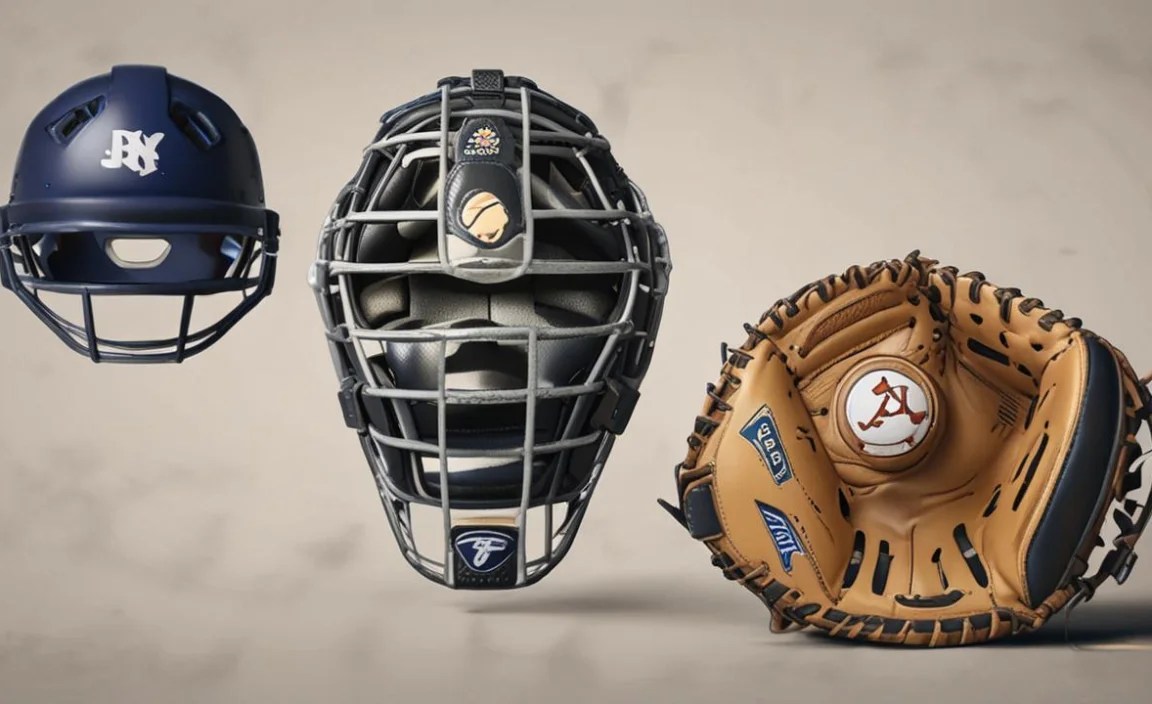
To help you visualize the differences, here’s a simplified table comparing a couple of hypothetical youth catcher gear combos. Prices are illustrative and can vary greatly based on retailer, sales, and specific models.
| Feature | Combo A (Entry-Level) | Combo B (Mid-Tier) | Combo C (Advanced Youth) |
|---|---|---|---|
| Approximate Price Range | $100 – $150 | $150 – $225 | $225 – $300+ |
| Helmet Style | Hockey-style, basic protection | Hockey-style, enhanced padding, better fit | Lightweight, superior impact dispersion, premium padding |
| Chest Protector | Standard coverage, foam padding | Extended coverage, denser foam, articulated design for mobility | Pro-style, advanced impact absorption, moisture-wicking liner |
| Leg Guards | Basic shin and knee protection, standard straps | Enhanced knee and shin coverage, improved strap system, optional toe cap | Ergonomic design, superior knee protection, reinforced toe guards, easy on/off straps |
| Catcher’s Mitt Included? | Often No, or very basic | Sometimes, usually a decent starter mitt (30-32″) | Less common, or a higher quality starter mitt (32-34″) |
| Ideal For | Youngest players, first-time catchers, occasional use | Developing players, regular league play, players seeking better comfort and protection | Serious youth players, those looking for a step up in performance and safety before High School |
Beyond the Combo: Essential Catcher’s Mitt Tips

If your combo doesn’t include a mitt, or if you decide to upgrade, choosing the right youth catcher’s mitt is crucial. Here are some key points:
- Size Matters: For youth leagues (ages 5-12 typically), a 30- to 32-inch mitt is usually appropriate. Older kids in junior high or early high school might use a 32- to 34-inch mitt. Always check league rules and measure your player’s hand.
- Pocket Depth: A deep pocket is essential for catching pitches. It helps secure the ball and prevents it from popping out.
- Break-in Period: Baseball mitts, especially leather ones, require a break-in period. While combos might include mitts that are easier to break in, any new glove will benefit from some conditioning. There are many methods, from glove mallets to steaming (use with caution!), but simple playing catch is often the best way. You can find guides on breaking in a glove on sites like Dick’s Sporting Goods.
- Padding: Ensure there’s enough padding to protect the catcher’s hand from the sting of fast pitches.
Maintaining Your Gear for Longevity
To get the most out of your youth catcher gear combo, proper maintenance is key. This not only extends the life of the equipment but also ensures it remains effective and safe.
- Clean After Use: After every practice or game, wipe down the helmet, chest protector, and leg guards with a damp cloth to remove dirt and sweat. This prevents buildup and keeps the gear hygienic.
- Inspect Regularly: Periodically check all straps, buckles, and fasteners to ensure they are still secure and functional. Look for any cracks in the plastic of the helmet or leg guards, or tears in the padding.
- Air Dry: Never store damp gear in a closed bag, as this can lead to mildew and unpleasant odors. Let your gear air out completely after each use.
- Proper Storage: When not in use, store your gear in a cool, dry place. A large equipment bag is ideal. Avoid leaving it in direct sunlight or extreme temperatures, which can degrade materials over time.
- Mitt Care: If a mitt is included, follow specific mitt care instructions. Condition the leather periodically with a suitable glove conditioner to keep it supple and prevent cracking. Store it properly, perhaps with a ball in the pocket to help maintain its shape.
Frequently Asked Questions (FAQ) on Youth Catcher Gear Combos
Q1: What age group are youth catcher gear combos typically designed for?
A1: Youth catcher gear combos are generally designed for players from T-ball through Little League and sometimes into junior high levels, typically ages 5 to 14. Always check the specific sizing recommendations from the manufacturer, as they can vary.
Q2: Is it always cheaper to buy a catcher gear combo than individual pieces?
A2: In most cases, yes. Bundling the essential protective gear (helmet, chest protector, leg guards) into a combo offers significant savings compared to purchasing each item separately. This makes it a very cost-effective option for parents.
Q3: Can my young catcher use adult gear if it fits?
A3: While a very small adult might fit into some smaller adult gear, it’s generally best to stick with youth-specific equipment. Youth gear is designed with lighter materials and features tailored to the size, strength, and needs of younger players, ensuring better safety and comfort.
Q4: How do I know if the catcher’s helmet fits properly?
A4: A properly fitting helmet should sit level on the head, covering the forehead. When the player shakes their head, the helmet should not move excessively. The chin strap should be snug but allow for comfortable breathing. Most helmets have adjustment mechanisms for a custom fit.
Q5: Do catcher gear combos include a catcher’s mitt?
A5: Some do, but not all. Many combos focus on the helmet, chest protector, and leg guards. If a mitt is included, it’s often a basic model. It’s important to check the product description carefully to see exactly what pieces are included in the combo.
Q6: Are catcher gear combos safe enough for competitive play?
A6: For youth leagues and beginner to intermediate play, well-made catcher gear combos from reputable brands offer excellent safety. They are designed to meet safety standards. However, for very high-level competitive youth leagues or travel ball, a player might consider upgrading individual pieces (especially the mitt or helmet) for enhanced protection and performance, but a combo is a great starting point.
Q7: How long does youth catcher gear typically last?
A7: With proper care and regular inspection, youth catcher gear can last one to two seasons or even longer, depending on the player’s growth and the intensity of play. Regular cleaning, air drying, and checking for damage will help maximize its lifespan.
