Finding the right youth catcher gear is key for safety and performance. This guide helps you identify essential pieces like helmets, chest protectors, and leg guards, and shows you where to find quality equipment to protect your young catcher and enhance their game.
Catching in baseball is a tough but incredibly rewarding position. It requires grit, quick thinking, and, most importantly, reliable gear. For young players stepping behind the plate, having the right equipment isn’t just about looking the part; it’s about staying safe and building confidence. Many parents and young athletes get overwhelmed trying to figure out exactly what makes up a catcher’s kit and where to find it. This guide will break down all the essential youth catcher gear you need, making it easy to find the perfect fit near you.
The Catcher’s Essential Toolkit: What Every Young Backstop Needs

A catcher’s uniform is more than just a jersey and pants. It’s a specialized set of protective equipment designed to withstand the rigors of the position. For youth players, this gear needs to be comfortable, protective, and sized correctly to allow for maximum movement and safety. Let’s dive into each piece of the puzzle.
1. The Catcher’s Helmet: Your First Line of Defense
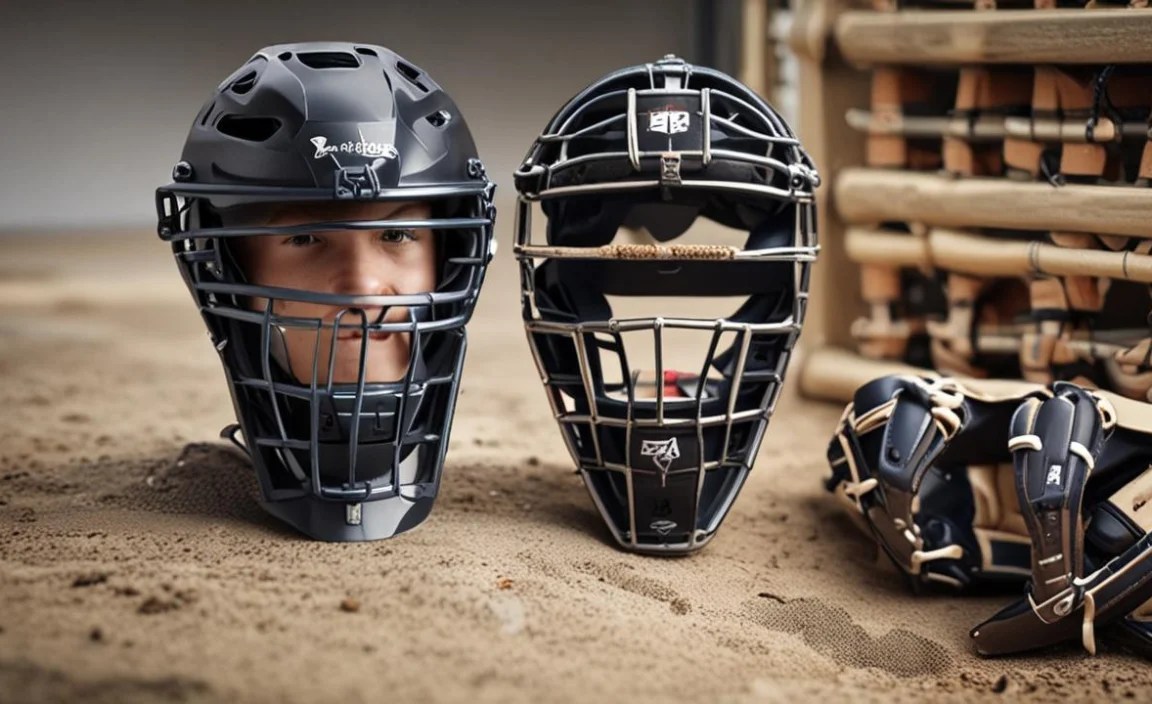
The catcher’s helmet, often called a mask or hockey-style helmet, is arguably the most critical piece of equipment. Its primary job is to protect the face, head, and throat from errant pitches, foul tips, and collisions at the plate. Youth helmets are designed to be lighter and more form-fitting for younger players.
Key Features to Look For:
- Multi-layer Padding: Provides shock absorption and a snug fit.
- Steel or ABS Cage: Offers robust protection for the face.
- Breathability: Vents help keep the player cool during long games and practices.
- Throat Protector: An extension that guards the vulnerable neck area.
- Adjustable Straps: Essential for achieving a secure and comfortable fit as the player grows.
When choosing a helmet, ensuring it meets current safety standards is paramount. Look for certifications from organizations like SEI (Safety Equipment Institute), which often indicates the gear has undergone rigorous testing.
2. The Chest Protector: Shielding the Torso
This piece of gear covers the chest, abdomen, and sometimes the shoulders, protecting the player from foul balls and direct impact. Youth chest protectors are designed to be less bulky than adult versions, allowing for greater flexibility.
What to Consider:
- Coverage Area: Ensure it covers the chest and abdomen adequately. Some models offer additional shoulder padding.
- Flexibility: The protector should allow the catcher to move freely, crouch, and throw.
- Padding Density: Look for dense but not overly stiff padding that absorbs impact effectively.
- Ventilation: Similar to the helmet, good airflow enhances comfort.
- Adjustable Straps: To secure the protector snugly against the body.
A well-fitting chest protector should stay in place even during aggressive movements, providing consistent protection without hindering the player’s ability to play.
3. Leg Guards: Protecting the Lower Extremities
Leg guards are crucial for protecting the shins, knees, and feet. They typically consist of three main components: shin guards, knee savers (a hinged knee pad), and foot guards. Youth leg guards are engineered to be lightweight and offer a full range of motion.
Important Aspects of Leg Guards:
- Full Shin Coverage: Guards should extend from the knee cap down to the foot.
- Anatomical Fit: Designed to follow the natural contours of the leg for comfort and protection.
- Hinged Knee Pads: Allow for bending the knee while maintaining protection.
- Secure Straps: Multiple adjustable straps ensure the guards stay up and don’t shift.
- Ventilation: Channels or vents help reduce sweat buildup.
The fit here is critical. Guards that are too loose can shift, leaving vulnerable areas exposed, while those that are too tight can restrict movement and cause discomfort.
4. The Catcher’s Mitt: The Hand’s Best Friend
Unlike a fielder’s glove, a catcher’s mitt is significantly thicker, more padded, and lacks individual finger stalls. It’s designed for quick transfers and to absorb the impact of fast pitches. For youth players, mitts are typically smaller and more flexible than adult versions.
What Makes a Good Youth Catcher’s Mitt?
- Size: Youth mitts usually range from 30 to 33 inches. Smaller sizes are better for younger players to manage.
- Padding: Adequate padding is essential to protect the hand.
- Supple Leather: A mitt made of softer, more pliable leather requires less break-in time.
- Deep Pocket: Helps secure incoming pitches.
- Adjustable Wrist Strap: For a customized, secure fit.
Breaking in a catcher’s mitt is a crucial step. There are various methods, from oiling and using a mallet to simply catching pitches consistently. A well-broken-in mitt makes a significant difference in a young catcher’s control and confidence.
5. The Throat Protector (Optional but Recommended)
While many catcher’s helmets come with an integrated throat protector, some players prefer a separate, more robust one. This piece attaches to the helmet and extends down to protect the throat area, which can be vulnerable to foul tips or accidental contact.
Considerations for Throat Protectors:
- Compatibility: Ensure it fits securely with your chosen helmet model.
- Length: Should provide adequate coverage without being overly cumbersome.
- Material: Durable materials that offer good impact resistance.
This is a small addition that offers significant peace of mind regarding a very sensitive area.
6. The Sliding Pad/Cup (For Older Youth or Advanced Players)
While not always considered standard catcher’s gear by every league, many senior youth players opt for a sliding pad or an athletic cup for added protection during plays at home plate or while stealing bases. This is more about personal comfort and injury prevention beyond the immediate catcher’s role.
Why Consider It:
- Impact Protection: For collisions at the plate or slides.
- Comfort: Can prevent chafing and provide additional support.
- Preventive Measure: Reduces the risk of serious injury to sensitive areas.
For parents and young players, it’s worth discussing with a coach if this is something commonly used or recommended for their age group and league.
Finding the Right Gear Near You: A Practical Guide

Now that you know what to look for, let’s talk about where to find this essential youth catcher gear in your local area. The goal is to find reliable retailers who offer quality products and knowledgeable staff.
Local Sporting Goods Stores
Your local sporting goods stores are often the best starting point. Think of major chains like Dick’s Sporting Goods, Academy Sports + Outdoors, or smaller independent shops that specialize in baseball equipment.
Pros:
- Try Before You Buy: The biggest advantage is the ability to see, touch, and even have your player try on the gear. This is crucial for fit.
- Expert Advice: Staff at specialized stores can often provide fitting assistance and recommendations.
- Immediate Availability: You can walk out with the gear the same day.
- Returns and Exchanges: Easier process for items that don’t fit quite right.
Cons:
- Price: Can sometimes be more expensive than online retailers.
- Selection: May have a more limited selection compared to online mega-stores.
Big Box Retailers
Stores like Walmart or Target sometimes carry beginner-level baseball gear, including catcher’s sets. These are usually more budget-friendly options.
Pros:
- Affordability: Often the most cost-effective option for introductory gear.
- Convenience: Accessible for many shoppers.
Cons:
- Quality: Gear may be lower in quality and durability.
- Limited Specialization: Staff may not have in-depth knowledge of baseball equipment.
- Fit Issues: Less likely to find a wide range of sizes or specialized fits.
Used Sporting Goods Stores and Online Marketplaces
Places like Play It Again Sports, or online platforms such as Facebook Marketplace, eBay, or dedicated used sports gear websites, can be treasure troves for budget-conscious families.
Pros:
- Significant Savings: You can find high-quality gear at a fraction of the original price.
- Eco-Friendly: Gives equipment a second life.
Cons:
- Condition Variability: You must inspect gear carefully for wear and tear, or ask very specific questions if buying online. Look for cracks, deep gouges, worn padding, or damaged straps.
- No Returns: Often sold “as is,” so buyer beware.
- Fit Uncertainty: Difficult to judge fit without seeing the item in person.
- Outdated Safety Standards: Be cautious of very old gear, as safety standards for protective equipment do evolve. Ensure the gear looks modern and well-maintained.
When buying used, prioritize the helmet, chest protector, and leg guards. The mitt is also a good candidate if it’s in great shape and breaks in well.
Online Retailers Specializing in Baseball Gear
Websites like BaseballSavings.com, JustBats.com, BaseballMonkey.com, or even the direct websites of major brands (like Wilson, Rawlings, Easton, All-Star) offer vast selections.
Pros:
- Widest Selection: Access to virtually every brand, model, and size available.
- Competitive Pricing: Often have sales, discounts, and competitive price points.
- Detailed Reviews: User reviews can offer valuable insights.
Cons:
- Cannot Try On: The biggest drawback. Fit is often a gamble unless you know the exact sizing for a particular brand and model.
- Return Hassles: Returning items can be more complex and time-consuming than in a brick-and-mortar store.
- Shipping Costs: Can add to the overall expense.
If you go this route, try to accurately measure your player or purchase from a brand whose sizing you are already familiar with.
Essential Gear Checklist for Youth Catchers

To make your shopping trip easier, here’s a handy checklist. It’s always a good idea to have this with you.
| Equipment Piece | Key Considerations | Where to Buy | Notes |
|---|---|---|---|
| Catcher’s Helmet | Fit, padding, cage material, throat protection, SEI certification | Local Sporting Goods, Online Baseball Retailers, Used Stores | Must fit snugly, no wobbling. Try on with mask straps adjusted. |
| Chest Protector | Coverage, flexibility, padding, adjustable straps, ventilation | Local Sporting Goods, Online Baseball Retailers | Should not restrict torso movement or pitching arm swing. |
| Leg Guards | Full coverage (shin, knee, foot), secure straps, hinged knees, ventilation | Local Sporting Goods, Online Baseball Retailers | Straps can’t come loose during play. Ensure no gaps in protection. |
| Catcher’s Mitt | Size (30-33 inches for youth), padding, pocket depth, break-in ease | Local Sporting Goods, Online Baseball Retailers, Used Stores | Needs to be properly broken in for better control and feel. |
| Throat Protector (if separate) | Compatibility with helmet, material, length | Local Sporting Goods, Online Baseball Retailers | Adds an extra layer of safety for a vulnerable area. |
| Athletic Cup/Sliding Pad (Optional) | Comfort, fit, protective material | Local Sporting Goods, Online Baseball Retailers | Consider for older players or those prone to aggressive slides. |
Tips for Ensuring a Proper Fit
The best gear in the world is useless—and potentially dangerous—if it doesn’t fit correctly. Here’s how to ensure a snug, protective fit for your young catcher:
- Helmet Fit: Place the helmet on the player’s head. It should feel snug but not tight. The helmet should not move significantly when they shake their head. The cage should be directly in front of their eyes, and the throat protector should cover the neck properly. Adjust all straps for a secure fit.
- Chest Protector Fit: The protector should mold to the player’s torso. It shouldn’t be so large that it hangs loosely or shifts, and not so small that it leaves large areas exposed. The straps should be tightened so the protector stays in place during movement.
- Leg Guard Fit: Have the player stand, sit, and bend their knees. The guards should stay firmly in place when they move. The knee caps should align with the player’s kneecaps, and the shin guards should extend down to their footwear. Ensure the straps are secure but not so tight they cut off circulation.
- Mitt Fit: The player should slide their hand into the mitt. It should feel snug, with the base of their fingers reaching the bottom of the mitt’s pocket. There shouldn’t be excessive space in the fingers or palm. The mitt should feel like an extension of their hand, not a bulky hindrance.
- Break-in Period: Once you’ve purchased a mitt, begin the break-in process immediately. A stiff mitt can hinder finger movement and ball control.
For parents and coaches looking at resources on youth sports safety, the National Alliance for Youth Sports (NAYS) offers excellent guidance and certifications for coaches and organizations committed to safe sports practices.
Frequently Asked Questions About Youth Catcher Gear
Q1: How often should youth catcher gear be replaced?
Youth catcher gear doesn’t have a strict replacement schedule, but it should be replaced if it shows significant signs of wear and tear, such as cracks, deep gouges in the helmet or leg guards, excessively worn padding, or damaged straps. For growing children, gear may need to be replaced due to size much sooner than for wear.
Q2: What is the most important piece of catcher’s gear for a young player?
The catcher’s helmet is the most critical piece of gear. It directly protects the player’s head and face from impacts that can cause serious injury. Ensuring a proper fit and good condition for the helmet is paramount.
Q3: Can adult catcher gear be used for youth players?
Generally, no. Adult gear is much larger and heavier, and while it offers ample protection, the fit is usually too cumbersome for younger players. Proper sizing is essential for both protection and a player’s ability to move effectively. Youth-specific gear is designed with these factors in mind.
Q4: How do I break in a new youth catcher’s mitt?
Breaking in a mitt involves softening the leather and shaping the pocket. Common methods include applying a small amount of glove conditioner, working the pocket with your hand, using a glove mallet, or simply catching many pitches. Avoid excessive heat, as it can damage the leather.
Q5: Are there different gear requirements for different age groups or leagues?
Yes, while the core equipment remains the same, some leagues or governing bodies may have specific rules regarding the type or certification of gear, especially for helmets. Always check your league’s rulebook or consult with your coach to ensure compliance.
Q6: What should I do if my player experiences discomfort with their gear?
Discomfort often signals a fit issue. Re-check all straps and adjustments. Make sure the padding is properly seated. If the discomfort persists, it might be time to try a different brand or model, or consult with a local sporting goods store for expert fitting advice. Sometimes, adding extra padding in straps can help.
Q7: Is it okay to buy used catcher gear?
Buying used catcher gear can be a budget-friendly option, but you must inspect it very carefully. Prioritize inspecting the helmet for any signs of impact or structural damage, and check the condition of the padding and straps on all protective items. Ensure the gear isn’t outdated in terms of safety features. A well-maintained used mitt is often a good buy.
